Your China & Yunnan Travel Experts

 Ask a Question
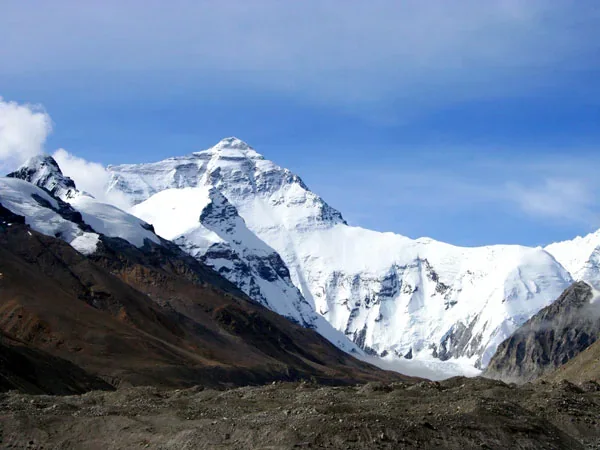
Accommodation near Tibet's Everest viewing area is limited, seasonal and much simpler than lodging in Lhasa or Shigatse. The central planning question is not which property is most luxurious, but whether sleeping close to the mountain is worth the additional altitude, cold and uncertainty.
The public visitor area on the north side is different from an expedition base camp. Ordinary visitors use designated scenic-area facilities and cannot independently enter mountaineering zones. Foreign travelers should have their itinerary, permits, guide and vehicle arranged before departure; begin with the Mount Everest travel hub for the wider planning sequence.
At roughly 4,300–5,000 metres, even a basic overnight can be physically demanding. Room availability, water, heating, toilets, electricity and food can change with season or local operations. Confirm the exact property and facilities with the operator shortly before travel rather than relying on an old hotel list.
The three practical choices are Rongbuk-area lodging, seasonal tent-style accommodation when officially operating, or a lower overnight in Tingri. Each choice trades mountain proximity against comfort and sleeping altitude.
Rongbuk lies on the approach to the north-side visitor area and offers the strongest sense of waking beneath Everest. It suits acclimatized travelers who value location over amenities. Current access, room type and operating season must be confirmed because road, weather and scenic-area arrangements can change.
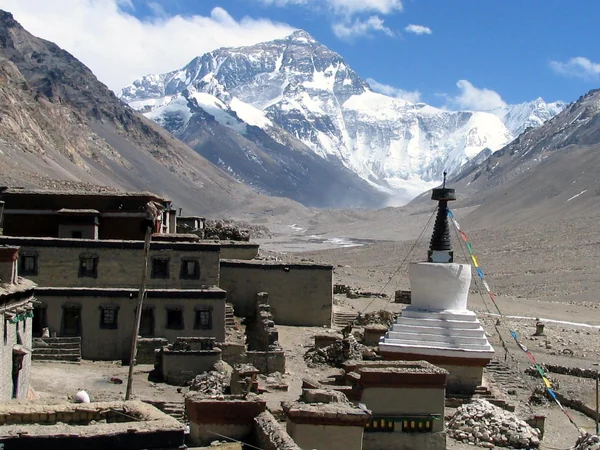
Location: Near Rongbuk Monastery on the final approach to the north-side visitor area; use the day's official drop-off and shuttle instructions rather than an old distance claim.
Sleeping altitude: Approximately 5,000 metres, high enough that acclimatization and symptom monitoring should shape the decision.
Operating period: Usually seasonal and weather-dependent; ask for written confirmation for the exact travel date.
Facilities:
Rooms and beds: Expect compact rooms, basic bedding and possible shared occupancy. Private bathrooms and guaranteed room categories should never be assumed.
Toilets may be shared and basic. Carry tissues, hand sanitiser and a small personal hygiene kit.
Water: Hot water can be limited and showers may be unavailable. Pack a refillable bottle and use water conservatively.
Heating: Heating is often local rather than central. Warm sleepwear, insulated socks and a hat remain useful indoors.
Food and supplies: Menus are short because ingredients travel a long distance. Eat lightly, bring familiar snacks and declare dietary needs before leaving Shigatse.
Electricity: Power and charging can be intermittent. Charge devices in advance and carry a power bank protected from the cold.
Phone signal: Coverage and mobile data are not reliable planning tools in a remote mountain area. Save permits, contacts and key information offline.
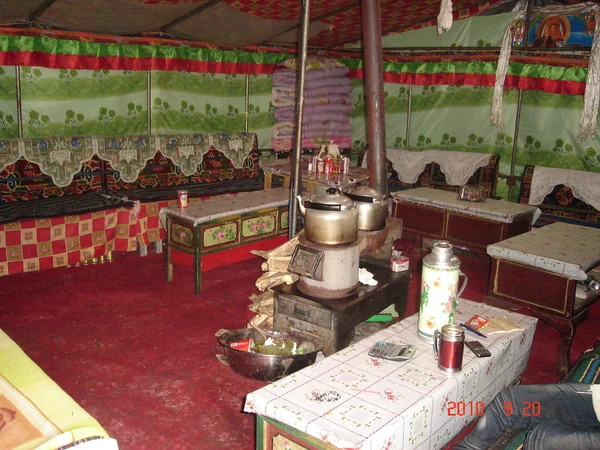
Seasonal tent-style lodging has historically operated closer to the visitor area. It can provide a memorable local setting, but it is not a conventional hotel and may be relocated, suspended or unavailable under current scenic-area rules.
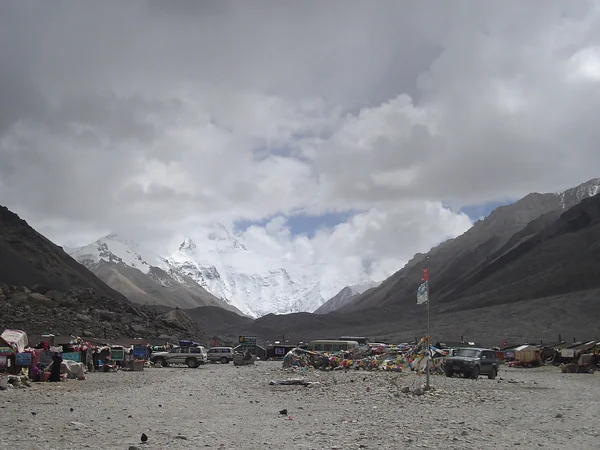
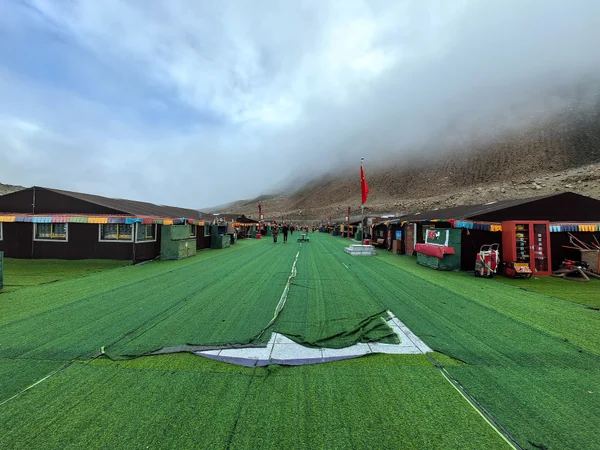
Location: Within the regulated Everest scenic area when officially authorized; the precise site can change.
Sleeping altitude: Around 5,000 metres, with the same serious altitude considerations as other near-base-camp lodging.
Availability: Seasonal and dependent on weather, road access and current environmental management.
Facilities:
Beds: Shared sleeping space and extra quilts are more typical than private hotel rooms; confirm cleanliness and occupancy expectations.
Toilets may be outdoors or shared. Running water and showers should not be expected, so bring a compact wash kit without leaving waste behind.
Water is a scarce resource. Use only the drinking water supplied or approved by the operator; do not drink untreated stream water.
Heating: A central stove may warm the common space, but temperatures can fall quickly overnight. Keep ventilation openings unobstructed.
Food and supplies: Simple noodles, rice, tea and packaged foods are more realistic than a broad menu. Carry enough snacks for delays, but pack out wrappers.
Electricity: Generator or solar power may stop overnight. Cold drains batteries quickly, so keep charged spares inside an inner pocket.
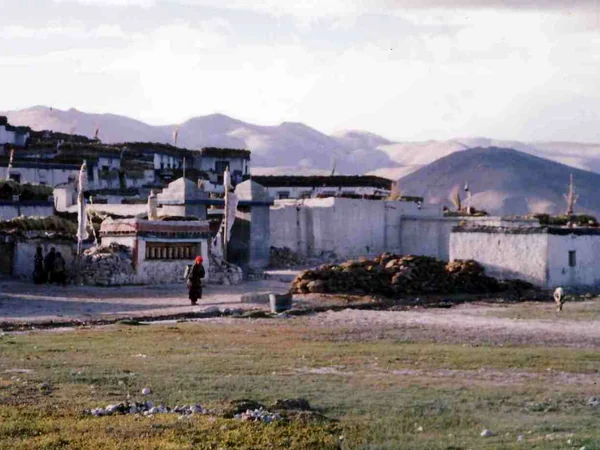
Tingri is farther from the mountain but lower than the Rongbuk area. It is often the better choice for travelers who prioritize a warmer room, easier logistics or a lower sleeping altitude. Compare the final approach in the Tibet Everest Base Camp guide.
A Tingri overnight does not eliminate altitude risk, and it creates an earlier start and more driving. Its advantage is access to a broader range of lodging and supplies before entering the most remote section of the route.
Choose a currently operating property rather than relying on a legacy hotel name. Ask whether the booked room has heating or an electric blanket, private or shared bathroom facilities, reliable power and staff support overnight.
Oxygen availability is not a substitute for acclimatization or medical advice. If symptoms worsen, the priority is to tell the guide and avoid further ascent; discuss personal risk with a qualified clinician before travel.
For most first-time visitors, the soundest sequence is to acclimatize in Lhasa, continue through Shigatse, and decide between Tingri and Rongbuk based on health, weather and confirmed lodging. A licensed operator can integrate that decision into a wider Tibet journey.
From $ 1637
From $ 3179