Your China & Yunnan Travel Experts

 Ask a Question
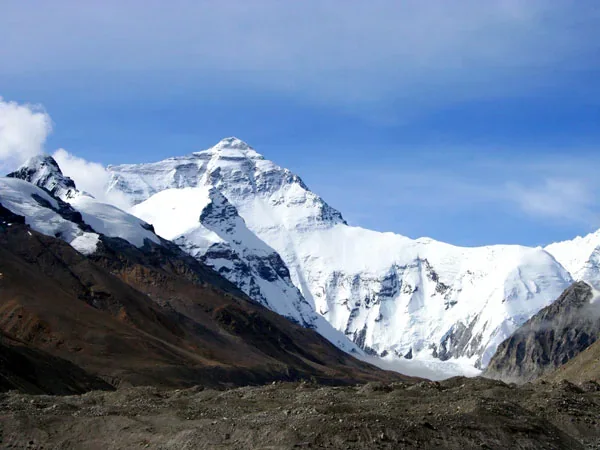
Everest Base Camp (EBC) , also called Qomolangma Base Camp , can refer to different visitor and expedition areas on the two sides of Mount Everest.
Nepal's South Base Camp is reached by a multi-day trek, while the north-side area in China's Tibet Autonomous Region is approached mainly by road through Shigatse and Tingri. Elevations and access points differ, so itineraries should state clearly which side they mean.
For ordinary travelers, the Tibet experience is a regulated scenic-area visit with views toward the north face, not entry into an expedition camp or a route toward the summit.
The north-side journey is best understood as a high-altitude road expedition: visitors acclimatize in Lhasa, travel west through central Tibet, and continue to the Rongbuk area under current permit and scenic-area rules. The Mount Everest planning hub connects the route with maps, climate and photography guidance.
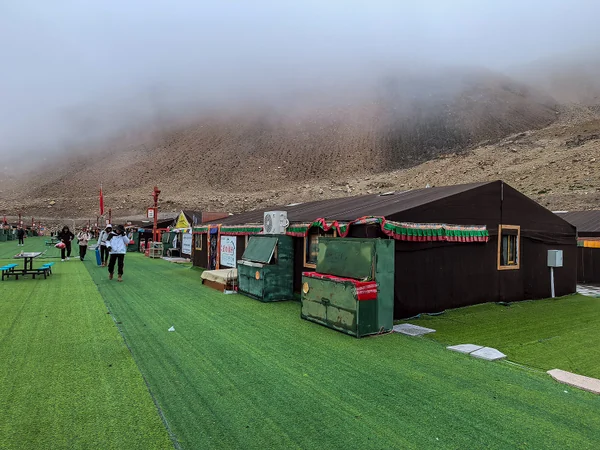
Facilities may include a visitor center, shuttle services, seasonal lodging and simple food, but availability changes. The summit itself is a mountaineering objective requiring separate approvals, expertise and expedition support.
Admission: Ticket prices are time-sensitive. Ask the licensed operator to confirm the current scenic-area admission and what it includes.
Vehicle or environmental charge: Vehicle-related charges can depend on vehicle type and current management policy; confirm whether they are included in the quoted tour price.
Scenic shuttle: A designated shuttle may operate on the final approach. Its boarding point, timetable and fee can change with the visitor-management plan.
How to interpret fee information:
1. Treat old online price lists as historical references, not quotations for a new trip.
2. Ask for an itemized price showing admission, shuttle, vehicle, accommodation and guide services.
3. Reconfirm after any weather closure or seasonal reopening, because operating arrangements may be revised.
4. Carry your passport and permit documents as instructed; identity checks can occur along the route.
5. Keep a flexible budget for meals or simple supplies, but avoid carrying large amounts of unnecessary cash.
You can look for the operating post office or postcard counter and send a card bearing an Everest-themed postmark when postal service is available.
The central experience is observing Everest in changing light. Cloud can hide the summit for hours, so an overnight near Rongbuk may create a second viewing opportunity, but it never guarantees a clear view.
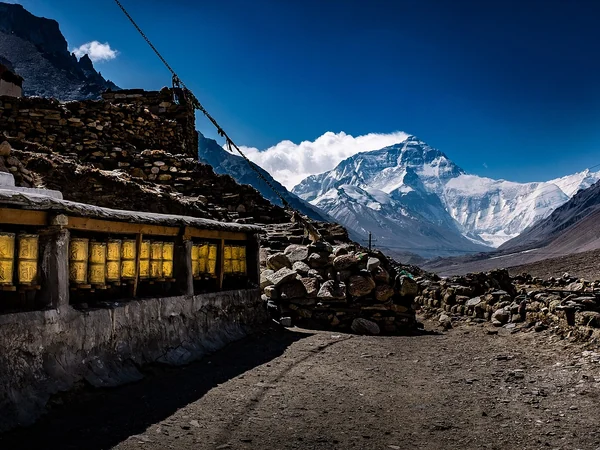
You can also photograph the Rongbuk landscape, prayer flags, monastery setting and night sky where access is permitted. Dress for wind and cold, stay on designated paths and avoid flying a drone without confirmed authorization.
You can plan a deliberate photography session around sunrise or sunset while keeping spare batteries warm and respecting quiet religious spaces. Our field-oriented Everest photography guide explains viewpoints and equipment decisions.
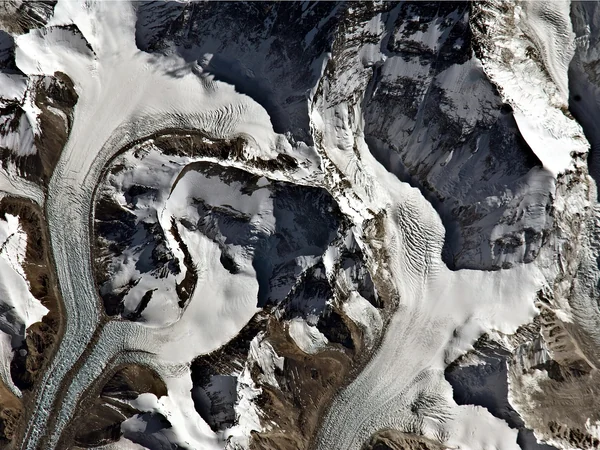
There are two principal base-camp systems—north and south—plus multiple expedition camps above them . This distinction matters because visitor access ends far below the technical climbing route.
On the north side, expeditions historically establish a sequence from base camp toward the East Rongbuk Glacier. Those sites are operational mountaineering camps, not tourist attractions.
Advanced Base Camp sits much higher than the visitor zone and requires technical expedition logistics, acclimatization and authorization.
Higher camps on the North Col and north ridge expose climbers to extreme altitude, cold, wind and objective hazards. Their numbering can vary by expedition convention.
Above the North Col, route descriptions refer to a series of high camps and well-known rock steps. Listing them is useful geographic context, but it is not safe or sufficient climbing instruction.
Summit attempts take place in the so-called death zone, where human performance and rescue capacity are severely limited. Travelers should not confuse a road visit to the public viewing area with any form of preparation for high-altitude mountaineering.
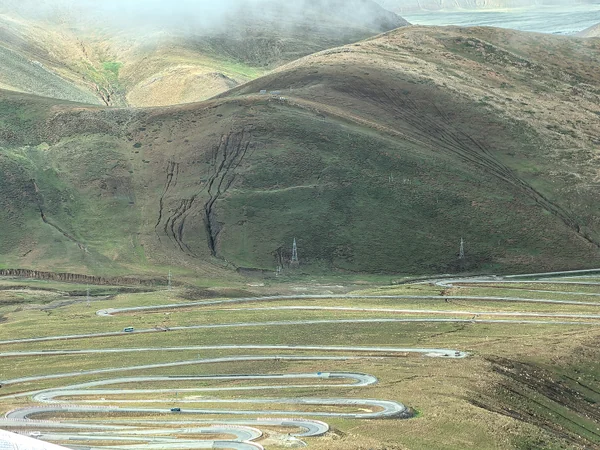
There is no airport or railway at the north-side base camp. Access is normally organized by road after entering Tibet, and foreign travelers must follow the permit and guided-tour requirements applicable to their nationality and route.
The most practical planning sequence is:
1. Enter mainland China with the appropriate travel documents.
2. Reach Lhasa by air or rail and allow time for acclimatization rather than leaving immediately for a higher sleeping altitude.
3. Travel overland to Shigatse, often with cultural stops that break up the drive.
4. Continue through Tingri under the day's road and checkpoint arrangements.
5. Use the approved vehicle and final scenic shuttle arrangement for the Rongbuk visitor area.
Build contingency time into the route because snow, ice, wind or road work can close the scenic area. Check the dedicated Everest transportation guide for route comparisons.
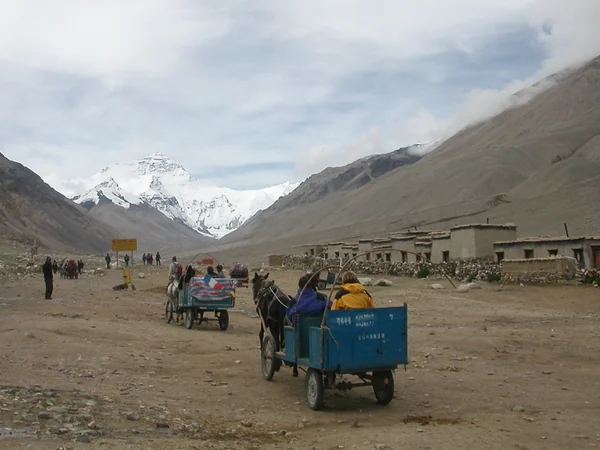
Lhasa, Gyantse, Shigatse, Tingri and the Rongbuk area.
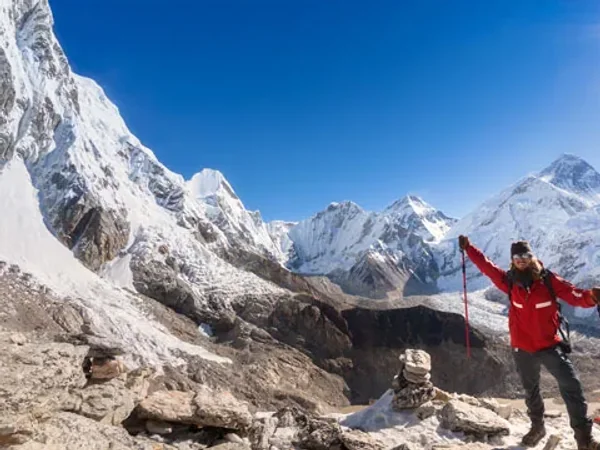
From $ 1637
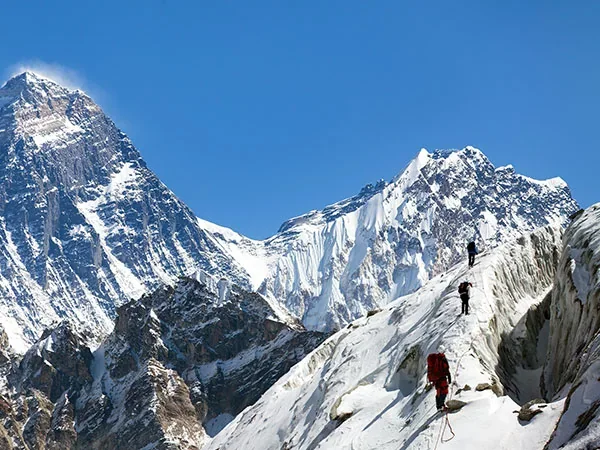
From $ 3179