Your China & Yunnan Travel Experts

 Ask a Question
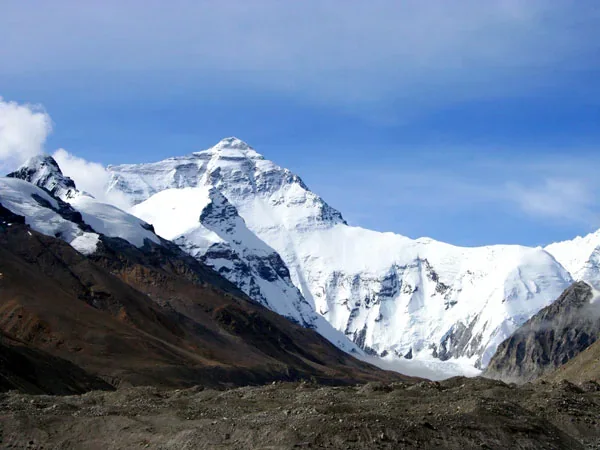
Tibet's north-side Everest visitor area is reached overland, not by a direct flight, train or ordinary city bus. The final stages cross remote, high-altitude terrain where weather, checkpoints and scenic-area controls affect timing.
Most itineraries begin in Lhasa, continue to Shigatse and then travel through Tingri toward Rongbuk. The route is visually rewarding but should not be rushed: acclimatization and realistic driving times are part of the transport plan.
Foreign travelers must arrange the documents, guide and authorized vehicle required for the confirmed Tibet and border-area itinerary. Requirements can change, so use current written advice from the licensed operator rather than an old independent-travel account. Start with the Mount Everest travel hub for the complete planning sequence.
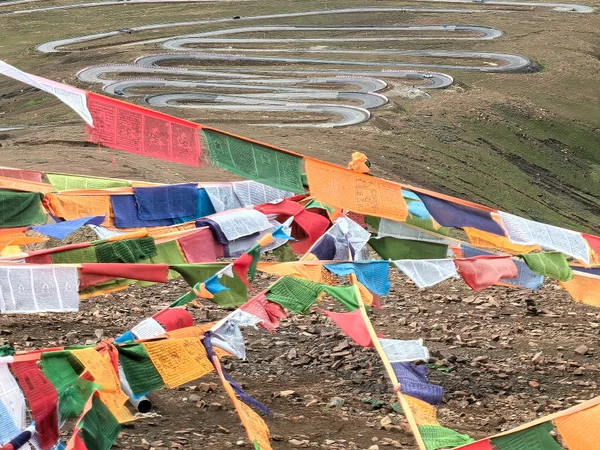
The standard north-side sequence is:
1. Enter mainland China with valid travel documents and enough lead time for the Tibet arrangements.
2. Reach Lhasa by air or rail, then sleep and acclimatize before moving to a higher overnight altitude.
3. Travel from Lhasa to Shigatse, often via Yamdrok Lake and Gyantse or by a more direct corridor according to the itinerary.
4. Continue from Shigatse through Tingri in the pre-arranged vehicle, then follow the current scenic-area shuttle or controlled-access procedure near Rongbuk.
1. Join a confirmed organized road itinerary
For most international visitors, this is the practical and compliant option. The operator coordinates permits, a suitable licensed vehicle, driver, guide, checkpoints and accommodation. Ask for daily driving estimates and the response plan if the scenic area closes.
2. Use a private vehicle within the arranged tour
A private itinerary offers more flexibility for rest and approved photo stops, but it does not remove access rules. Vehicle type should match road and weather conditions; avoid choosing solely by model name or an old per-kilometre price.
3. Use the scenic-area shuttle where required
The final visitor transfer may operate from a designated center or point near Rongbuk. Boarding arrangements and service hours are operational details that must be reconfirmed. The separate Everest Base Camp visitor guide explains what happens after arrival.
Admission: Ask for the current scenic-area ticket and the date on which the quote was checked.
Vehicle or environmental charge: Confirm whether any vehicle-based charge is included in the tour price and whether it depends on vehicle category.
Scenic shuttle: Confirm the final-transfer charge, boarding point and whether the service is operating on the travel date.
How to verify costs:
1. Request an itemized quotation rather than relying on legacy figures reproduced across travel websites.
2. Check whether permits, guide, driver, accommodation, admission, shuttle and meals are included or separate.
3. Reconfirm after seasonal reopening, heavy snow or route changes.
4. Keep the day flexible: an official closure is a safety decision, not a delay a driver can bypass.
5. Pair transport planning with the Tibet travel collection so Lhasa and Shigatse are meaningful stops rather than only transit points.
From $ 1637
From $ 3179