Your China & Yunnan Travel Experts

 Ask a Question
The best time to climb Mount Everest is not the same as the best time to visit the mountain. A summit expedition depends on a narrow combination of wind, snowfall, route preparation, team readiness and official approval; a sightseeing trip mainly depends on road access, visibility, cold and acclimatization. Start with the Mount Everest planning hub to decide which experience you actually mean.
Most commercial summit attempts are organized in spring, when teams can acclimatize before seeking a short period of lower upper-mountain wind. Autumn expeditions have occurred, but the season is less commonly used and should not be presented as an equally predictable alternative. No date eliminates avalanche, storm, cold or altitude risk.
For a Tibet north-side visitor journey, late spring and early autumn can offer a practical balance of road access and potential visibility. Summer brings greater monsoon influence, while winter is colder, windier and more vulnerable to temporary restrictions. These are broad patterns rather than promises for a particular departure.
Separate climate tendency from an operational forecast. Expedition teams need professional forecasts and decisions from their leaders; ordinary visitors should confirm the scenic area, road, lodging and transport shortly before travel.
Travel Mount Everest in Spring
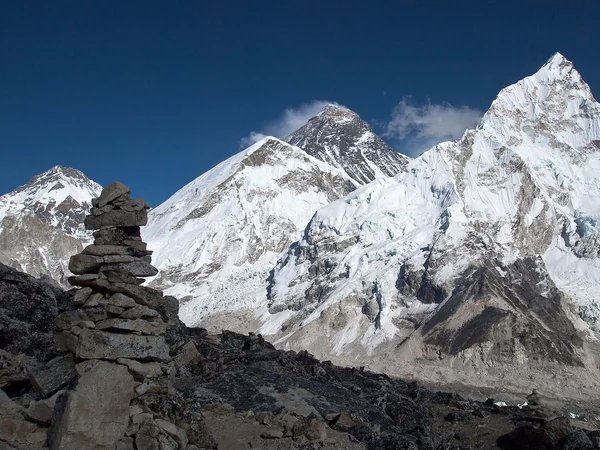
April and May often combine improving road conditions with useful mountain visibility on the Tibetan side. Spring is also the main expedition period, so the wider region may be busier and some areas remain restricted to climbing teams. Compare the underlying wind and precipitation pattern in the Everest climate guide.
Travel Mount Everest in Summer
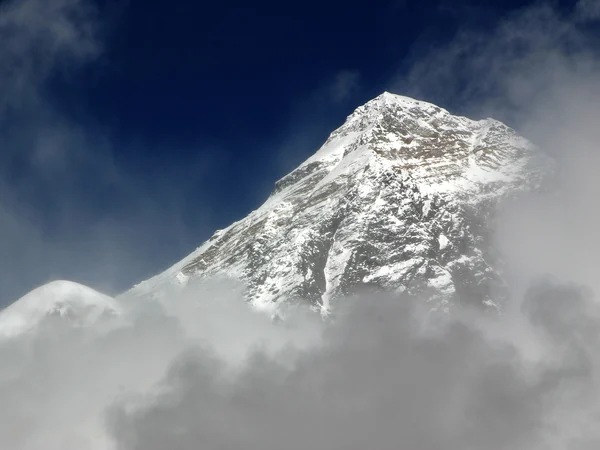
From roughly June into September, monsoon circulation generally increases cloud and precipitation across the Himalaya. The Tibetan north side is drier than the Khumbu side, but summit views can still disappear quickly and road disruption remains possible.
Summer is not automatically a failed visitor season: plateau landscapes can be greener and breaks in cloud do occur. It is, however, a poor choice for anyone whose only acceptable outcome is a guaranteed unobstructed summit photograph.
Travel Mount Everest in Autumn
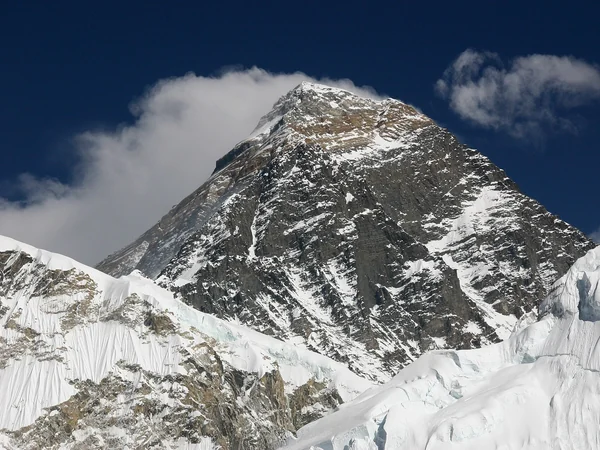
Late September and October often bring clearer air after the strongest monsoon influence. Nights become colder, daylight shortens and Chinese public-holiday periods can increase demand. Confirm accommodation instead of assuming that quieter weather means lower prices or unlimited rooms.
Travel Mount Everest in Winter
Winter is generally dry but can be severely cold and windy. Snow, ice, road controls and seasonal service changes may affect access, and an overnight near Rongbuk demands more preparation than a daytime viewpoint stop.
Clear winter air can produce excellent long-distance views, yet wind chill and short daylight reduce the time available outdoors. A sunny forecast at Tingri does not describe conditions at the higher visitor area.
Travelers considering winter should keep schedule flexibility, verify that lodging and scenic-area transport are operating, and avoid shortening acclimatization merely because visitor numbers appear lower.
September to January is better described as a transition from post-monsoon autumn into cold, dry winter. Rainfall tendency decreases, but snow, wind and temporary closures remain possible. On the Tibet side, ordinary visitors normally follow regulated road and shuttle arrangements rather than an independent base-camp trek.
January and February should not be promoted as a fast route. Cold and wind can slow travel, and altitude acclimatization cannot be safely compressed to save time. Treat winter as a specialist seasonal choice with confirmed access and contingency days.
Summit temperature remains below freezing year-round, while Tingri, Rongbuk and the public visitor area each have different conditions. Wind chill can make exposure far more severe than the air temperature suggests.
A forecast for the summit is not a packing forecast for base camp, and a Lhasa forecast does not represent Rongbuk. Check the exact elevation and location used by the forecast provider.
Day–night temperature swings are large on the Tibetan Plateau. Layered insulation, sun protection and windproof outerwear are useful even when the daytime road journey feels warm.
|
Broad Everest weather periods for planning; boundaries vary by year and are not a summit forecast
|
||
|
Summer monsoon
|
Cloudier and wetter; summit visibility variable
|
June to September
|
|
Early-autumn transition
|
Often clearer, with colder nights developing
|
Late September to October
|
|
Late autumn
|
Drier, colder and frequently windy
|
Late October to November
|
|
Winter
|
Very cold, dry and exposed; access can change
|
December to February
|
|
Spring transition
|
Cold and changeable as expedition operations begin
|
March to April
|
|
Pre-monsoon climbing window
|
Potentially lower winds for short periods, never guaranteed
|
Mainly May; follow current professional forecasts and the Everest route guide
|
From $ 1637
From $ 3179