Your China & Yunnan Travel Experts

 Ask a Question
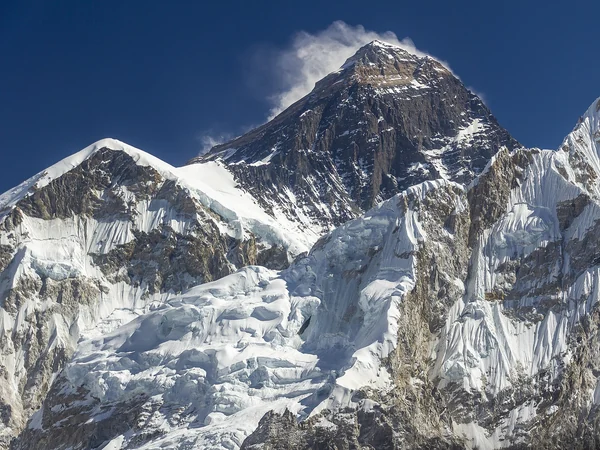
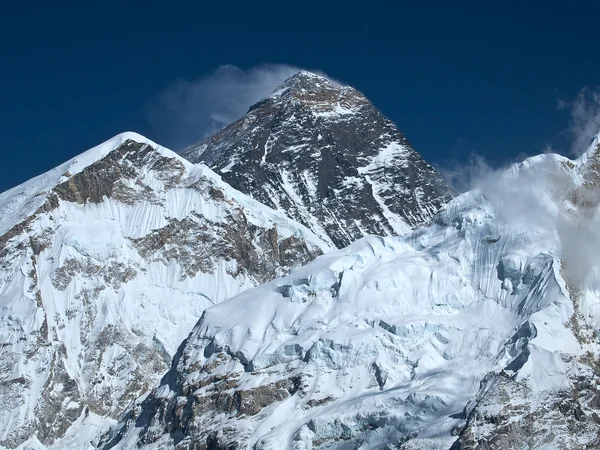
Mount Everest is Earth's highest summit above mean sea level, with a jointly announced China–Nepal snow-height measurement of 8,848.86 metres. It rises on the international boundary between the Tibet Autonomous Region of China and Nepal's Khumbu region. Those two facts are a starting point, not the whole mountain: names, measurements, geology, protected areas, climate and climbing history each need their own context. Use the cards below as a topic hub rather than relying on a single list of trivia. The Everest height guide explains why older sources show different numbers, while the location guide distinguishes the north and south approaches. Everest is also called Qomolangma in Tibetan usage and Sagarmatha in Nepal; those names reflect living geographic and cultural contexts rather than decorative aliases.
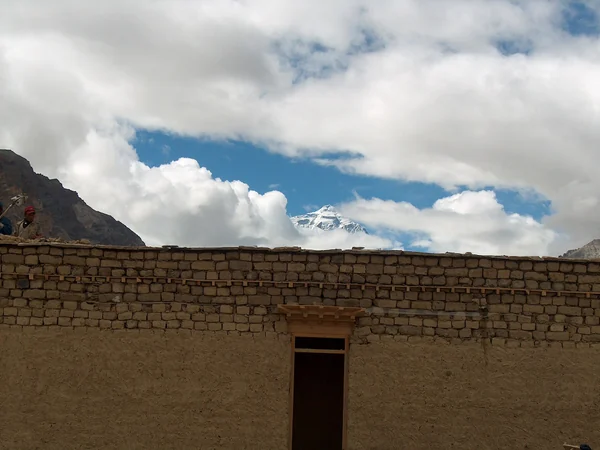
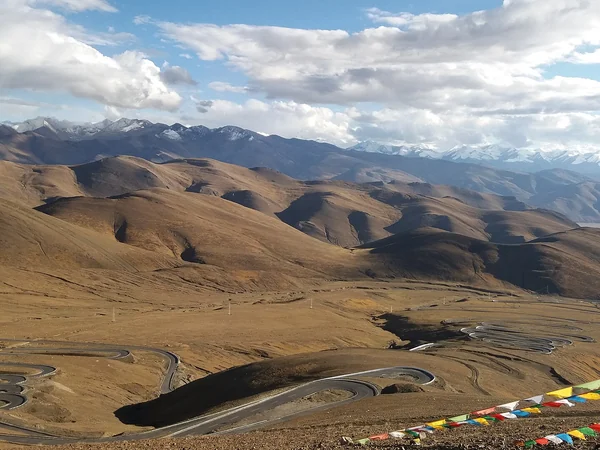
Some Everest facts are stable—its position in the Himalayas and its status as the highest summit above sea level. Others are time-sensitive or definition-sensitive. A “current record” can change; climbing totals depend on database updates; weather never follows a permanent calendar; and a summit elevation differs according to snow or rock surface and vertical reference. A responsible reader checks the date and category, then follows the specialist page. Travelers should also separate public Tibet-side viewing access from expedition zones and from Nepal-side trekking. For route orientation, use the Everest map guide; for trip decisions, confirm current access with an authorized operator instead of treating historical facts as permissions. A clear view from Pang La, a night near Rongbuk and a technical summit expedition are three very different experiences, even though all may appear under “Everest travel” in search results. The cards below keep those questions separate so readers can move from a concise answer to the right planning depth. Check policy, road and scenic-area information close to departure because an accurate historical article cannot guarantee present-day entry. Weather and altitude also deserve independent decisions: a sunny photograph says nothing about a particular traveler's acclimatization or the next day's wind.