Your China & Yunnan Travel Experts

 Ask a Question
Mount Everest is not a first high-altitude objective. Preparation begins with years of progressive mountain experience, not a short fitness challenge. A serious candidate needs technical competence, a history of functioning on high peaks, an independent medical assessment and an authorized expedition described in the Everest planning hub.
The framework below separates physical conditioning from technical experience, altitude response and decision-making. A guide or operator should assess the individual rather than treating completion of a generic plan as proof of readiness.
Build durable aerobic capacity and mountain-specific strength through progressive training that allows recovery. Long uphill days, controlled descents and back-to-back efforts matter more than a single fast run. Training load should be individualized with professional support when injury or health risk is present.
Everest readiness also requires verified technical and expedition experience : efficient crampon movement on ice and mixed terrain; fixed-rope ascent and descent; transitions while gloved; crevasse-rescue participation; cold-camp routines; oxygen-system competence; and safe movement while tired. These skills must be practiced before the expedition and matched to the Everest equipment framework.
Previous high-altitude expeditions reveal how the climber eats, sleeps, recovers, follows instructions and makes decisions under hypoxia. Summit certificates alone do not show the quality of those decisions.
A sensible program starts from current capacity, medical history and the expedition's route demands. It should include training phases, easier weeks, recovery and an injury contingency rather than continuous overload.
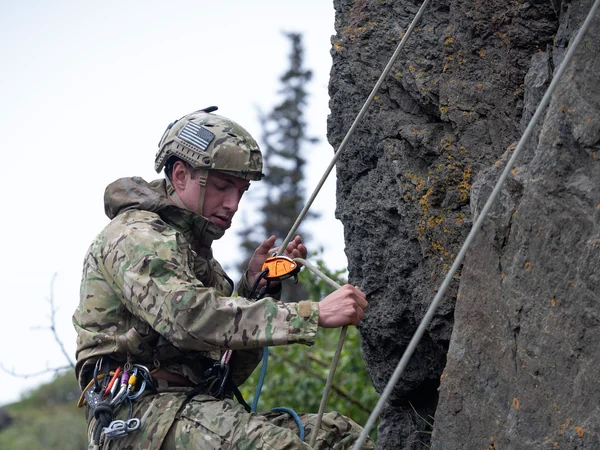
Mountain days: Use progressively longer uphill walks or climbs on varied terrain while carrying only loads appropriate to the planned role. Practice pacing that can be sustained for hours without repeated exhaustion.
Lowland fitness cannot reproduce hypoxia. It can improve work capacity, but altitude exposure and the staged approach in the Everest acclimatization guide remain separate requirements.
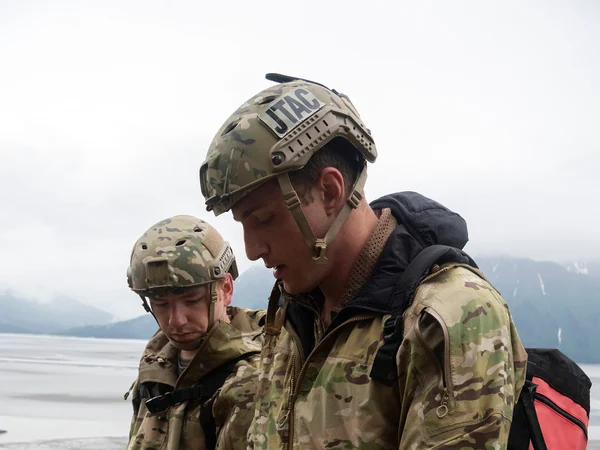
Aerobic conditioning: Running, cycling, uphill walking, stair work or ski touring can build endurance. Choose modes that can be repeated consistently without creating avoidable joint or tendon injury.
Avoid copying a famous climber's daily mileage. Training age, terrain, body size, injury history and expedition role differ, so a universal number can be harmful.
Strength and stability:
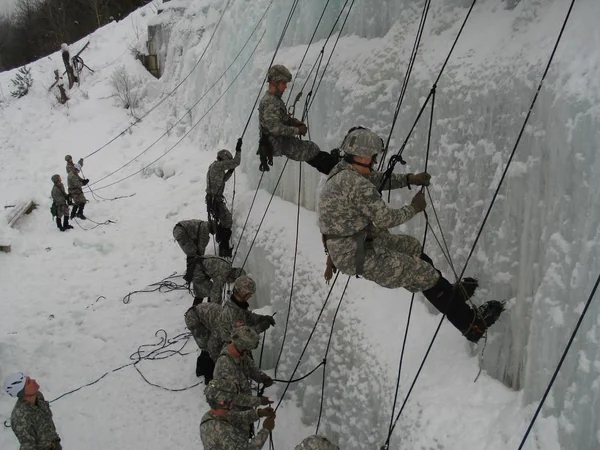
Train legs, hips, trunk, pulling strength and balance for climbing, carrying and descending. Technique and movement quality matter more than a maximal gym number. Loaded training:
Increase pack load gradually and match the likely personal load confirmed by the operator. Extremely heavy treadmill sessions can cause injury without accurately simulating Everest. Nutrition:
Do not self-prescribe supplements to compensate for an assumed expedition diet. Address deficiencies with qualified medical or nutrition advice and test all foods before departure. Body composition:
Deliberately gaining large amounts of weight is not a safety strategy. Aim for stable health, adequate energy availability and a nutrition plan that supports training and recovery.
Many climbers prepare over multiple seasons, using intermediate objectives to test systems and judgment. A fixed six- or twelve-month promise cannot replace that progression.
Increase volume cautiously, monitor persistent fatigue and pain, and keep enough recovery to absorb training. The final phase should reduce fatigue rather than chase last-minute fitness. Arrive healthy: unresolved illness, injury or severe sleep deficit should be discussed honestly with the team.
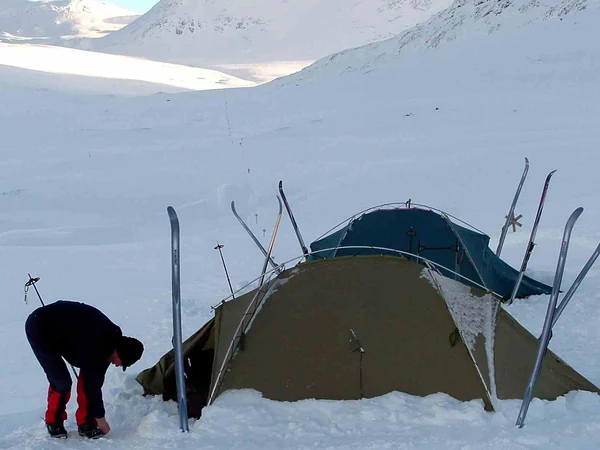
Mental strength means following a conservative plan when ambition is strongest, not ignoring symptoms or fear. Decision discipline can be rehearsed through turnaround times, buddy checks, radio language and predefined responses to oxygen, weather or pace problems.
First, use demanding but controlled training trips to learn how you respond to cold, waiting, poor sleep and uncertainty. Self-sufficiency must remain within the team system.
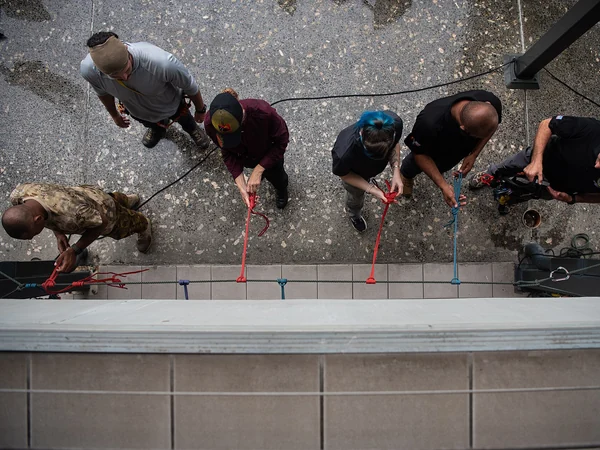
Second, practice technical routines until they require fewer decisions under stress. Gloves, darkness and fatigue should be included safely in supervised training.
Third, prepare for long periods of inactivity and schedule change. Weather delays are part of an expedition, and frustration is not a reason to accept a worse summit window.
Fourth, accept that cognition declines at extreme altitude. Written checks, teammate confirmation and conservative triggers are more reliable than confidence alone.
Finally, rehearse turning around. A safe descent is the objective; summit visualization should never be the only mental script.
From $ 1637
From $ 3179