Your China & Yunnan Travel Experts

 Ask a Question
The Belt and Road Initiative (BRI) , formerly often called One Belt, One Road (OBOR) , is a contemporary cooperation framework proposed by China in 2013. Its two names—the Silk Road Economic Belt and the 21st-Century Maritime Silk Road—use historical geography as inspiration, but the initiative is not a revival of one ancient road. It covers policy coordination, transport and energy infrastructure, trade, finance and people-to-people exchange through projects agreed by participating parties. Scope and cooperation documents change over time, so a fixed list of “member countries” should not be treated as permanent.
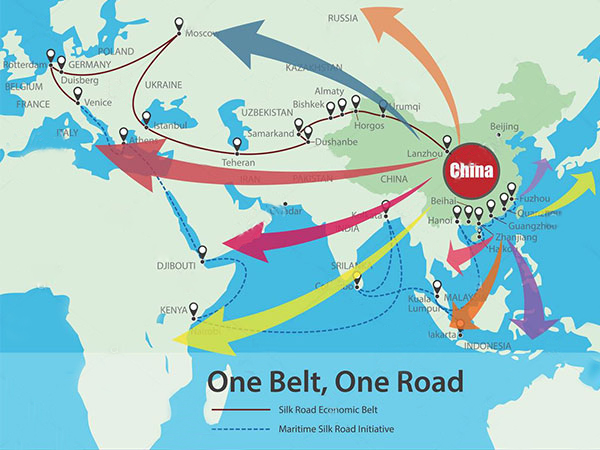
The overland component connects a range of Eurasian corridors rather than one prescribed railway. Routes may cross Central Asia, Russia, West Asia or Southeast Asia, depending on the origin, destination and project. Compare that modern geography with the ancient Silk Road routes in China; the overlap is partial, not exact. Rail freight can reduce transit time for some inland cargo compared with sea transport, but it normally carries less volume and costs more. Sea, rail, road and air therefore serve different goods instead of replacing one another. Border gauges, customs procedures and transfers remain important to the real journey. Energy pipelines, industrial parks and road links are also discussed under the BRI. Each project has its own financing, ownership, environmental assessment and operating record. A route map alone cannot show whether an individual project is complete, commercially viable or open to passengers.
The initiative is not restricted to countries located on the ancient Silk Roads. Participation can take different forms, and cooperation statements are not the same as membership in a treaty organization. Travelers should avoid using an old “country count” as if it were a permanent legal roster.
For historical context, the ancient and modern Silk Road comparison explains why caravans, container trains and pipelines should be analyzed in separate periods.
Modern corridors can improve access to markets and services, yet benefits depend on demand, maintenance, border efficiency and local connections. Infrastructure that shortens a map distance does not automatically reduce every traveler's or exporter's cost.
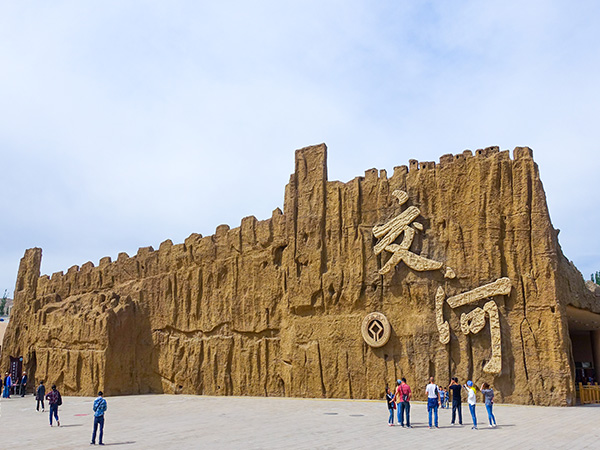
The most useful distinction is evidence: date ancient sites through archaeology and records, and assess modern projects through current operator, government and lender information.
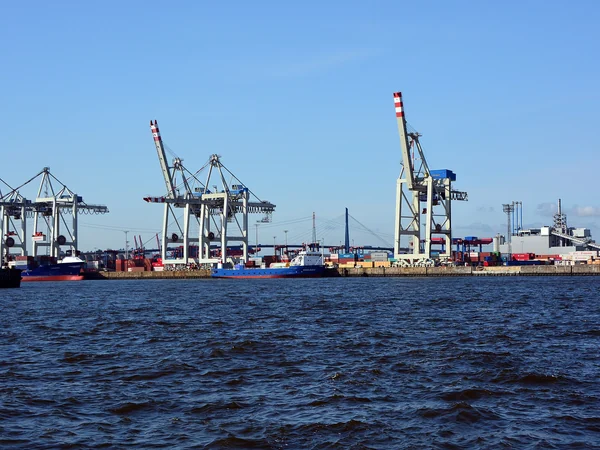
The Maritime Silk Road refers to modern cooperation around ports, shipping, logistics and connected infrastructure. Despite the word “road,” it is primarily a network of sea lanes and coastal nodes. Historical maritime exchange linked Chinese ports with Southeast Asia, South Asia, the Gulf and beyond in different periods. Modern container shipping uses entirely different vessels, institutions and volumes, so continuity should be described as a comparison rather than an unbroken operating route. Ports compete and cooperate within global shipping systems. A BRI label does not explain a port's capacity, debt, environmental effects or share of local employment; those questions require current project-level evidence.
Travelers may encounter BRI interpretation in museums, exhibitions or transport hubs. Treat promotional displays as one source and compare dates, ownership and operating status before drawing conclusions.
Maritime and overland corridors are complementary. Their relative value varies by cargo, distance, border procedures, sailing schedules and the quality of onward connections.
Official policy documents describe several kinds of connectivity rather than a single construction plan. Policy coordination concerns agreements, standards and communication between governments. Facilities connectivity includes railways, roads, ports, power systems and digital infrastructure.
Unimpeded trade focuses on customs, logistics and market access, although actual rules differ by country and product. Financial integration covers lending, investment and risk sharing through multiple public and commercial institutions. People-to-people exchange includes education, culture, tourism and professional cooperation.
These categories are objectives, not proof that every announced project has been delivered. Project status can move from proposal to financing, construction, operation, restructuring or cancellation. Publication dates matter. A responsible assessment asks who owns the asset, who borrowed, what demand was forecast and how environmental and social impacts are managed.
Transparency and procurement standards influence cost and public confidence. Debt sustainability must be evaluated with the borrower's wider finances, not inferred from one headline. Environmental review matters especially for ports, roads, dams and corridors through sensitive habitats.
Local employment, land use and community consultation can affect whether benefits are broadly shared. The BRI has also evolved in its stated emphasis, including greater attention to green, clean and sustainable cooperation. Because policy language and project portfolios continue to change, this page avoids a permanent ranking of countries or investments.
Completed infrastructure is more informative than an undated proposal, but each example still requires context.
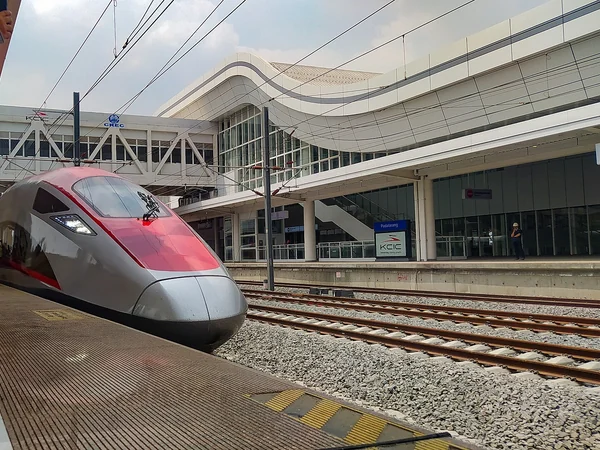
The Mombasa–Nairobi Standard Gauge Railway in Kenya began passenger service in 2017. It illustrates how a new intercity link can change travel time while raising separate questions about freight demand, operating cost and onward connections. Indonesia's Jakarta–Bandung high-speed railway, branded Whoosh, opened to passengers in 2023. It is a useful example of technology transfer and urban connectivity, but station access and integration with local transport remain part of the traveler's real experience.
The China–Laos Railway opened in 2021 and later supported cross-border passenger services. Its role combines domestic access, freight and regional tourism; current timetables and entry requirements must be checked separately. China–Europe freight trains connect many origin and destination pairs. They are a logistics service family, not one train running the full ancient Silk Road.
Projects associated with the China–Pakistan Economic Corridor include transport and energy infrastructure. Their schedules, security arrangements and financing differ, so a single completion date would be misleading. Port and industrial projects in South Asia, the Middle East and Africa likewise vary in ownership and operation. An announced investment should not be described as a finished route.
Iran has long occupied an important Eurasian position, but modern rail and road links should be identified by their current operating segment rather than by a broad historical label. Bangladesh participates in regional infrastructure cooperation through several project types; each should be checked against current official or lender records.
The same caution applies to maps that join planned, under-construction and operating lines without a legend. For travelers, passenger availability is a separate question from freight operation. A corridor shown on a policy map may not sell through tickets.
For businesses, border processing and last-mile logistics can matter as much as main-line speed. For communities, land, resettlement, environmental protection and access to new services are central measures of impact.
For governments, long-term maintenance and repayment conditions shape sustainability after construction. These examples show why the BRI is best understood project by project rather than as one completed transcontinental route.
A historical Silk Road tour remains a different product, centered on heritage, landscape and cultural exchange. The 14-day Silk Road tour follows that heritage logic across China without claiming to survey the modern initiative.
Identify whether a source describes a proposal, signed agreement, construction milestone or operating service.
Look for a named operator, current timetable or audited project record rather than relying on a route illustration.
When figures conflict, compare the publication dates and the part of the project being measured.
Ancient caravans depended on oasis water, animals and relay trade; modern corridors depend on engineered infrastructure, customs systems and financing.
Shared place names can enrich a journey, but they do not make the institutions equivalent.
Connectivity can support trade and mobility, while debt, procurement, environmental and social risks require transparent management.
Freight lines, pipelines and ports are not automatically visitor attractions. Confirm lawful public access and current passenger services.
Policies, participants and operating conditions can change. Recheck official operators and relevant authorities near the date of travel.
Build a Silk Road itinerary around historical evidence and realistic distances, then add modern infrastructure context only where it genuinely helps interpretation.
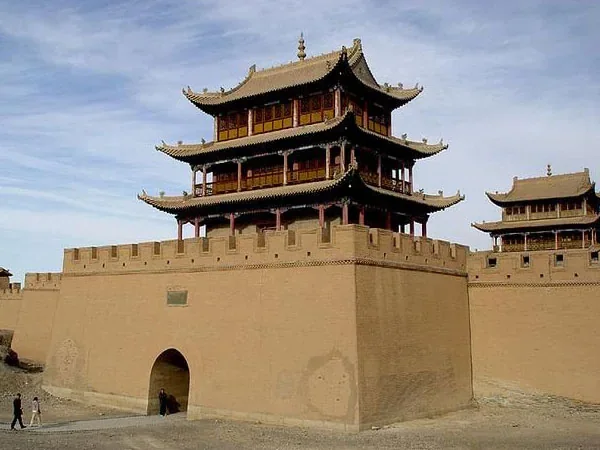
From $ 3510
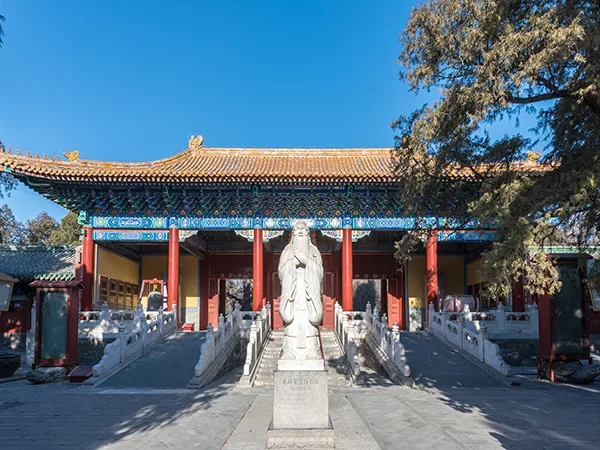
From $ 3061

From $ 3683