Your China & Yunnan Travel Experts

 Ask a Question
A Silk Road tour in China covers long distances across Xian, Gansu and Xinjiang. The first planning decision is not how many sights fit on a map, but how much time can be spent between them without turning the journey into continuous transfers. Use the Silk Road travel tips to compare seasons and transport, then choose a limited number of anchor cities.
Climate is not uniform. Xian may be humid while Dunhuang and Turpan are dry, and mountain excursions can be much cooler than nearby basins. Check city-level forecasts near departure.
Sun, wind and dehydration deserve practical attention. Carry water, use sun protection and pace outdoor visits; obtain medical advice for personal conditions rather than relying on generic travel claims.
Distances require buffer time. A station or airport may be far from the old city, caves or desert viewpoint, and delays can affect timed reservations.
Reserve high-demand attractions through their current official or authorized channels. Cave access, photography rules and the number of open areas can change for conservation.
Pack layers, walking shoes, travel documents and regular medication. The Silk Road packing guide provides a decision-based checklist.
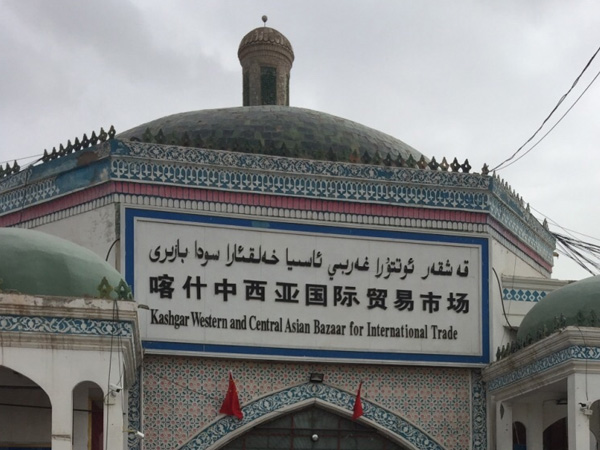
Rail and aviation restrictions cover some knives, tools, sprays, batteries and liquids. Confirm the latest official operator rules before packing; do not rely on an old article's fixed list.
Enter passport names exactly in reservations and keep the document available for hotels, tickets and transport checks.
Use more than one payment method. Mobile payment is common, but setup and acceptance vary; a bank card and modest cash backup reduce dependency on one system.
Download essential addresses and translations for offline use. Connectivity may weaken on desert roads and in mountain areas.
Respect active religious spaces and local communities: ask before portraits, observe dress and photography notices, and keep private worship out of staged images.
Protect archaeology by staying on paths and never climbing earthen walls or removing fragments. A small object on the ground still belongs to the site.
For overnight rail logistics, review the Silk Road train guide and distinguish station time from actual arrival at the attraction.
A strong itinerary alternates transport, interpretation and rest. It leaves room for a museum before a ruin, a slower market visit and a weather-related change without losing the journey's central theme or essential connections.
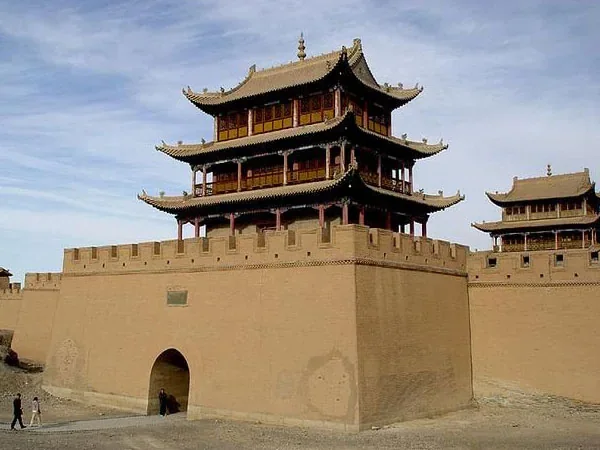
From $ 3510
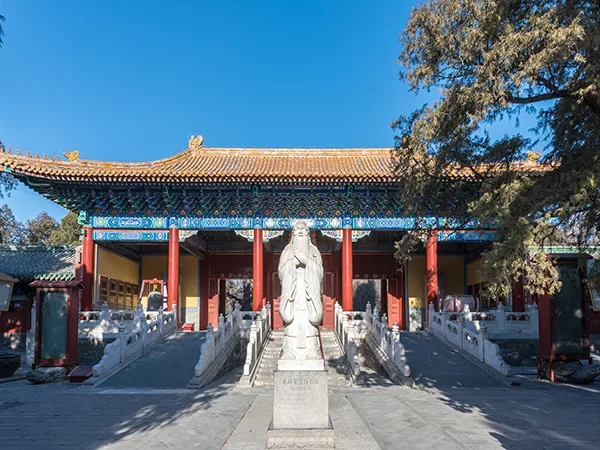
From $ 3061

From $ 3683