Your China & Yunnan Travel Experts

 Ask a Question
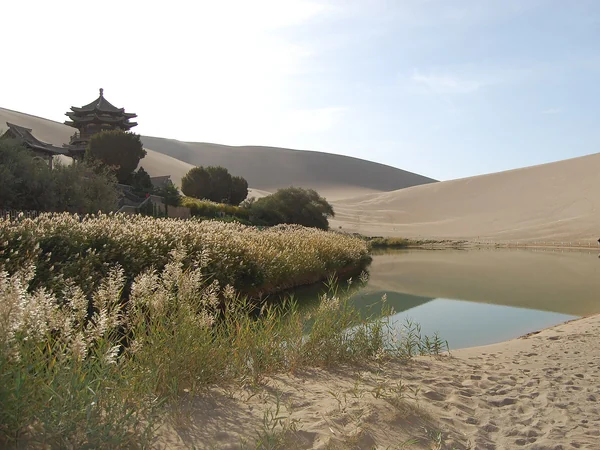
Silk Road travel in China links cities and landscapes across Shaanxi, Gansu, Qinghai and Xinjiang. The distance is the defining planning constraint: a route that looks simple on a map can include long station transfers, desert road days and very different climates. Begin with the Silk Road route guide and compare stops through the destination guide. Decide what the trip should reveal before adding places. Xian works for imperial and archaeological context; Zhangye and Jiayuguan explain the Hexi Corridor; Dunhuang brings together Buddhist art and oasis geography; Turpan, Urumqi and Kashgar introduce very different parts of Xinjiang. Each additional base must justify another hotel change and transfer. Count nights only after marking full sightseeing days, and avoid calling an arrival evening or early departure a usable day.
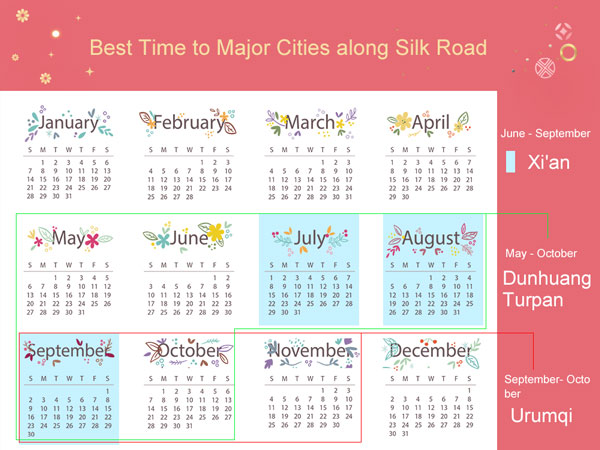
Use the topics below as a decision sequence rather than a general checklist. Confirm the route first, then season, transport, packing and hotels. For national rail context, consult the China transportation guide; schedules, ticket rules and attraction access can change, so verify time-sensitive details through current official sources. Keep passport details identical across bookings, save Chinese hotel and station names offline, and distinguish high-speed stations from older central stations. Compare the complete door-to-door journey before choosing rail or air. In dry regions, build drinking water, sun protection and rest into the day rather than treating them as optional packing notes. Travelers continuing toward mountains or border areas should verify current access separately because a normal city itinerary does not confirm regional requirements.