Princess Wencheng was a Tang royal kinswoman who married Songtsen Gampo, ruler of the Tibetan Empire, in 641. Her birth name, parents, appearance and personal feelings are not securely documented in surviving contemporary records.
Historical evidence supports the diplomatic marriage and her later importance, while many familiar journey scenes and miracle stories come from later Tibetan and Chinese traditions. This guide keeps those layers visible instead of presenting legend as biography. Reviewed August 29, 2026. Start with the
early history of Tibet for the political setting.
What the Historical Record Establishes
Tang histories identify her as a member of the imperial clan granted the title Princess Wencheng, but they do not reliably name her father or a Shandong birthplace. Claims that she was definitely Li Daozong's daughter are later reconstructions and should be labeled as such. In 640 the Tang court approved the alliance; she traveled west and married Songtsen Gampo in 641.
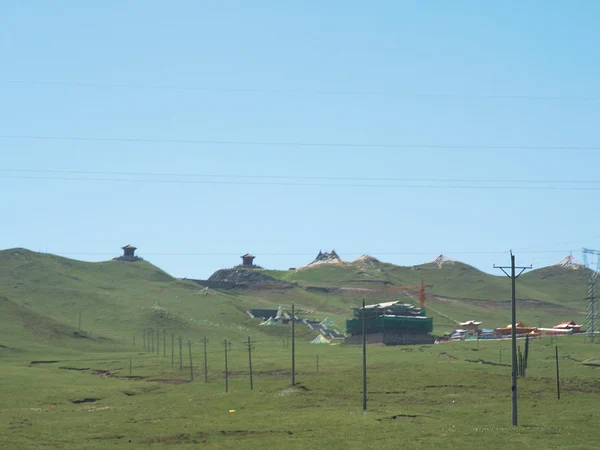
The route is remembered through places in today's Shaanxi, Gansu, Qinghai and Tibet, including strong traditions around Yushu. The broad westward journey is credible, but exact stops, conversations and emotions in modern retellings cannot be recovered as eyewitness facts.
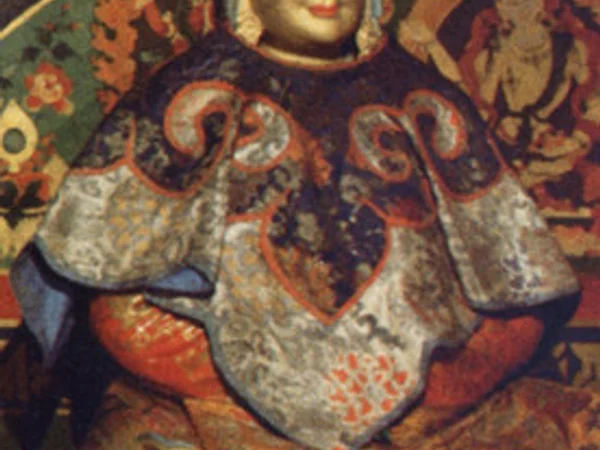
Later Tibetan religious histories, murals, statues, opera and oral narratives transformed Wencheng into a sacred and cultural figure. Some traditions associate her with Tara, geomantic knowledge and temple foundations. These accounts reveal how communities remembered her even where they do not function as contemporary documentation.
Why the Tang–Tibetan Marriage Happened
Marriage alliances were instruments of diplomacy in Inner and East Asia. Songtsen Gampo's expanding state and the Tang empire negotiated amid both conflict and exchange; the marriage followed military confrontation near Songzhou and subsequent diplomacy. Calling Wencheng a modern “ambassador” may be evocative, but it imposes a later office on a seventh-century royal alliance.
The marriage did not erase later rivalry. Tang and Tibetan forces, envoys and border communities continued through alternating periods of warfare, treaty and trade. Its importance lies in creating a durable kinship symbol within a much longer relationship, not in guaranteeing two centuries of uninterrupted peace.
No surviving source records Wencheng freely choosing or refusing the match. Responsible history therefore avoids invented dialogue about curiosity, love or sacrifice and focuses on what the institutions and dated texts can support. Read the separate
Songtsen Gampo profile without treating either spouse as merely an accessory to the other.
PALACE HISTORY AND MEMORY
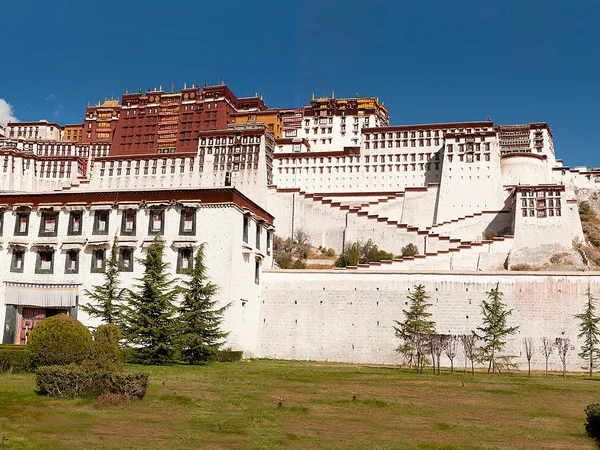
Songtsen Gampo is associated with an earlier palace on Marpo Ri, but the monumental Potala visible today was principally built under the Fifth Dalai Lama from the seventeenth century onward. It is inaccurate to say the present thousand-room complex was constructed for Wencheng. The site can still help visitors understand how later governments and religious institutions reused a royal landscape.
What Can Be Said About Cultural Exchange
Evidence point one: The marriage connected two courts already engaged through envoys, trade and conflict. People, gifts, texts and skills could move through that relationship, but one princess did not single-handedly introduce every technology used in Tibet.
Evidence point two: Later sources credit Wencheng's entourage with artisans, medical or calendrical knowledge, textiles and seeds. These traditions should be presented as later attributions unless a specific item can be tied to a dated record. Cultural change was cumulative and involved Tibetan, Chinese, Nepalese, Central Asian and other participants.
Evidence point three: Buddhism was known through several networks and received changing levels of royal patronage. Wencheng's devotion is part of later memory, but saying she “brought Buddhism to Tibet” removes Indian, Nepalese and Tibetan agency.
Evidence point four: The Jokhang and Ramoche are traditionally linked with Wencheng, the Nepalese princess Bhrikuti and Songtsen Gampo's court. Building histories and image traditions are complex, so visitors should distinguish foundation legends from later reconstruction. See the
Jokhang Temple guide for respectful access and photography rules.
Evidence point five: Wencheng's most demonstrable legacy is the persistence of her image across chronicles, temple art, opera and public memory. Comparing those representations—rather than forcing them into one literal biography—shows how history, diplomacy and devotion continue to shape the way her story is told.

 Ask a Question