Your China & Yunnan Travel Experts

 Ask a Question
Reviewed August 27, 2026. The best souvenirs from China are items whose maker, material and regional story can be explained—not objects chosen only because they look “Chinese.” This guide compares ten practical categories by quality, price risk, packing and customs questions. Keep an itemized receipt, ask what the product is made from, and recheck the destination country's rules before buying plant, animal, food or antique-looking goods. Our Chinese handicraft guide provides background for judging workshop claims without treating every market item as handmade.
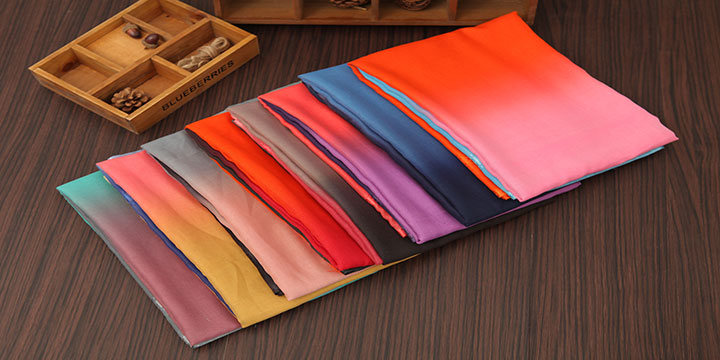
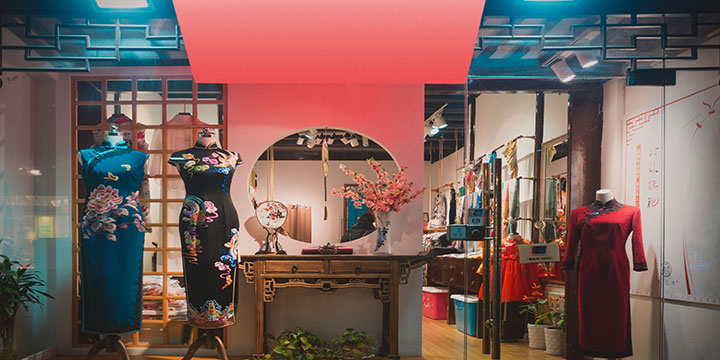
Suzhou and Hangzhou have long silk traditions, but a city name does not prove fiber content or origin. Compare weave, seams, lining and care instructions, then ask for the fiber composition in writing. A reputable seller should distinguish pure silk from blends and explain whether a qipao is ready-made or individually fitted. The China silk guide helps place the material and production history in context.
For an easy-to-pack gift, a scarf, tie or small pouch carries less sizing risk than a dress. Tailoring needs enough time for measurement, a fitting and correction; do not schedule collection just before an international departure. Fold silk around acid-free tissue or clean clothing, keep liquids separate and retain the receipt if value or material may be questioned at customs.
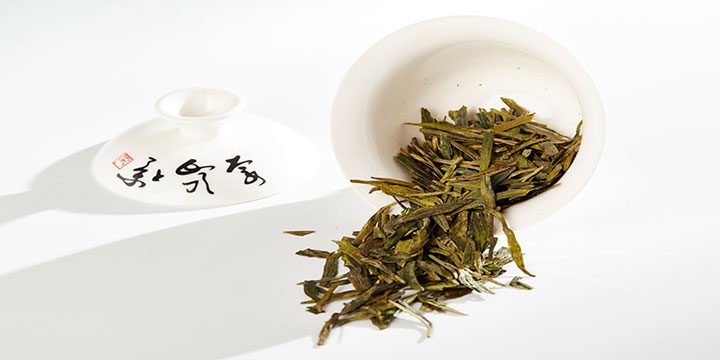
Tea is a useful souvenir when the recipient actually drinks it. Ask to taste the same batch being sold and note the tea type, harvest or production date, origin, net weight and storage instructions. Longjing, pu'er and white tea are broad categories rather than automatic quality grades, and an expensive story is not laboratory proof of age, cultivar or mountain origin.
Choose sealed, clearly labeled retail packaging for international travel and check the agricultural-import rules of the country where the tea will enter. Avoid tea mixed with fresh fruit, untreated seeds or other plant material unless the destination authority explicitly permits it. A small gaiwan or cup can accompany tea; the Chinese ceramics guide explains forms and kiln traditions before you shop for a set.
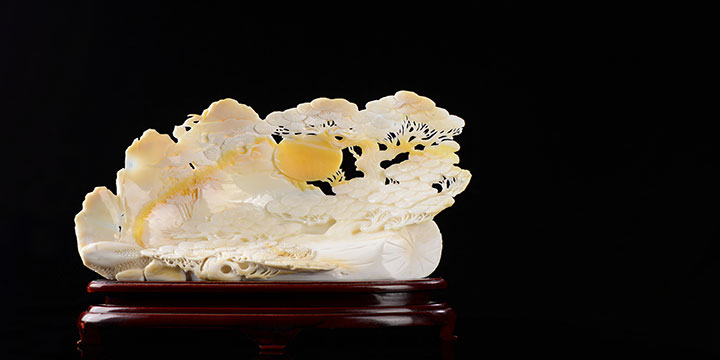
“Jade” can refer to jadeite or nephrite, while color, treatment, carving and provenance all affect value. Do not use a scratch, sound or flashlight trick as authentication. For a costly piece, request an invoice that identifies the material and any treatment, obtain a report from a recognized independent gem-testing laboratory, and confirm that the report number and item match.
A modest pendant or seal is easier to carry than a large carving, but personalized characters should be checked by a fluent reader before engraving. Walk away from pressure, guaranteed-investment language or a seller who will not document a claim. Never assume that green color, weight or a market's reputation proves authenticity.
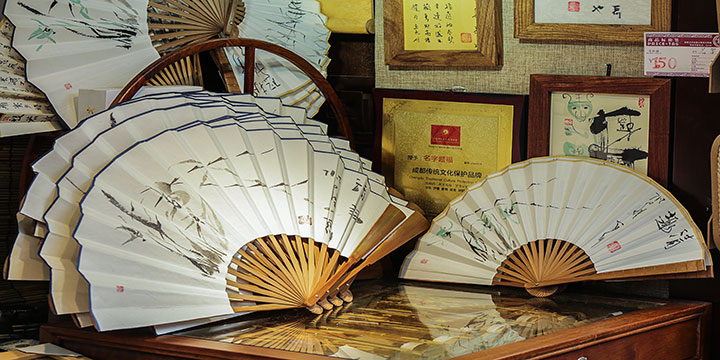
Paper, silk, bamboo and wood fans range from inexpensive everyday objects to signed works. Open and close the fan gently; check that ribs align, the pivot is secure and the leaf has no split folds. If calligraphy or painting matters, ask who made it and whether the work is original, printed or workshop-produced. Carry a delicate fan flat in a rigid sleeve rather than at the bottom of a suitcase.
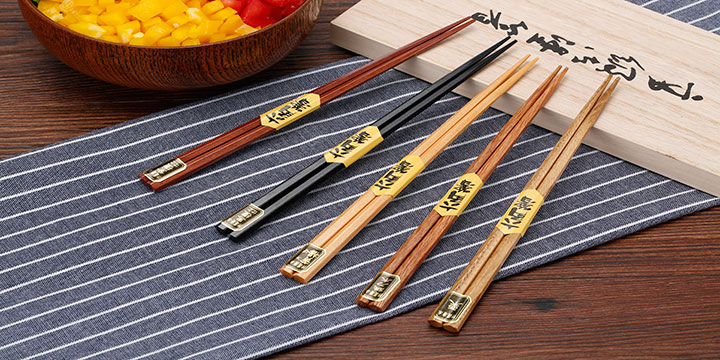
Bamboo or plain wooden chopsticks make compact gifts, while lacquered, painted or metal sets may be intended for display rather than daily use. Ask whether coatings and glues are food-safe, follow the maker's washing instructions and avoid buying cracked pieces. For bowls or plates, inspect rims and bases, confirm that decoration is designed for food contact, and pack each item separately with firm cushioning.
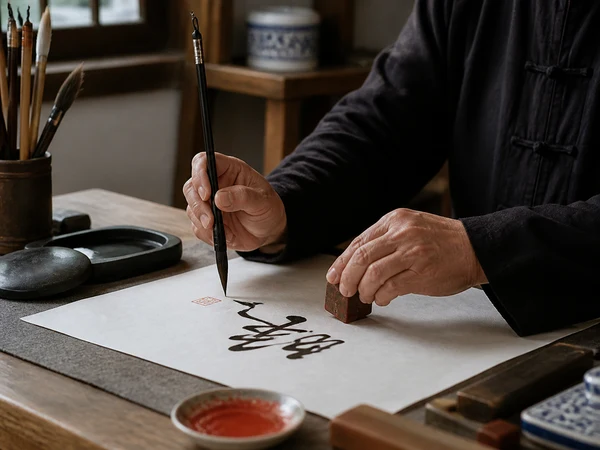
Calligraphy is not simply decorative handwriting. Ask the artist or studio to identify the characters, script style, translation, maker, date and whether the work is hand-brushed, printed or reproduced. A personalized name is a transliteration choice, not a literal equivalent; approve the written characters before the seal or paper is completed. For a serious purchase, request provenance and a condition report rather than relying on a red seal or an “old” appearance. Fresh works should be fully dry, rolled around a wide tube with clean interleaving, and kept away from humidity. An unsigned practice sheet can be a meaningful workshop memory without being marketed as investment art.
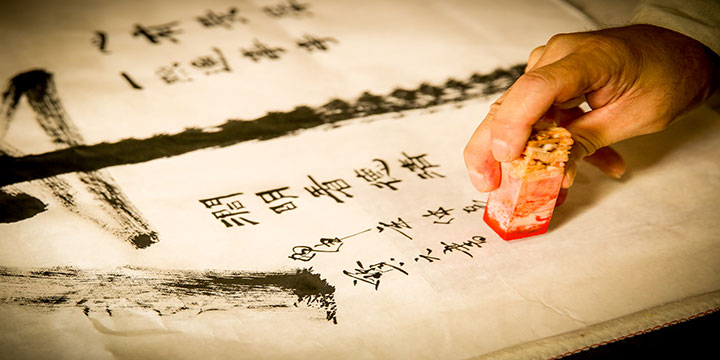
Read how to assess a craft demonstration before commissioning a personalized work; the maker, translation, completion time and final price should be clear before the brush touches paper.
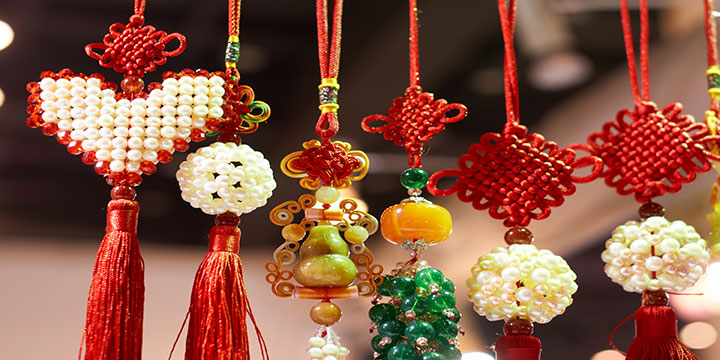
Chinese knotting uses repeated cord structures to create decorative and symbolic forms. Red is common, but color, pattern and meaning vary by maker and occasion. Ask what the specific knot is called instead of assigning a universal promise of luck, love or wealth. A small key ornament travels easily; a large wall hanging needs a protective box so loops are not crushed.
Look for even tension, finished ends and a clean reverse side. Buying from a demonstrator, community workshop or craft museum shop may provide better maker information than an anonymous bulk stall, but verify the actual production source rather than assuming that the sales setting guarantees it.
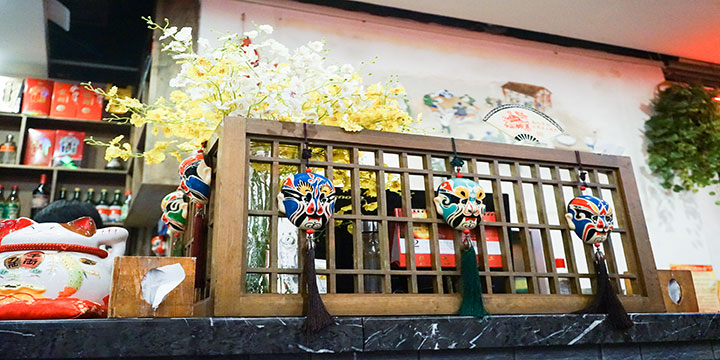
A Beijing opera or Sichuan opera face design belongs to a performance tradition with role types and visual conventions; colors do not have one identical meaning across every character, troupe or genre. Ask which opera and character inspired the piece, and label it accurately when gifting. Choose a lightweight display mask or documented artisan work instead of presenting a mass-produced decoration as stage equipment.
Posters, badges, watches and printed objects connected with twentieth-century political history require careful labeling. Many tourist-market pieces are later reproductions, assembled objects or distressed copies. Buy for documented historical or design interest, not because a vendor guarantees rarity, and do not repeat an attribution that is absent from the invoice. True antiques and cultural objects may be subject to export controls, while counterfeit brands and protected materials can create customs problems. Request the seller's business details and any required export documentation before payment. If age, origin or legality cannot be established, choose a clearly marked modern reproduction or leave the item behind.
Qipao, tang-style jackets, embroidered accessories and contemporary designer pieces can be good purchases when represented accurately. Ask about fiber, lining, construction and care; distinguish a modern fashion interpretation from a claimed historical or ethnic garment. Clothing associated with a specific community or ceremony deserves the maker's explanation rather than a generic “traditional costume” label. The best shopping decision is often the one you can explain later: who made it, what it is made from, where it was obtained and how it should be used. Photograph receipts separately, distribute fragile items through the case, declare purchases when required, and never buy ivory, coral, tortoiseshell or another wildlife-derived material without first verifying that possession, export and import are lawful.
Use a three-part test
for every purchase: the object fits the recipient, the material and claim are documented, and the item can legally and safely reach home. Compare by provenance, not by superlative and reserve room in the itinerary for one reputable workshop, museum shop or specialist store instead of making ten rushed market purchases.
There are lots of shopping streets in major cities like Beijing, Shanghai, Xi'an, Chengdu and Hong Kong. As you've already known what souvenirs to bring back to US, you can let us help you with all the arrangements for both shopping and sightseeing.
You can check our sample tours for some good ideas, or you can have a tailor-made tour with a more flexible schedule.
Don't worry about the itinerary, our professional travel consultant will design a great plan for you.

From $ 2498

From $ 22782050
From $ 2983