Your China & Yunnan Travel Experts


 Ask a Question
Chinese imperial dress was a system of garments, headwear, belts and accessories matched to rank, ritual, season and occasion. “Dragon robe” is a useful popular label, but it should not imply that every emperor wore one yellow garment every day. Court regulations and surviving objects changed greatly across dynasties. Begin with the history of Chinese clothing to place court dress within wider textile and social change.
Clothing helped make hierarchy visible, especially in formal court settings, yet laws, colors and motifs were not identical throughout imperial history. Silk quality, weave, embroidery, insignia and accessories could all communicate office or status. Museum labels are essential: a robe made for ritual, audience, travel or celebration should not be interpreted as ordinary daily wear.
Reliable knowledge of early dress comes from ritual texts, excavated textiles, bronzes, pottery figures and later images, all with different limitations. Black and other dark colors carried ceremonial importance in several early systems, while the Qin court is commonly associated with black in later historical accounts. It is safer to compare dated objects than to assign one “national color” to an entire dynasty.
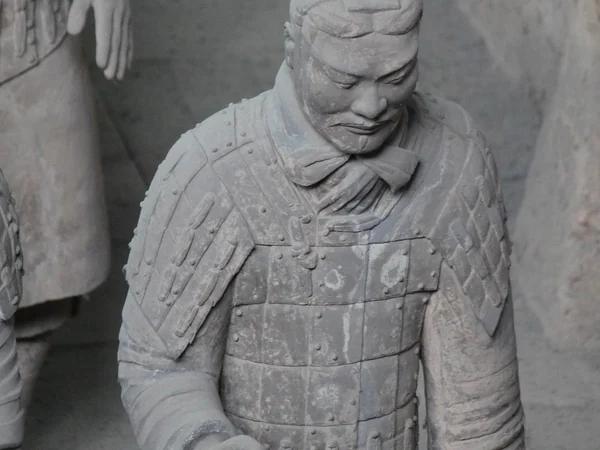
Museum reconstruction of early imperial clothing associated with the Qin period
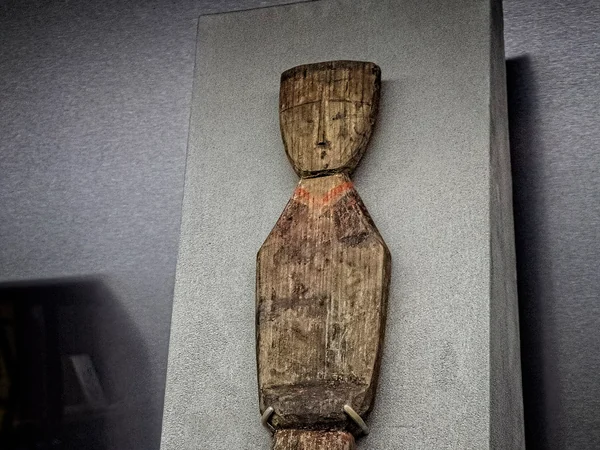
Court-dress interpretation for the Zhou period
Han court regulations expanded distinctions among ritual dress, official robes and everyday clothing. Yellow gained political associations over time, but it did not instantly become the exclusive color of every emperor.
During the Han and subsequent divided dynasties, dress absorbed changing ritual ideas, textile technology and contact among different peoples.
Museum garment or figure illustrating post-Han court clothing
Sui and Tang courts used formal dress codes while cosmopolitan exchange introduced new silhouettes, textiles and decorative ideas. Yellow became increasingly associated with imperial authority, but period art also shows officials and rulers in red, dark and other colors. A Tang pottery figure, mural or reconstruction records a specific context—not a universal uniform.
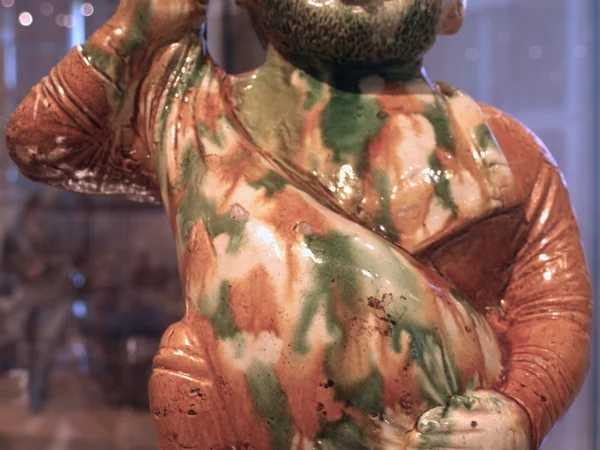
Tang-period court dress interpreted through a museum figure
Song court dress frequently used red for officials and formal appearances, with shape, headwear and insignia helping distinguish rank. Later explanations that derive every color choice from the Five Phases are interpretive frameworks, not complete design records.
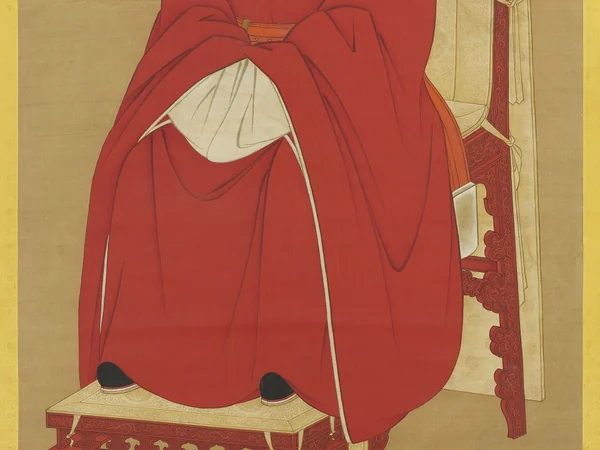
Museum interpretation of a formal Song-period robe
Ming emperors used several formal ensembles and colors. Dragon imagery, roundels and woven or embroidered patterns varied with garment type and date; white, yellow and red should be read through the object's label and occasion.
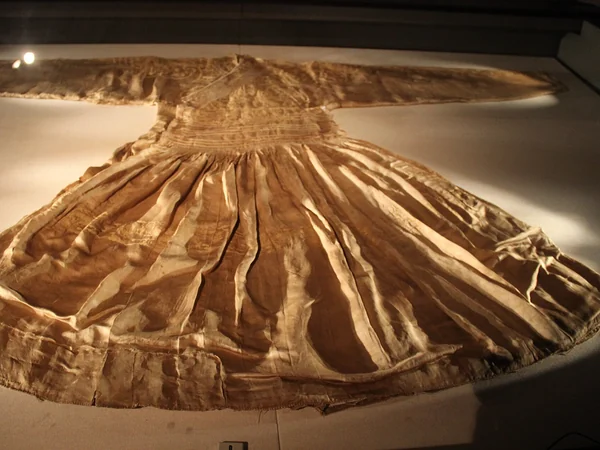
Ming ceremonial robe preserved in a museum collection
Qing court clothing is especially well represented in museum collections. Ceremonial robes, audience dress, festive garments, informal wear, travel clothing and seasonal versions formed distinct categories. A robe's dragons, mountains, waves, clouds and auspicious motifs worked together with color and accessories; counting dragons alone cannot identify every wearer or rank.
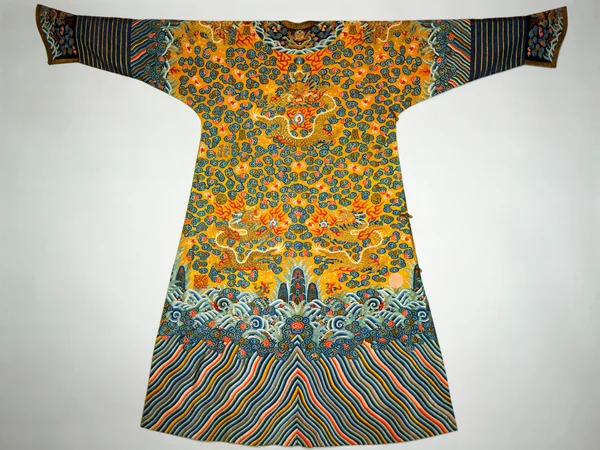
Bright yellow was strongly associated with the emperor in the Qing system, while specified shades and garment types were also used by empresses, princes and other court members under regulation. Materials could include silk, gold-wrapped thread, pearls and fur, but not every surviving robe uses every luxury material. The types of Chinese clothing guide explains how robes relate to other garment structures.
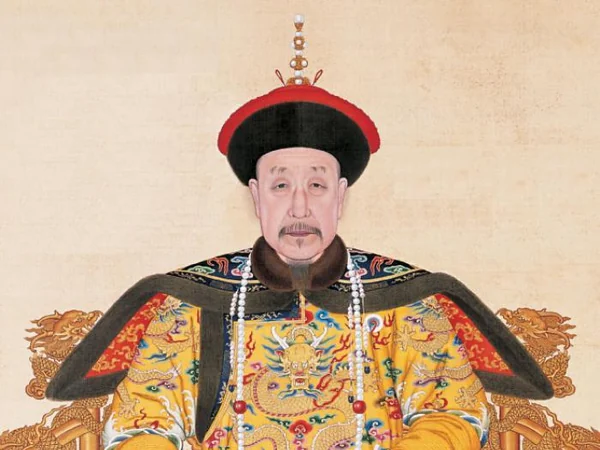
Dragon imagery expressed imperial authority in court contexts, yet dragons also appear more broadly in Chinese decorative culture. Modern clothing with a dragon motif is fashion, not a continuation of legal rank. At the Forbidden City, read gallery labels for provenance and confirm current exhibition rooms because light-sensitive textiles rotate.
Empresses and high-ranking imperial women had regulated ceremonial ensembles that could include robes, surcoats, crowns, necklaces, collars and seasonal accessories. Color, motif and jewelry depended on rank and occasion. Surviving garments should be described by collection records rather than by assigning every bright-yellow robe to one named woman.
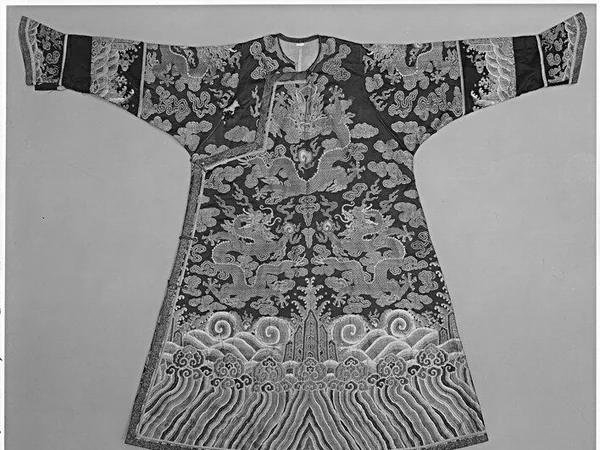
Qing imperial women's court robe and accessories
Court necklaces could contain strings of beads divided by larger separators, while crowns and collars combined textile, metalwork and gemstones. Exact materials and ownership require object-level documentation.
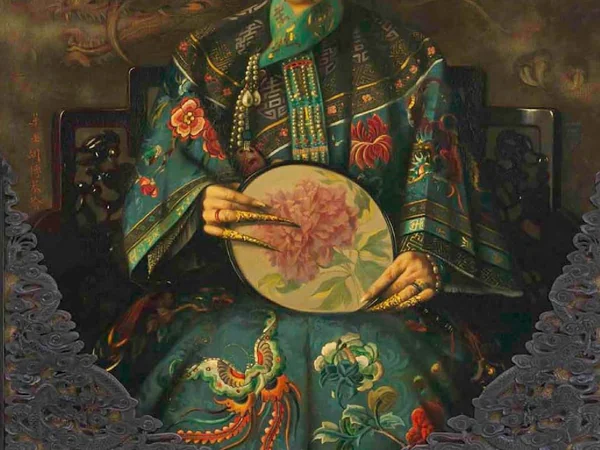
Museum display associated with Empress Dowager Cixi
Modern portraits and photographs help date clothing but should not be used to generalize all Qing women's dress. Contemporary designers may reuse yellow, dragon or cloud motifs without reproducing imperial rank.