Your China & Yunnan Travel Experts

 Ask a Question
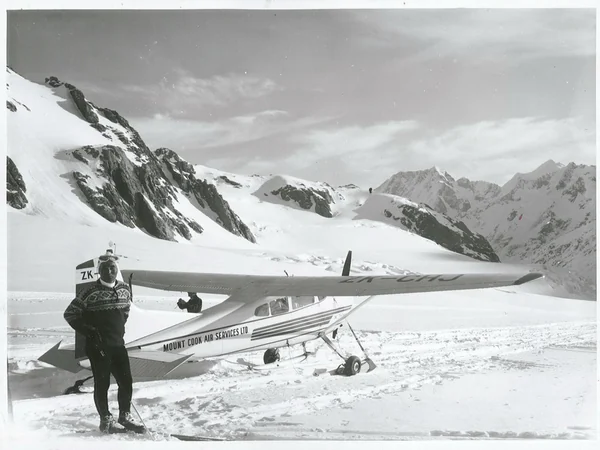
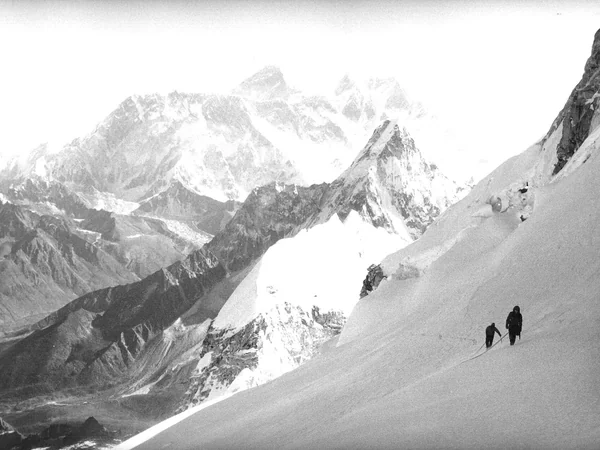
Mount Everest expedition history is a record of mapping, scientific observation, Himalayan labor, changing access, technical innovation and human loss—not only a list of summit dates. The first reconnaissance in 1921 approached from Tibet; repeated northern attempts followed before Nepal opened a southern approach. The early Everest expeditions timeline explains how route knowledge accumulated before 1953. Survey photographs, weather notes and route sketches can be as historically important as a summit claim because they show what each team actually knew.
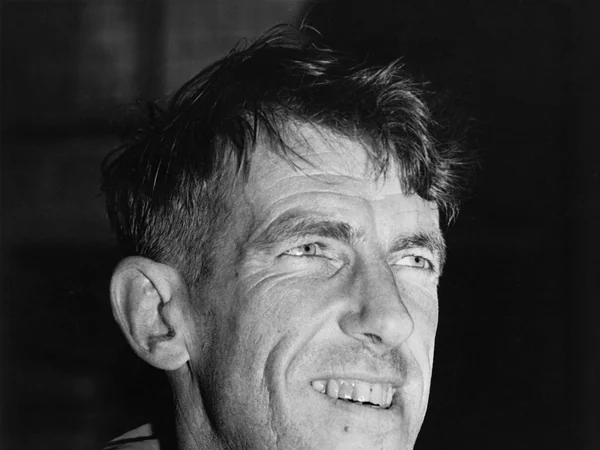
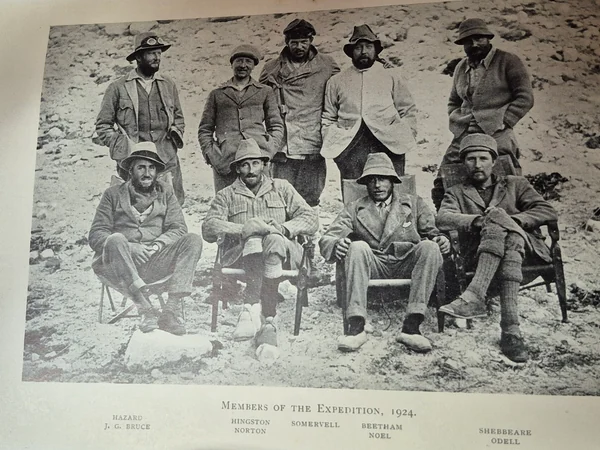
Tenzing Norgay and Edmund Hillary made the first confirmed ascent on 29 May 1953 via the Southeast Ridge. “Confirmed” matters because George Mallory and Andrew Irvine disappeared high on the Northeast Ridge in 1924 without leaving decisive evidence that they reached the top. The detailed first summit account separates documented facts from the unresolved mystery. It also explains why the two 1953 climbers should be credited as partners rather than cast as leader and assistant.
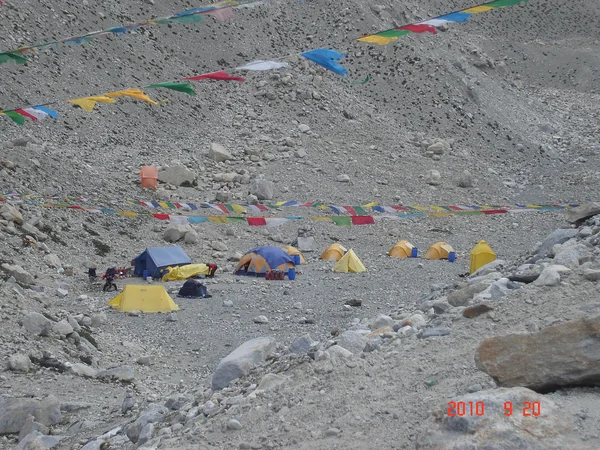
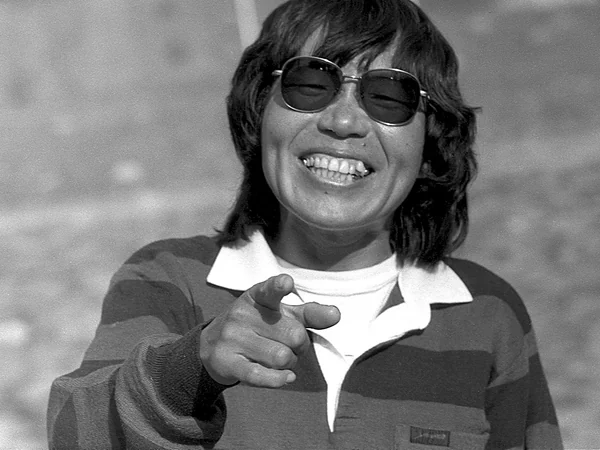
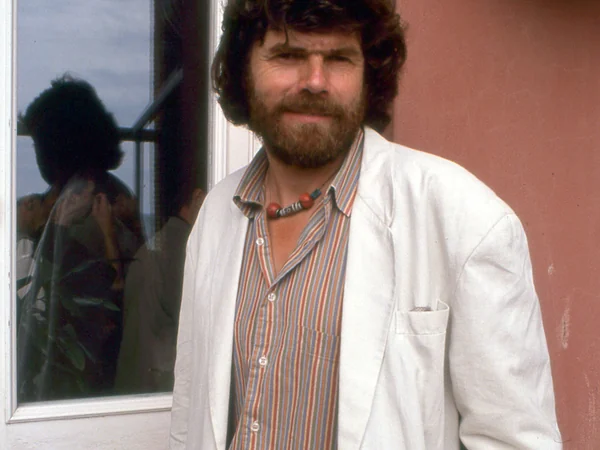
Later milestones changed what climbers believed possible: Junko Tabei became the first woman to summit in 1975; Reinhold Messner and Peter Habeler climbed without supplemental oxygen in 1978; Messner made the first solo ascent in 1980. Modern records add categories for route, oxygen, age and speed, so two apparently conflicting claims may refer to different definitions. Browse the Mount Everest hub for geography, climate and visitor planning beyond expedition history. A visitor trip to the north-side viewpoint is not part of this climbing timeline and requires different planning.
Read these profiles as historical context, not encouragement to imitate a record. Equipment, regulations, fixed lines and rescue systems change, while extreme altitude remains inherently dangerous. Reliable research names the source, date, route and category; acknowledges Sherpa and other high-altitude workers; avoids treating deaths as spectacle; and rechecks any “current” record before publication. Where testimony conflicts, a good history preserves uncertainty instead of converting a plausible story into a fact. That standard makes the timeline more useful to both travelers and researchers.