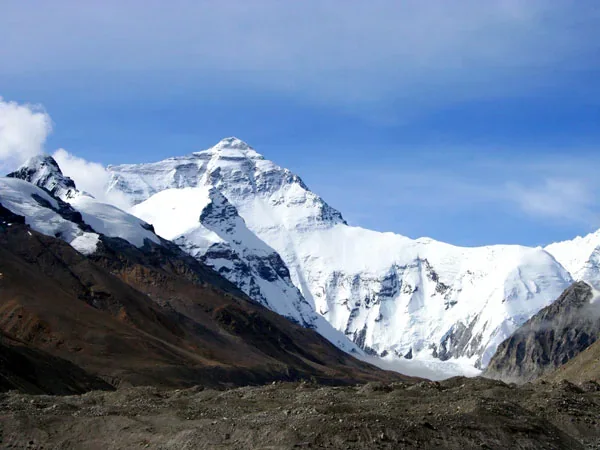
Mount Everest is the world's highest mountain and a sacred presence in the Himalayan landscape. A visitor trip to its north side is not a summit expedition. It is a regulated, high-altitude road journey through Tibet that requires careful acclimatization, confirmed access and realistic expectations about comfort and weather. The most useful preparation starts with decisions about route, sleeping altitude and contingency time rather than a list of old prices.
Use these Mount Everest travel tips as a planning checklist, then confirm operational details with the licensed operator handling the itinerary.
Routes to Mount Everest
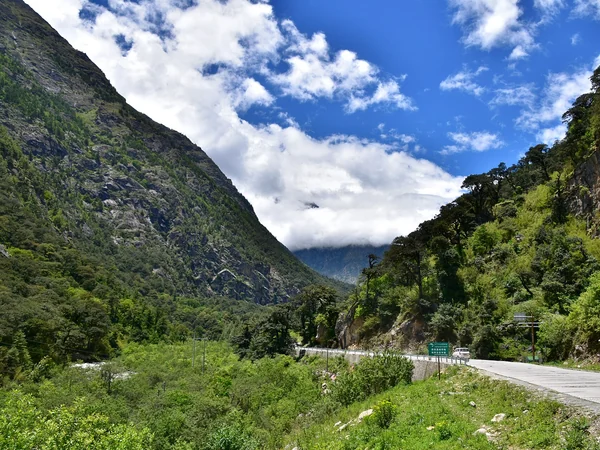
The usual Tibet-side route begins in Lhasa and continues to Shigatse, Tingri and the Rongbuk visitor area. A cultural stop in Gyantse or at Yamdrok Lake can break up the journey, but no routing should sacrifice acclimatization merely to cover more places.
Expect a full road journey with checkpoints and changing mountain conditions, not a simple transfer measured only by kilometres. Foreign passport holders should have all current Tibet and border-area arrangements handled before departure. Compare options in the Everest transportation guide.
Independent rides or last-minute vehicles should not be the foundation of the plan. Use the vehicle and guide named in the approved itinerary, keep travel documents accessible, and download key contacts for offline use.
Accommodation near Mount Everest
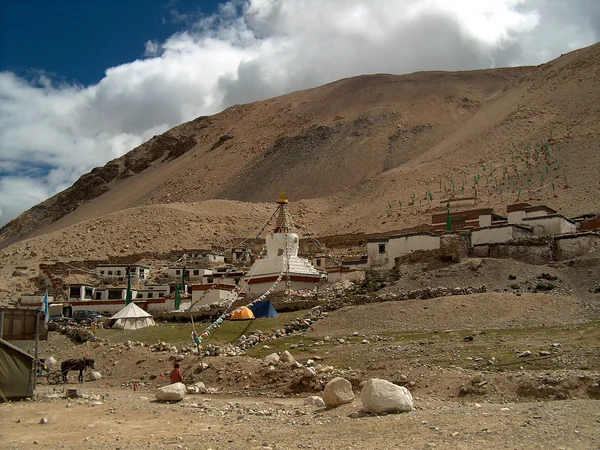
Near Rongbuk, lodging is basic, seasonal and at roughly 5,000 metres. A clear view is never guaranteed, but an overnight may create both evening and morning viewing opportunities. Shared facilities, limited hot water, simple meals and intermittent power are normal possibilities.
Tingri usually offers a broader range of rooms and a lower sleeping altitude, although it adds driving on the viewing day. Ask about heating, bathroom type, electricity and cancellation arrangements; compare the trade-offs in the
Everest accommodation guide.
Transport and road timing
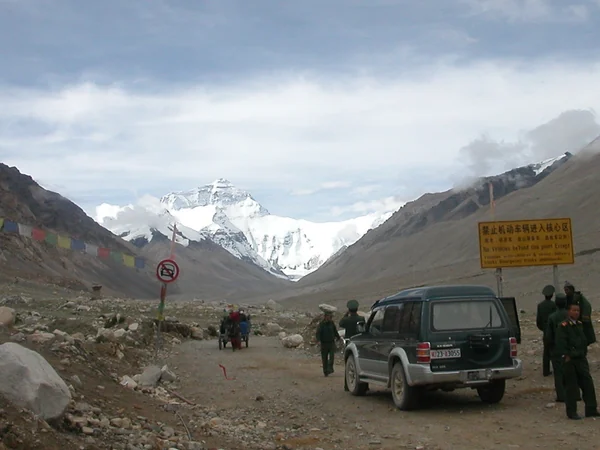
Do not rely on legacy public-bus schedules. The practical international-visitor itinerary uses an arranged vehicle from Lhasa or Shigatse, followed by any scenic-area shuttle required on the final approach.
Road, snow and checkpoint conditions can change. Build at least one flexible element into the wider trip and avoid a tight same-day flight connection after returning from Everest.
At the visitor area, remain with the guide, follow designated paths and keep physical exertion light. The absence of technical trekking does not make an altitude near 5,000 metres easy.
Entrance tickets and permits
Scenic admission is time-sensitive and should be checked for the exact travel date.
Vehicle or environmental charges may be quoted separately or included by the operator; request an itemized explanation.
A final scenic shuttle can have its own ticket or operating arrangement. Confirm the boarding point and whether service is affected by season.
How to confirm the trip cost:
1. Ask when each admission or transport charge was last verified and do not accept an undated screenshot as current proof.
2. Check that the quotation identifies guide, driver, vehicle, permits, hotels, meals, admission and shuttle rather than grouping everything as an unexplained fee.
3. Pack warm layers, sun protection, drinking water, familiar snacks, tissues, hand sanitiser, a power bank and any prescribed medicine. Seek individualized medical advice before a rapid ascent.
4. If headache, nausea, unusual fatigue, breathlessness at rest, confusion or loss of coordination develops, tell the guide immediately and do not continue upward. Use the
Everest visitor planning guide to connect safety, climate and itinerary choices.

 Ask a Question