Your China & Yunnan Travel Experts

 Ask a Question
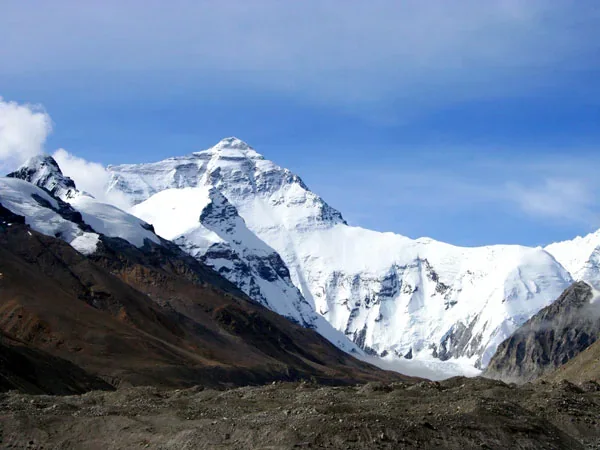
Mount Everest is 8,848.86 metres above sea level and lies on the China–Nepal border. Reaching the public north-side visitor area and joining a summit expedition are legally and operationally different activities. The visitor route belongs within a regulated Mount Everest journey; the climbing route requires formal mountaineering approval.
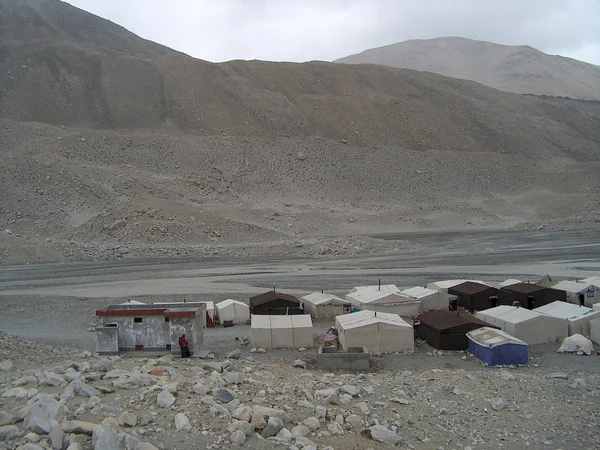
China regulates high-altitude mountaineering, and expeditions above 7,000 metres require national-level approval after the relevant local review. Foreign teams also operate through authorized Chinese counterparts and must follow the approved mountain, route, dates and team arrangements.
Yes. A foreign climber cannot enter Tibet as an ordinary visitor and then independently continue above the tourist area. The expedition must be organized and approved in advance. Requirements, submission channels and operating seasons can change, so obtain a current written checklist from the authorized organizer.
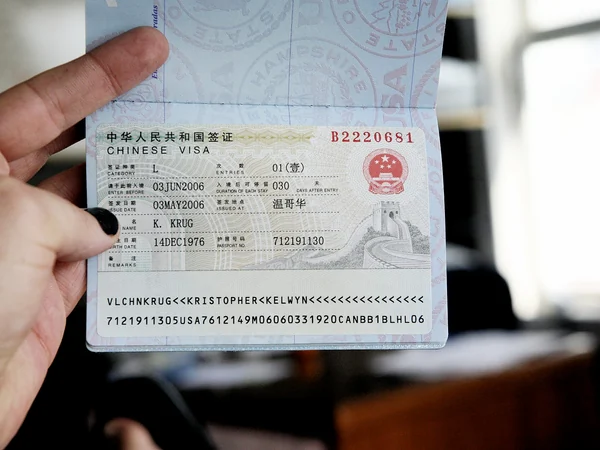
For ordinary regional access, the core document is the Tibet Entry Permit arranged through the authorized travel operator for the approved itinerary. It is not a mountaineering licence and does not authorize entry onto the Everest North Ridge route. Visitor identity and itinerary documents
must match the traveler, passport, Chinese visa or other lawful stay document, dates and route submitted by the operator. Do not rely on an old list of three universally named permits. Additional border-area authorization
may be arranged for the approved Everest-region itinerary according to current local requirements. The traveler normally supplies information while the operator coordinates the process.
1. Passport identity page and validity details
2. Current Chinese visa or other accepted entry-status documentation
3. Tibet travel approval linked to the itinerary
4. Confirmed route, dates, vehicle, guide and accommodation
5. Any current border-area documentation requested for that route For an expedition, the central requirement is
formal mountaineering approval under China's sports-administration rules, supported by the authorized Chinese organizer and the relevant Tibet authorities.
1. Final team roster and identity documents
2. Climbing résumé, qualifications and evidence of relevant high-altitude experience
3. Approved leader, guides, support personnel and medical plan
4. Route, dates, camps, communications, oxygen and emergency arrangements
5. Insurance, logistics and environmental-management documents required for the application The issued package includes a mountaineering licence or written expedition approval
for the specified team, mountain, route and period. It should not be described as permission for unrestricted movement elsewhere in Tibet. All approvals must be in place before mobilization; a booking deposit or invitation does not by itself prove legal authorization.
1. Work through an authorized Chinese expedition organizer
The organizer should confirm whether the north-side season is operating, screen the proposed team and provide the current authority-issued application requirements. Do not submit money solely on the basis of an unofficial scanned “permit.”
2. Prepare a complete team and route dossier
A. Official mountain name, elevation and intended route
B. Proposed dates, acclimatization schedule and camp plan
C. Team roster, nationality, contact details, roles and climbing experience
D. Technical equipment, oxygen, communications and medical resources
E. Transport, accommodation, waste and rescue arrangements
3 . Allow time for authority review and possible requests for corrections. A historical promise of approval within a fixed number of days should not be treated as current service timing.
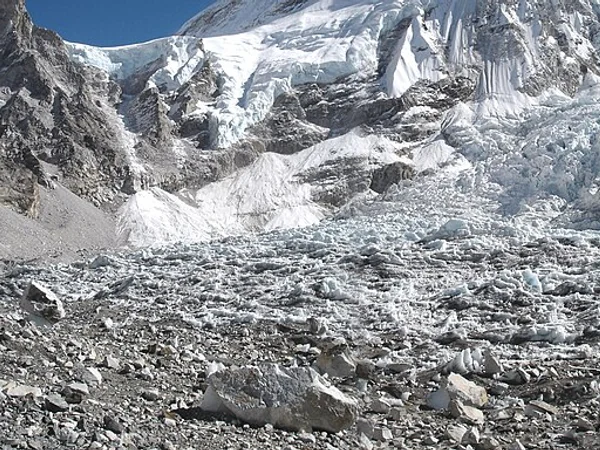
4. Receive written approval before mobilization
The final authorization should identify the approved activity. Team changes, route changes or schedule changes may require renewed consent rather than an informal decision at base camp.
5. Confirm current charges and included services
Fees can include government charges, liaison, transport, camps, waste management, communications and other expedition services. Ask for an itemized current proposal.
Do not publish or rely on legacy prices. The amount varies with regulation, team size, service scope and season.
After approval, follow the authorized route, reporting, environmental and safety conditions. A permit is regulatory permission, not proof that weather or team readiness is suitable.
In practical terms, separate tourist access documents from expedition approval and route-specific operating conditions then confirm every item in writing. Link the approved period to the Everest climbing-season guide before final travel arrangements.
15 Days Expedition to Mt. Everest Base Camp
Beijing, Xian, Lhasa, Shigatse, Tingri, Mt. Everest, Shanghai
From $ 1637
From $ 3179