Your China & Yunnan Travel Experts

 Ask a Question
Oldest People to Summit Mount Everest: Verified Records

Earlier Record: Min Bahadur Sherchan
Nepalese mountaineer Min Bahadur Sherchan reached Everest's summit on May 25, 2008, aged 76. Guinness later recognized his achievement as the oldest ascent at that time. His record was subsequently surpassed, so it should be described historically rather than as current.
Sherchan's ascent attracted attention because he carried a message of world peace. The slogan forms part of his personal story, but the record rests on age and verified summit evidence.
In 2013, Japanese climber Yuichiro Miura summited at age 80 and became the recognized oldest man. This superseded Sherchan's age record without diminishing the earlier ascent.
Sherchan was at Everest Base Camp during the 2015 Nepal earthquake and did not climb. That disaster is a reminder that even a well-prepared expedition can be stopped by hazards beyond an individual's control.
In 2017, Sherchan returned hoping to regain the record. He died at base camp before making a summit attempt. Reports attributing a precise medical cause without a released clinical finding should be treated cautiously.
Oldest Man: Yuichiro Miura

Guinness records Miura's summit on May 23, 2013, at 80 years and 223 days. It was his third Everest summit after ascents at ages 70 and 75. Miura had also built a long career in skiing and high-altitude expeditions; his 1970 Everest ski descent became a separate landmark. The repeated age record reflects decades of training, medical oversight, a supported expedition and conditions on one route—not a general benchmark for older adults.
Oldest Woman: Tamae Watanabe
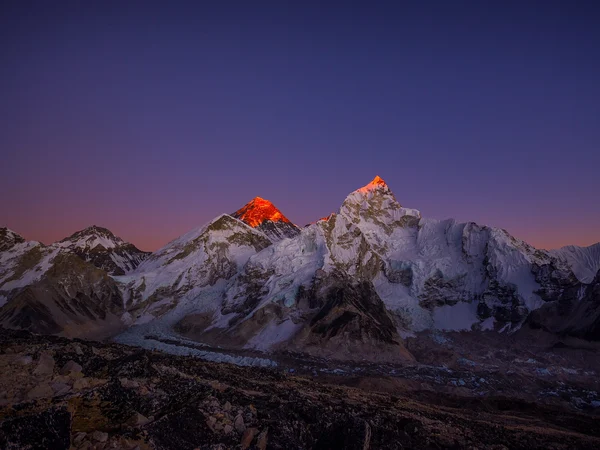
Watanabe began climbing as an adult and completed ascents in several mountain ranges before Everest. Biographical summaries should avoid turning her public-service employment or retirement into an explanation for the climb; her relevant expertise came from years of mountaineering.
How to Interpret Age Records Safely
Fitness does not prevent acute mountain sickness, and previous success does not guarantee a safe response on another trip. CDC guidance emphasizes gradual ascent, no further ascent with symptoms, and descent when symptoms worsen. Confusion, loss of coordination, breathlessness at rest or a worsening cough can signal life-threatening illness and require urgent descent and medical care. Everest expeditions require specialist medical screening, oxygen and medication protocols, communications, insurance and operator-level rescue planning. Chronological age alone cannot determine suitability, while a record holder's success cannot be converted into a promise for another traveler. Read the site's high-altitude acclimatization guide and Everest death-zone explanation before comparing records with personal plans. Recheck Guinness directly because record holders can change.
From $ 1637
From $ 3179