Your China & Yunnan Travel Experts

 Ask a Question
The “North Silk Road in China” is best understood as a family of overland corridors, not one surveyed road with an unchanged start and finish. Routes shifted with political control, security, climate and the fortunes of oasis cities. Use a Silk Road map to compare branches, study the Hexi Corridor as the main northwestern passage, and choose modern stops through the Silk Road destinations guide.
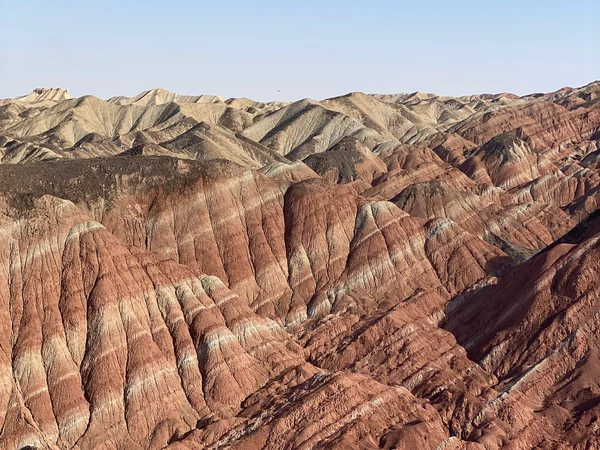
A practical northern China route begins with the imperial context of Xian and continues northwest through Lanzhou , Dunhuang , Turpan , Urumqi and Kashgar before historical branches crossed Central Asia. Within China, the route connects Shaanxi with Gansu and the oasis systems of Xinjiang .
The Hexi Corridor concentrated movement between the Qilian Mountains and the Gobi. West of Dunhuang, travelers could follow different oasis chains around the Taklamakan rather than one permanent line.
A northern steppe network also connected the Yellow River region, Mongolia and southern Siberia. It should not be confused with the desert-oasis route simply because both appear above the Taklamakan on a modern map. For trip planning, select one coherent Chinese sequence and verify current rail, flight and road connections separately from the ancient geography.
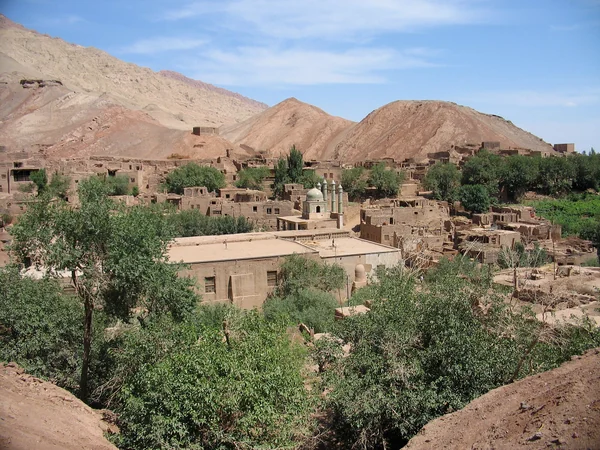
Long-distance exchange existed before the Han state formalized relations with regions to the west. The Hexi Corridor became especially important as the Han dynasty expanded northwestward and missions associated with Zhang Qian improved Chinese knowledge of Central Asian polities. His journeys did not “discover” empty lands; they connected the Han court to established societies and exchange systems.
Han control, garrisons and diplomacy helped some corridors develop, but trade continued through many local intermediaries. Political stability could increase traffic, while conflict or environmental pressure redirected it.
Silk, horses, metals, glass, textiles, spices and other high-value goods moved in both directions. Their routes and dates varied, and merchants commonly sold to the next regional network rather than crossing Eurasia themselves.
Buddhism reached China through translation communities, monks, patrons and oasis centers over centuries. Cave temples and manuscripts provide evidence of this movement, but individual images require careful dating.
At Mogao Caves the surviving art reflects changing patrons and cultural contacts; it should not be reduced to one emperor or one moment. Farther east, the Yungang Grottoes
belong to another regional and political setting within the wider history of Buddhist transmission.
Modern roads and railways make selected sections accessible, yet they do not recreate ancient travel conditions. Build the itinerary around evidence-rich sites rather than claiming to follow every original mile. The Terracotta Warriors near Xian belong to the Qin dynasty
From $ 3510
From $ 3061

From $ 3683