Your China & Yunnan Travel Experts

 Ask a Question
Marriage alliances known as heqin were instruments of diplomacy between Chinese courts and neighboring rulers. They should not be romanticized as simple “peace-making” journeys: the women involved had different family backgrounds and political status, and the results depended on military, economic and personal circumstances. Read the diplomatic setting through Zhang Qian's missions, the Han Silk Road and the wider Silk Road history.
The Chinese term 和亲 is often translated as “harmonious kinship.” Some brides were imperial relatives, while others received a princess title for the alliance. Historical sources were written for particular courts, so modern summaries should separate documented action from later legend.
Heqin began before the mature Silk Road network and continued under several dynasties. It could accompany tribute, trade, hostage arrangements or military negotiation, but a marriage did not guarantee lasting peace.

Princess Jieyou married into the Wusun ruling house in the early first century BCE and lived for decades in the Western Regions. Sources connect her with Han diplomacy and court politics, but details of motives and personal experience require caution. Her story matters because it reveals how an elite woman could act within competing alliances rather than merely travel as ceremonial cargo.

Princess Wencheng traveled from the Tang capital to marry Songtsen Gampo; Chinese imperial records place her arrival in Tibet in 641. The alliance belongs to Tang–Tibetan diplomacy, not to a modern tourism slogan.
Later narratives credit her convoy with books, craft knowledge and cultural objects. Some details have been amplified over centuries, so distinguish securely documented political events from devotional and popular tradition. In Lhasa, sites associated with Wencheng should be interpreted through their own religious history and current conservation rules.
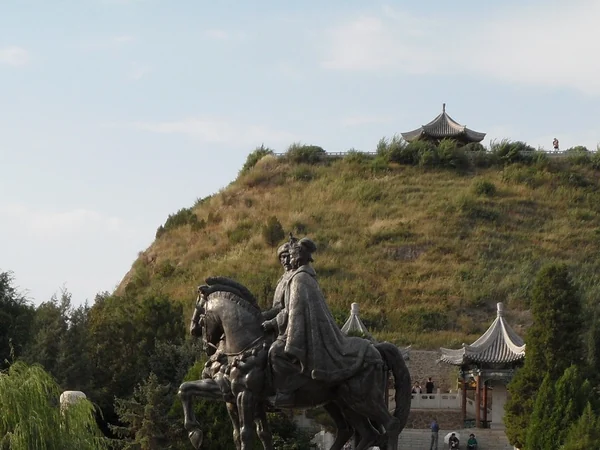
Wang Zhaojun, a Han palace woman, was married to Huhanye Chanyu of the Xiongnu in the first century BCE. Her story became a major theme in literature, painting and opera. The alliance coincided with a period of improved relations, but it is inaccurate to assign decades of peace to one person alone. At memorial sites near Hohhot, compare historical evidence with the way later generations shaped her image as a symbol of frontier harmony.
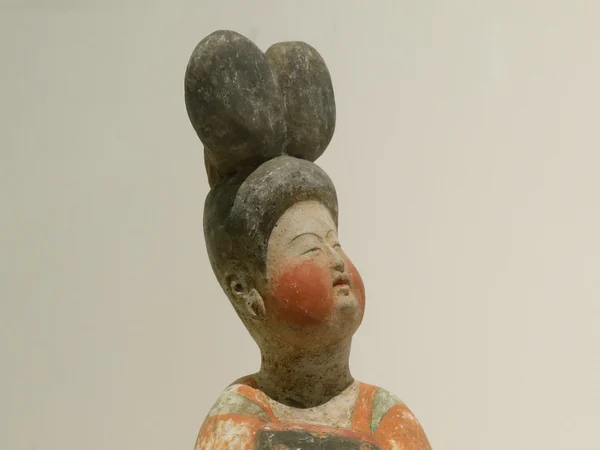
Heqin placed women inside political systems they did not control. Distance from family, language, succession customs and unstable alliances could create serious risks. Their experiences should not be ranked as lucky or tragic solely through later court narratives.
Accounts of Princess Ningguo's marriage to a Uyghur ruler after Tang–Uyghur military cooperation illustrate how quickly an alliance could change after a ruler's death. Specific dramatic details vary by source and should be presented as recorded traditions rather than certain biography.
Princess Taihe's long residence among the Uyghurs also unfolded amid changing leadership and conflict. Her return to the Tang court should be understood within those political shifts, without inventing a medical or psychological diagnosis.
Marriage alliances sometimes accompanied trade and cultural exchange, but women were people and political actors—not symbols created only to decorate Silk Road history. A responsible guide names the limits of the evidence and avoids turning coercive diplomacy into a romantic travel scene.
From $ 3510
From $ 3061
From $ 3683