Your China & Yunnan Travel Experts

 Ask a Question
Ancient Loulan was an oasis kingdom near Lop Nur on routes around the eastern Taklamakan. Chinese records also use the later name Shanshan for the polity after Han intervention, so the terms should not always be treated as interchangeable. Loulan's position made it relevant to diplomacy, garrisons and regional exchange, but it was one community among many in the Western Regions.
The site's remains and nearby cemeteries help researchers study settlement, writing, textiles and environmental change. They do not support the popular image of a wealthy city that vanished in a single unexplained moment. Place Loulan within ancient Xinjiang's oasis history and compare it with more accessible stops in the Silk Road destinations guide.
Lop Nur is a remote and sensitive environment. It should not be approached as an independent adventure destination. Access restrictions, safety requirements and conservation controls can change; the Xinjiang travel guide is a planning starting point, not permission to enter a restricted archaeological zone.
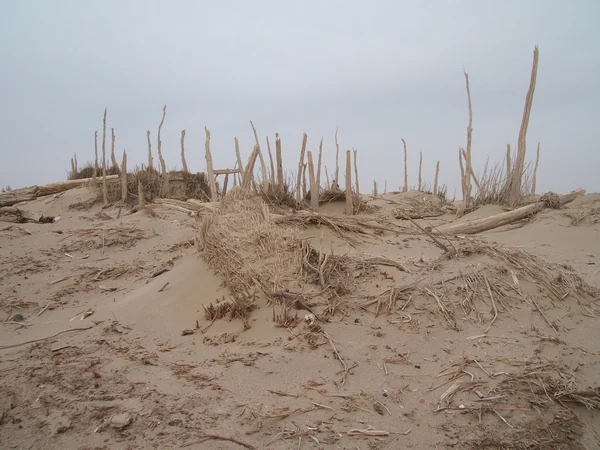
Loulan's decline is better understood as a long process. The Tarim Basin's rivers and terminal lakes changed course over time, affecting the water available to agriculture and settlement. Political priorities and route use also shifted. Written records, archaeological layers and environmental research must be compared; no single drought or battle explains every phase.
Foreign expeditions brought Loulan to international attention in the late nineteenth and early twentieth centuries, but their collecting methods also removed objects from context. Modern interpretation should name the excavator, find location and present collection when possible. A dramatic photograph of eroded walls cannot by itself explain why occupants left.
Human land use may have added pressure, yet claims that residents simply “destroyed nature” assign certainty that the evidence does not support. Climate, river behavior, regional conflict and administrative change interacted. The responsible conclusion is that oasis survival depended on both water and political networks.
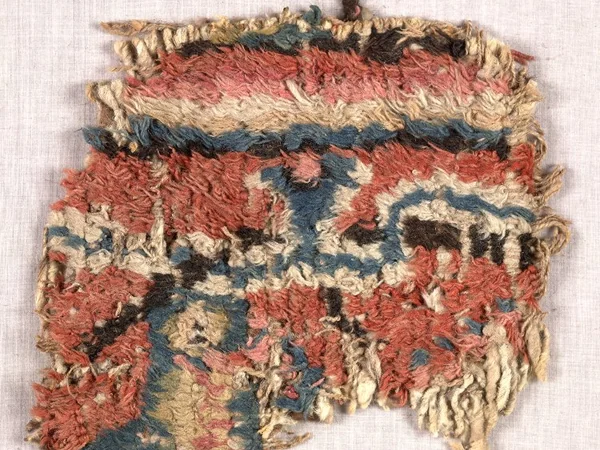
Naturally preserved human remains from the Lop Nur and wider Tarim Basin region provide evidence about diet, clothing, health and population history. The well-known individual popularly called the “Loulan Beauty” dates much earlier than the mature Han Silk Road and should not be presented as a Silk Road merchant. Facial reconstruction and modern labels are interpretations, not personal biography. Research on ancestry continues to develop, so avoid assigning a simple modern ethnicity from appearance. In museums, treat human remains with dignity, follow photography rules and focus on the archaeological context and textiles rather than sensational display.
From $ 3510
From $ 3061

From $ 3683