Four Treasures of Tibetan Diet: What Travelers Should Know
Butter, tea, tsampa and meat are often grouped as “four treasures” in popular introductions to Tibetan food. The phrase is a useful doorway, not a complete description of what every Tibetan person eats. Diet varies between pastoral and farming areas, households, seasons, income levels and modern towns. Reviewed August 29, 2026. Use the
Tibetan food guide for a wider menu context.
Yak Butter and Dairy
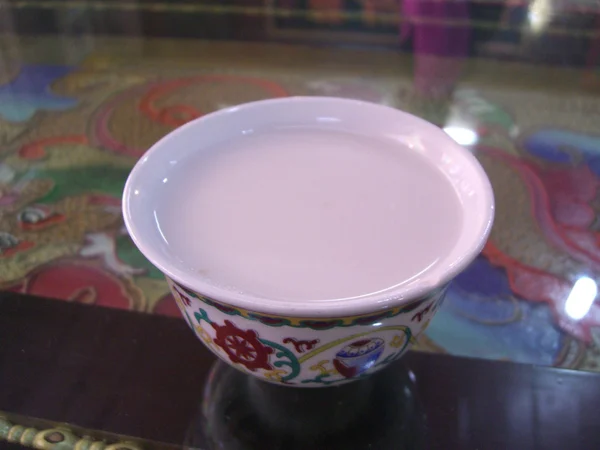
Butter made from yak or yak-cattle milk is an energy-dense food suited to pastoral economies and cold environments. It can be eaten with roasted barley flour, melted into tea or used in cooking and religious butter lamps. Goat, sheep and cow dairy also appear in different areas, so “yak butter everywhere” is an overstatement.
Traditional churning separates fat from warmed, fermented or fresh milk, but methods and hygiene controls differ between households and commercial producers. Travelers should buy sealed dairy products with a clear date and storage instructions when carrying them, and disclose milk allergy or lactose intolerance before accepting food. Butter supplies fat and calories; it is not a substitute for vegetables, fruit or medical acclimatization. Contemporary Tibetan diets are diverse, so avoid repeating the stereotype that plateau residents “seldom eat vegetables.”
Butter Tea
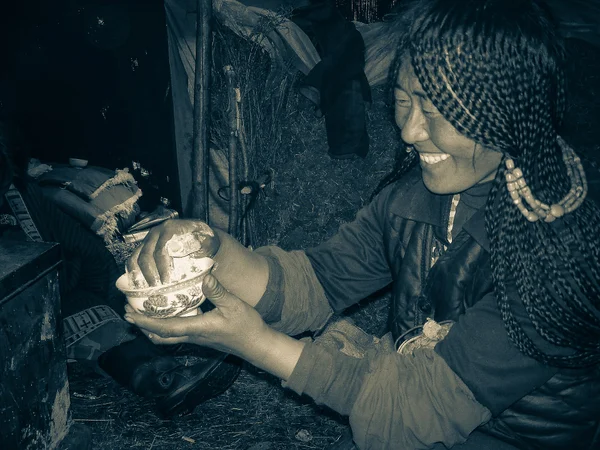
Butter tea, often called po cha, combines brewed tea with butter and usually salt. Texture and strength vary by household. It may be served in homes, teahouses and monasteries, and a host may refill the cup as a gesture of hospitality. Visitors can accept a small serving, drink slowly and politely say when they have had enough.
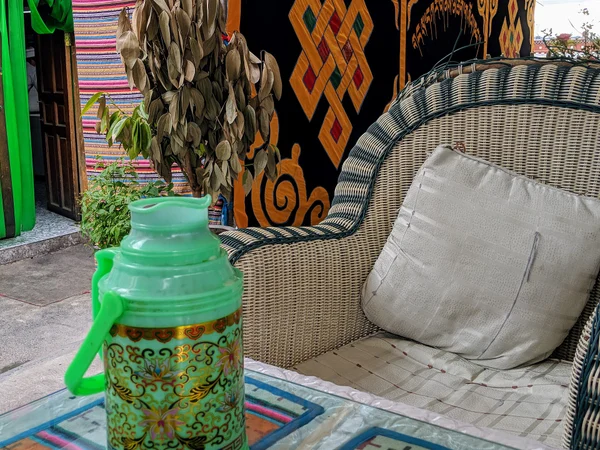
Butter tea provides fluid and energy, but it does not prevent acute mountain sickness. At altitude, follow gradual-ascent guidance, stop ascending when symptoms appear and seek qualified medical help for worsening headache, breathlessness, confusion or loss of coordination.
Etiquette is contextual rather than a universal sequence of compulsory refills. Watch the host, use both hands when appropriate, and ask your guide if visiting a monastery or ceremonial setting. For restaurant choices beyond butter tea, compare the
Tibetan cuisine overview.
Tsampa
Tsampa is flour made from roasted barley, usually highland barley. Roasting before milling gives it a nutty flavor and makes it convenient to combine with tea, butter, cheese or other liquids. People may knead it by hand in a bowl, but preparation and accompaniments differ across regions and families.
It is portable and culturally important, yet nutrition depends on the whole meal. Barley contributes carbohydrate, fiber and some protein; butter or cheese changes the fat and allergen profile. People with celiac disease should not eat barley because it contains gluten, and shared mills or kitchens can create cross-contact.
Dried Meat
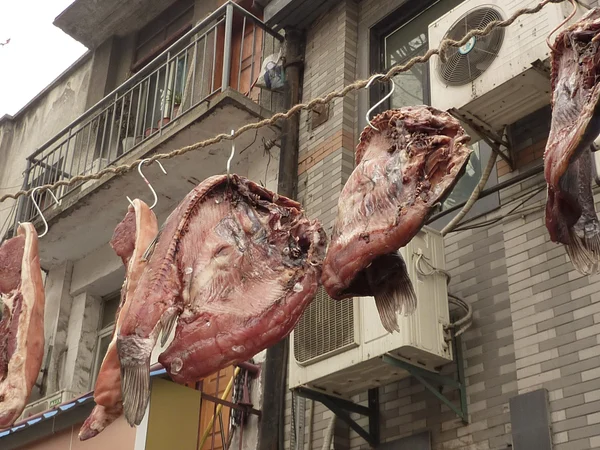
Air-dried yak, beef or mutton is associated with cold-season preservation in some plateau communities. Cuts, salting, drying conditions and later cooking vary. It should not be described as inherently dirty or as universally eaten raw. Cold, dry air can support preservation, but weather alone does not guarantee that pathogens or parasites are controlled.
For safety, choose meat from a licensed business, confirm whether it is ready to eat or must be cooked, and reject products with damaged packaging, unexpected moisture or an off odor. Keep raw and cooked foods separate, wash hands and use safe water. Importing meat is restricted or prohibited in many destinations, even when it is vacuum packed, so check the arrival country's official biosecurity rules before buying. A shop's assurance is not a substitute for the destination government's rule.
Highland Barley Drinks
Chang and related highland-barley drinks are fermented rather than distilled in many household forms. Alcohol content is not reliably “very low”: it changes with recipe and fermentation time. Commercial qingke liquor can be much stronger than homemade beer-like versions, so ask what is being served.
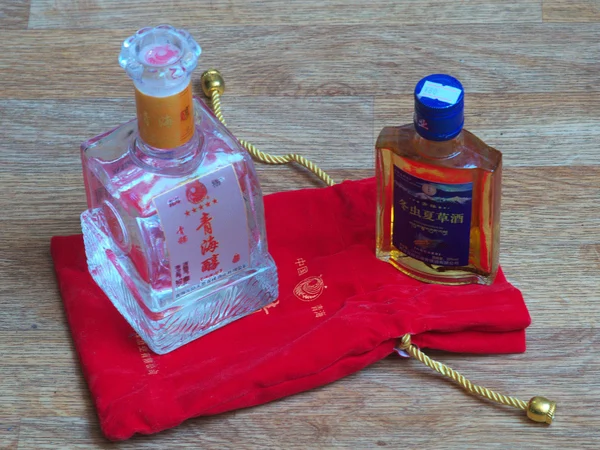
Alcohol is optional. Decline if you are driving, pregnant, under the legal drinking age, taking an interacting medicine or acclimatizing at altitude. CDC guidance advises avoiding alcohol during the first 48 hours at high elevation because it can impair sleep and judgment and confuse symptoms. Never use barley wine to “warm up” before exposure to cold; the sensation of warmth does not prevent heat loss.
A balanced tasting plan might pair a small portion of tsampa with tea, a cooked meat dish and vegetables rather than treating four ingredients as a challenge. Tell the restaurant about milk, gluten and meat restrictions; vegetarians should ask whether broth, butter or cooking fat contains animal products. Travelers with severe allergies should carry a translated allergy card and their prescribed emergency medication, because verbal translations and shared cookware can be unreliable.
Menus can use Tibetan, Chinese and English transliterations inconsistently. Ask what the dish contains, how it is cooked and whether the price is per portion, bowl or weight. Our
Chinese cuisine guide explains shared-table ordering and allergen checks that also help in mixed regional restaurants.
No traditional food guarantees warmth, stamina or acclimatization. Hydration, gradual ascent, sleep, medical screening and recognizing altitude-illness symptoms remain separate responsibilities. Recheck current food and border rules shortly before travel, because restaurant supply and customs controls can change.

 Ask a Question