Your China & Yunnan Travel Experts

 Ask a Question
 Tibetan cuisine is a set of regional food traditions shaped by altitude, barley farming, pastoral dairy and meat production, trade and modern urban life. Tsampa, butter tea, noodles, dumplings, yogurt and meat dishes are important, but no short list represents every household from Lhasa to Nyingchi, Chamdo or Ngari. Reviewed August 29, 2026.
Highland barley, wheat, potatoes, radish, peas, yak and cattle dairy, mutton and locally available vegetables recur in many areas. Rice, Sichuan-style dishes and contemporary cafés are also ordinary parts of today's food landscape. “Tibetan food is always oily” is a stereotype, not a useful menu guide.
Travelers should ask about ingredients rather than relying on an English dish name. Butter tea contains dairy; momos may contain meat and broth; noodles can use wheat; sausage may include blood or offal; and a vegetable dish may still be cooked in animal fat.
Nyingchi's lower, wetter valleys support different produce and cooking from the cold northern plateau. Regional variation reflects ecology and exchange, not a hierarchy of “authentic” and “non-authentic” food.
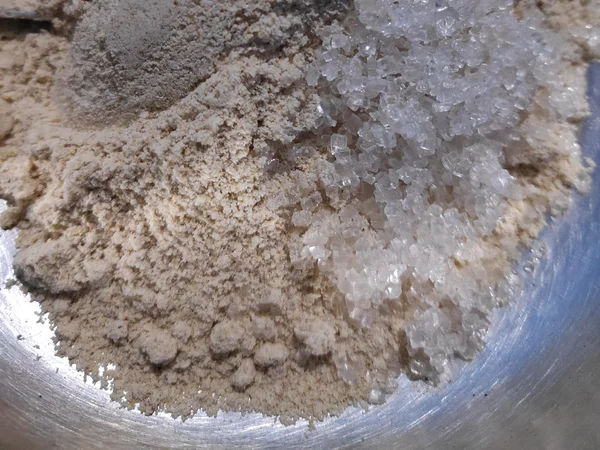
1. Tsampa is flour made from roasted barley, commonly mixed with tea or liquid and shaped by hand. Roasting means the grain is already cooked, making it portable and efficient, but water and serving hygiene still matter. Ask your host to demonstrate before mixing a shared bowl.
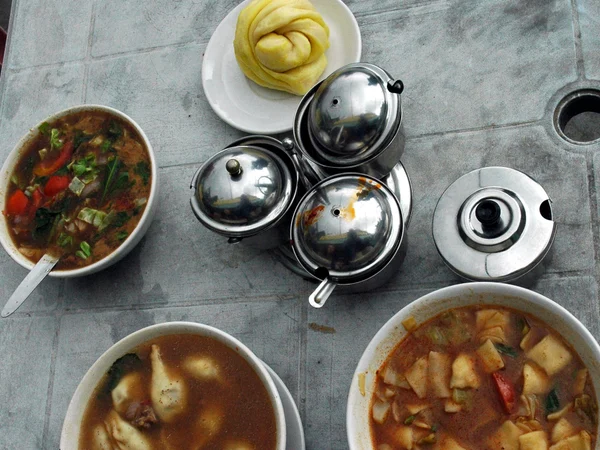
2. Butter tea combines tea, salt and butter or other dairy in varying proportions. It provides energy and warmth but is not a treatment for altitude illness. People with dairy intolerance or cardiovascular dietary restrictions should ask about substitutions.
The cup may be refilled repeatedly as hospitality. Drink at your own pace and communicate politely rather than forcing a medical or dietary limit.
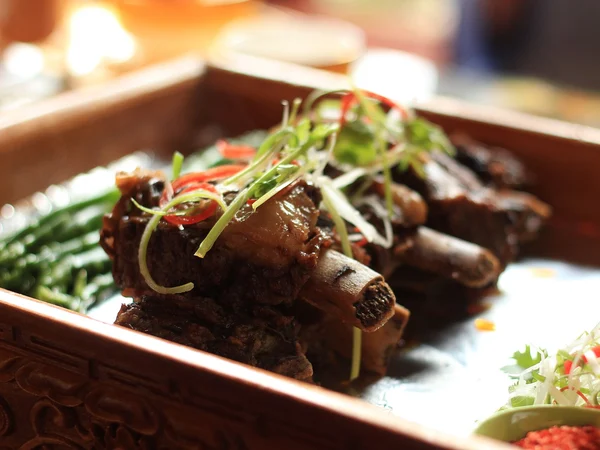
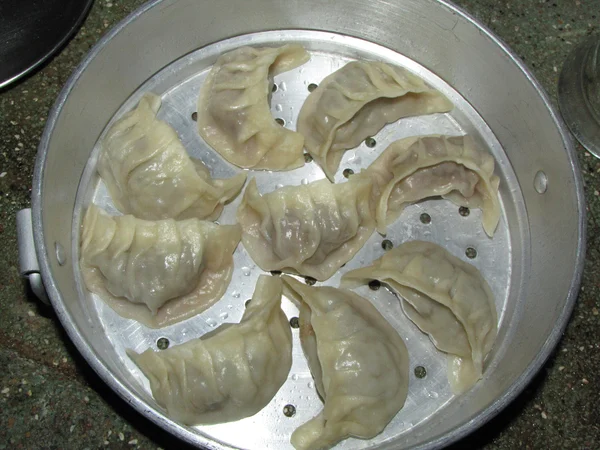
3. Momos and noodle soups are widely available and easy to compare across regions. Fillings may include yak or beef, mutton, vegetables or cheese; soups may contain meat stock even when the visible topping is vegetarian.
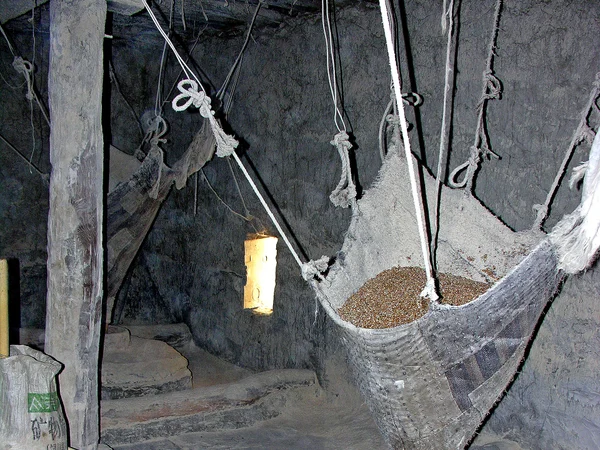
Choose a busy, clean kitchen where food is cooked thoroughly and served hot. At altitude, appetite can fall; a simple soup may be easier than a heavy banquet. 4. Yak and sheep dishes
include boiled, stewed, dried and stir-fried preparations. “Yak” on a tourist menu can be a broad marketing label, so ask the restaurant if species or sourcing matters to you.
Blood sausage and organ dishes are specific preparations, not universal daily food. Eat them only when freshly and thoroughly cooked; travelers who are pregnant or immunocompromised should be especially cautious with undercooked meat.
5. Dairy and yogurt can include butter, soft cheese, curds and fermented milk from yak–cattle hybrids or cattle as well as yak. Traditional production varies, and not every product is additive-free or made in one named county.
Four Drinks to Understand 1. Barley beer (chang or chhaang)
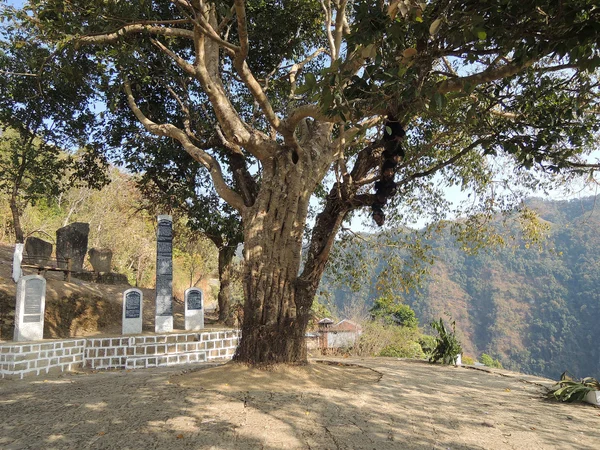
is a fermented drink whose strength varies by batch and serving. It is not equivalent to distilled barley liquor. Avoid alcohol during early acclimatization, before driving and when using medicines that interact with alcohol.
Marketing claims about pure glacier water, “no hangover” or health benefits are not quality guarantees. Choose sealed commercial products when labeling matters.
The drink can carry ritual and hospitality meanings. Decline gently if needed; participation is not required to show respect.
Local names and transliterations vary, so ask whether a menu means fermented beer or distilled spirit.
For a wider food context, compare the Chinese cuisine guide.
2.
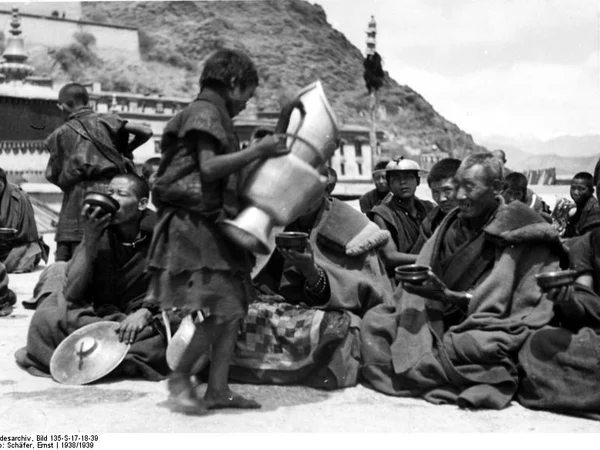
Salted butter tea is churned or blended rather than steeped like plain tea. Flavor and richness vary by household, restaurant and season. It supplies fluid and calories but cannot prevent or cure acute mountain sickness. Gradual ascent and medical response remain essential.
3.
Sweet milk tea
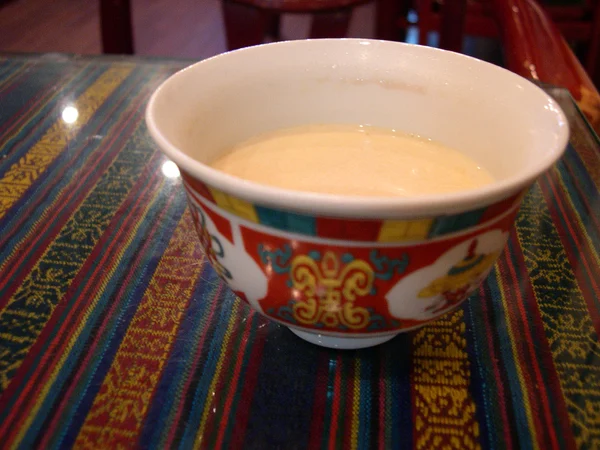
is especially associated with Lhasa teahouses and provides a social window into contemporary city life. It usually contains dairy and sugar; ask if you need either reduced. 4. Yogurt and fermented milk drinks
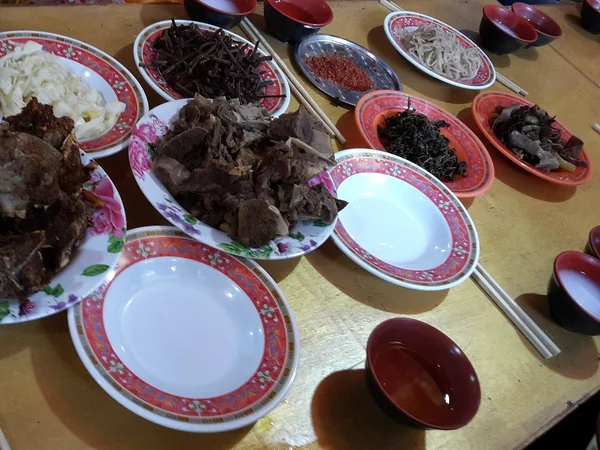
are linked with summer dairy abundance and the Shoton festival in Lhasa, whose contemporary program includes more than yogurt. Texture and sourness vary. A thick product is not evidence of probiotic potency, purity or a medical effect. Food-safety rules remain ordinary: clean hands, safe water, pasteurized or boiled dairy, fully cooked meat and reliable refrigeration.
If severe diarrhea, persistent vomiting or dehydration develops at altitude, seek medical help early because symptoms can complicate acclimatization.
Carry translated allergy information and the address of your accommodation; staff may need to show a cook the exact ingredient rather than rely on a broad label such as “no meat.”
Build a balanced meal by combining barley or noodles with a clearly identified protein and cooked vegetables. Vegetarian and vegan travelers should confirm broth, butter and animal fat explicitly. For a focused ingredient primer, read four staples of the Tibetan diet and the Tibetan food guide.