Regional Tibetan clothing developed through climate, pastoral or farming work, local weaving, trade, religious life and changing access to materials. Broad labels such as Ü-Tsang, Kham and Amdo are useful starting points, but they do not map neatly onto modern administrative borders or predict what every resident wears. Reviewed August 29, 2026.
A chuba or related robe, shirt, belt, boots, headwear, apron and jewelry can be combined in many ways. Gendered and marital conventions exist in some communities, yet they should never be treated as a universal code. Compare garments by cut, fiber, construction, occasion and provenance—not by romantic claims that one outfit is the “purest.”
Central Tibet: Lhasa and the Ü-Tsang Context
Lhasa wardrobes reflect pilgrimage, government, trade, urban employment and surrounding farming communities.
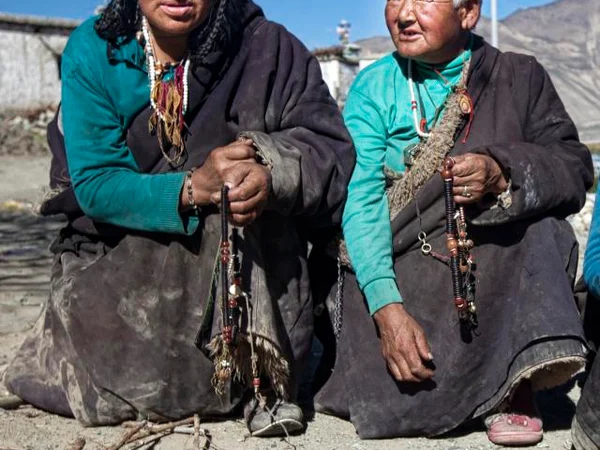
Rural and working clothing may favor durable wool, cotton layers and robes that can be adjusted during the day. Belting a long robe creates a practical upper fold, but the technique and hem height vary. An old description of “farmers' clothing” should not be applied to everyone outside the city.
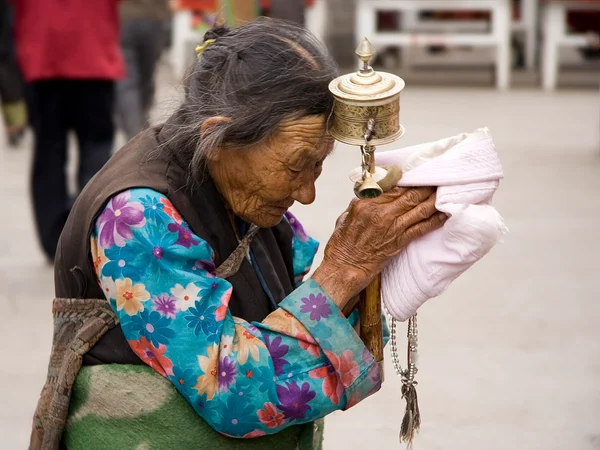
Urban and ceremonial clothing may use fine wool, silk or brocade with tailored shirts, aprons and jewelry. Modern shoes, business wear and outdoor jackets are equally normal. For garment names and present-day etiquette, use the men's and women's clothing guide.
Photographs from a festival show event dress, not an everyday uniform. Record the location, date and occasion before using an image to explain a region.
Northern Plateau: Pastoral Clothing and Severe Weather
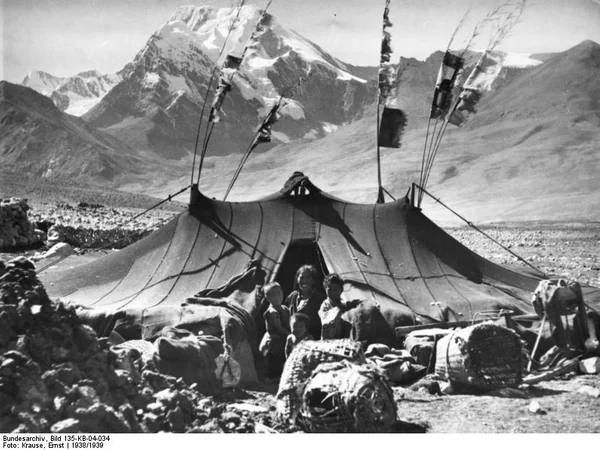
On the Changtang, large day–night temperature changes, wind and mobile work favor layered robes, sheepskin, wool, boots and head protection. Wearing one or both sleeves off the shoulder is a flexible temperature response, not a costume pose. Materials and animal products are increasingly shaped by regulation, markets and conservation concerns.
The fold of a belted robe can carry small items, yet exaggerated stories about carrying children or using every robe as bedding should not be repeated without local evidence.
Decorative edging, aprons and jewelry identify craft choices and occasion, not a simple rank. Photograph camps, livestock and people only with permission and do not leave an approved road to stage portraits.
Southern Tibet: Farming Valleys and Layered Textiles
Warmer farming valleys can support woven wool, cotton and lighter seasonal layers. Robes may be belted above the ankle for work, and sleeveless outer garments can reveal a contrasting blouse. Rain, irrigation, household tasks and market access matter as much as elevation.
Western Tibet: Local Headdresses and Ceremonial Dress
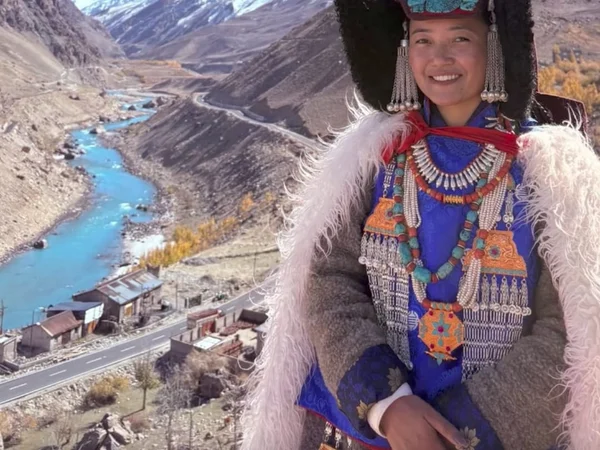
Western garments may combine wool or sheepskin with contrasting trim, woven aprons and distinctive head or back ornaments. Historic descriptions frequently use wildlife fur terms without verifying the actual material; modern buyers should avoid protected species and request a written material declaration.
So-called “peacock” styles
are local ceremonial traditions rather than a uniform of all western Tibetan women. English spellings of valleys and garment names vary, and origin stories are often community narratives instead of archaeologically dated facts.
Headdresses and long ornaments can be heavy, valuable and tied to family or festival identity. Ask before close-up photography; never touch, rearrange or request removal.
A responsible interpretation does not rank regions by colorfulness or claim a fixed count of more than 200 costume types. It records maker, wearer, community, occasion, fiber, date and how the garment was acquired. Browse
Tibet regions and cities to understand the geography, then see
Tibetan handcrafts for material and purchasing checks.

 Ask a Question