Your China & Yunnan Travel Experts

 Ask a Question
 Tibetan handcrafts connect household work, religious practice, regional materials and specialized workshops. “Handmade in Tibet” is not one style or quality grade: buyers should identify the maker, place, material, technique, intended use and whether an object is new, antique, sacred or made for visitors. Reviewed August 29, 2026.
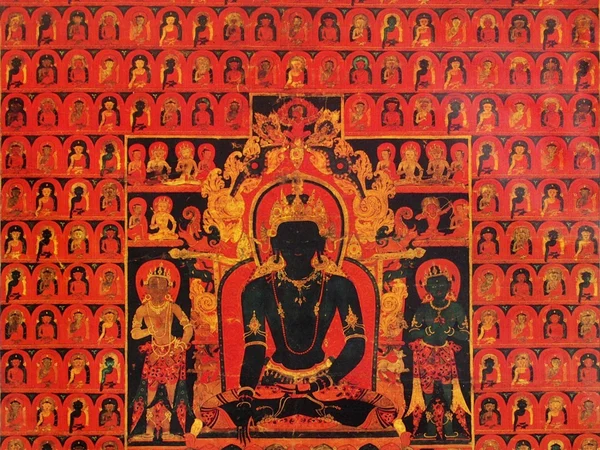
Thangka: a portable image used in Buddhist or Bon practice, teaching and devotion. Painted cloth, embroidery, appliqué and woven forms require different skills. Iconography follows learned systems; a decorative print and a commissioned, consecrated work are not interchangeable. See the thangka guide before buying or photographing one.
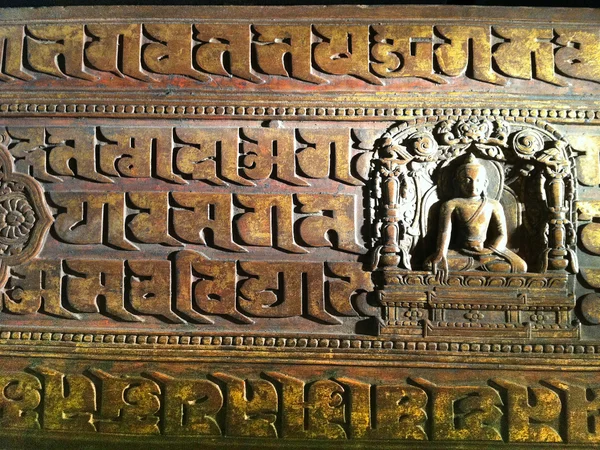
Woodworkers carve architectural brackets, furniture, shrine components, printing blocks and everyday objects. Species, joinery, pigment, workshop attribution and legal sourcing matter more than a generic “ancient pattern” claim. A printing block may carry religious text and should not be handled or exported as a casual souvenir.
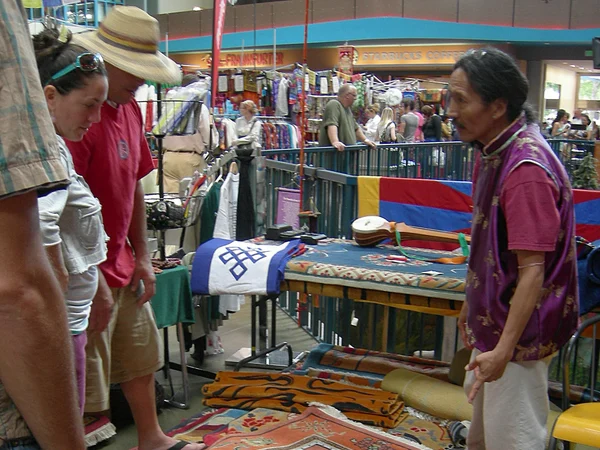
Tibetan rugs and cushions can use hand-spun or mill-spun wool, natural or synthetic dyes and different knot densities. Ask whether the piece is hand-knotted, where it was woven, what the warp and pile contain and whether colorfastness has been tested. Bright color alone does not prove age or authenticity.
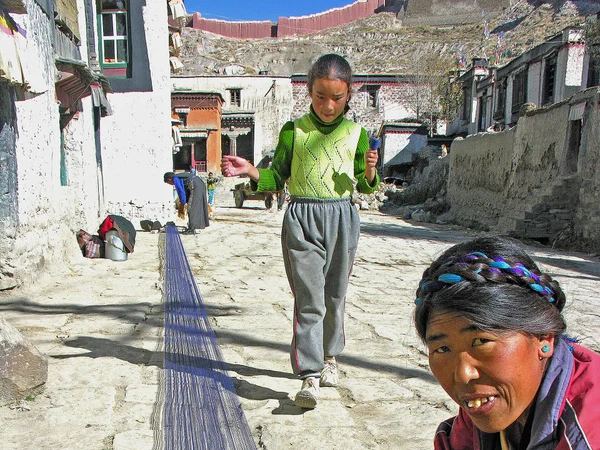
Handwoven wool cloth supplies robes, aprons, boots, bags and household textiles. Fiber may be sheep wool, yak fiber, blends or manufactured yarn. Touch alone cannot verify composition; request a written material description and care instructions.
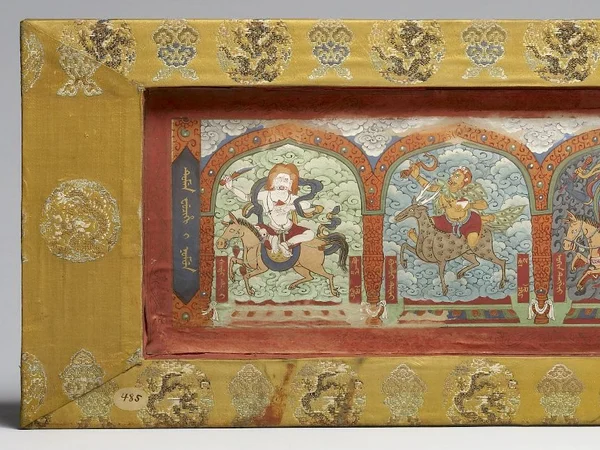
Plant, mineral and textual crafts: Traditional paper, incense and medical painting show how plant, mineral and textual knowledge enter craft. Do not purchase unlabeled pills, powders or wildlife ingredients as “Tibetan medicine”; health products require proper diagnosis, ingredients, dosage and lawful transport.
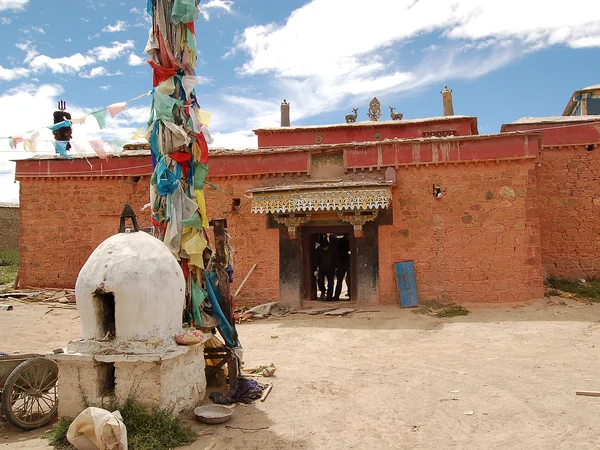
Prayer wheels, statues, gau boxes, beads and carved mantra stones can be newly made devotional objects, tourist products or protected heritage. Never remove stones, fragments or offerings from a sacred site. Ask whether an item has been used or consecrated and whether selling it is appropriate.
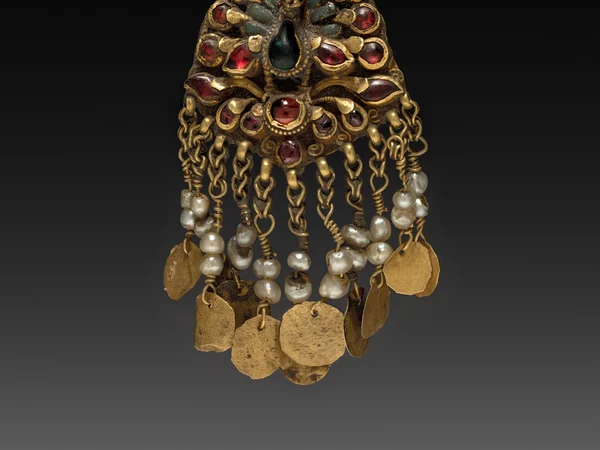
Jewelry may combine silver, copper alloys, gold, coral, turquoise, glass, resin and dyed stone. “Tibetan silver” is not a guaranteed metal standard, and color is not a gem test. Request metal fineness, stone identity, treatments and origin in writing; avoid protected coral and undocumented antique components.
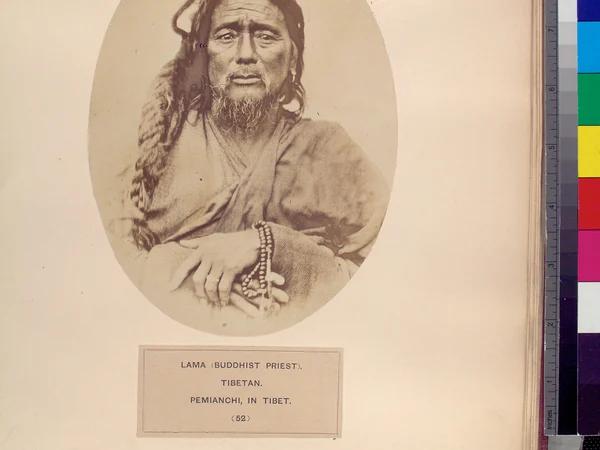
Buttons, beads and carvings may be sold as yak bone or horn, but visual inspection cannot reliably confirm species. Ask for a material declaration and check wildlife-import rules in both China and your destination. Do not buy ivory, protected shell, big-cat material or a seller's undocumented “old family piece.”
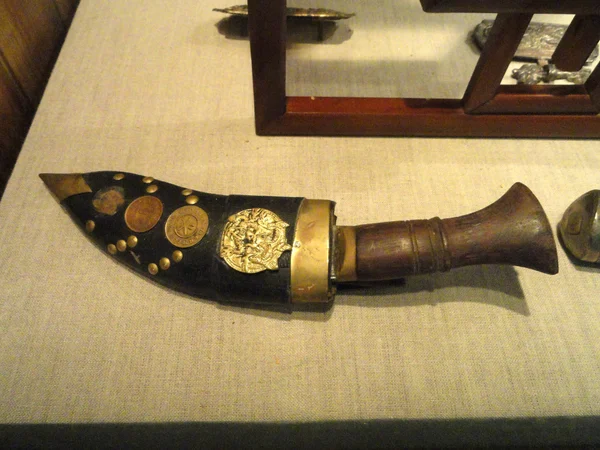
Decorated knives demonstrate forging, engraving, repoussé, inlay and sheath making, yet they are controlled objects rather than ordinary luggage. Rail, aviation, venue and customs rules may prohibit carriage. Buy only after confirming lawful packaging and transport; never carry a knife into a security checkpoint.
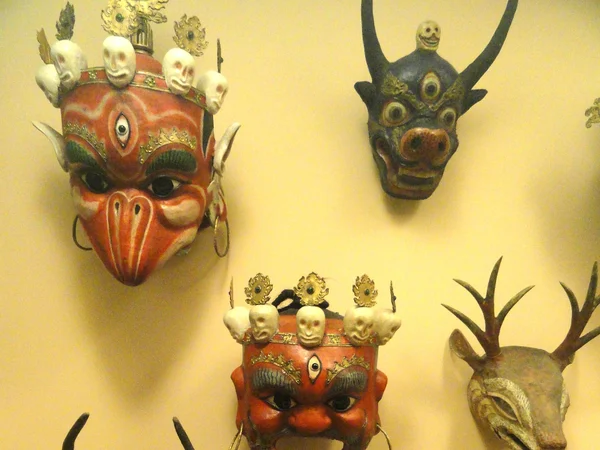
Masks serve Tibetan opera, cham dance, ritual display and contemporary performance. Character meanings vary by genre and local tradition, so a universal color chart is unreliable. Ask the maker what tradition the mask represents and whether it was created for use, display or the souvenir market. Apply five checks to every craft: who made it, what it contains, how it was made, whether ownership and export are lawful, and how it should be cared for. Keep an itemized receipt and photographs. Use the Chinese handicraft guide for wider provenance checks and traditional Tibetan houses to see crafts in architectural context.