Your China & Yunnan Travel Experts

 Ask a Question
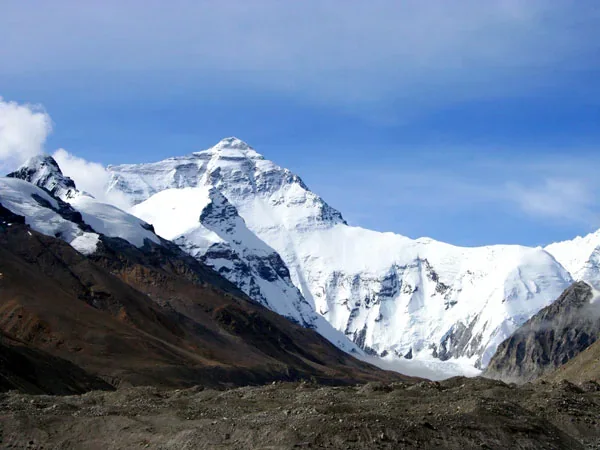
Mount Everest—Qomolangma in Tibetan and Sagarmatha in Nepali—is Earth's highest mountain above mean sea level. These concise answers separate stable geography from records and statistics that require a date. For a topic-by-topic directory, use the Mount Everest facts hub.
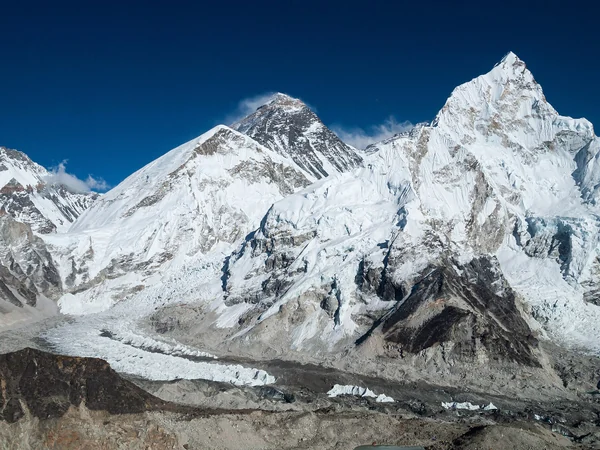
Yes, when mountains are ranked by summit elevation above mean sea level. China and Nepal jointly announced a snow-height elevation of 8,848.86 metres in 2020. Different older figures may use another survey, vertical datum or rock-versus-snow definition; the Everest height guide explains those differences.
Mauna Kea is taller when measured from its submarine base to summit, while Chimborazo's summit is farther from Earth's center because of the equatorial bulge. Neither comparison changes Everest's above-sea-level ranking; each answers a different measurement question.
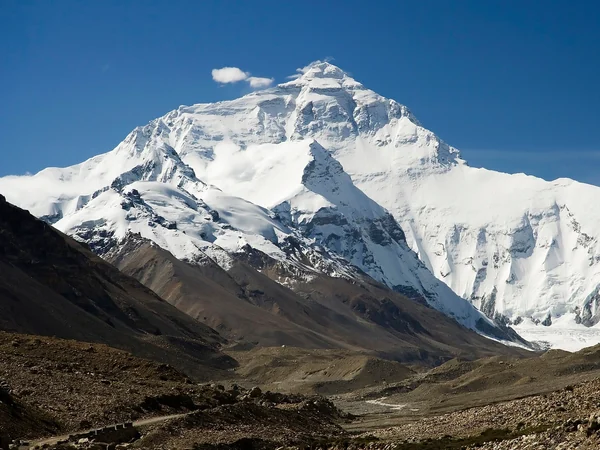
The international boundary between China and Nepal passes across the summit. Everest's north side lies in the Tibet Autonomous Region of China, and its south side lies in Nepal's Khumbu region.
Visitors cannot cross from one side to the other at the summit as an ordinary tour route. Tibet-side road access and Nepal-side trekking or expedition access use different permits, operators and logistics.
Saying the summit belongs exclusively to either country is misleading. It is a boundary peak jointly associated with both nations.
What Are the Main Names of Mount Everest?
Names of other Himalayan peaks such as Kangchenjunga and Dhaulagiri are not alternative names for Everest. Treating them as local synonyms confuses distinct mountains.
How Many Main Routes Climb Everest?
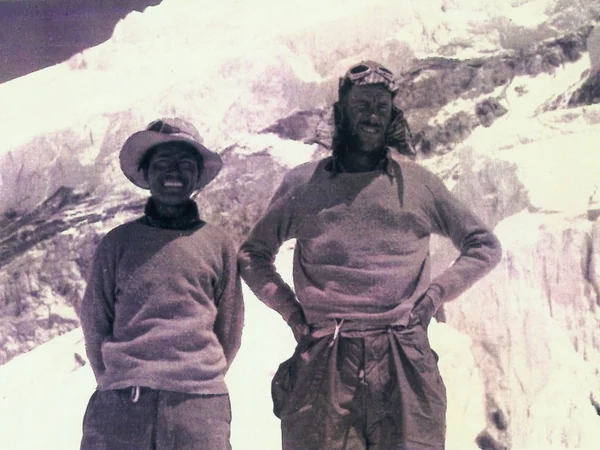
Who Made the First Confirmed Everest Ascent?
George Mallory and Andrew Irvine disappeared high on the north side in 1924. No decisive evidence proves they reached the summit, so responsible accounts preserve the uncertainty.
Reinhold Messner and Peter Habeler made the first ascent without supplemental oxygen in 1978; Messner completed the first solo ascent in 1980.
Who Is the Oldest Person to Summit Everest?
Tamae Watanabe of Japan summited in 2012 at age 73 and is widely recognized as the oldest woman to have reached the summit. These records describe extraordinary individuals, not a safe age guideline.
Who Is the Youngest Person to Summit Everest?

Who Holds the Fastest Everest Ascent Record?
Hans Kammerlander's reported 1996 north-side time used advanced base camp as the start and no supplemental oxygen. It belongs to a different category and should not be compared as if the conditions were identical.
Is Mount Everest Still Rising?
What Is the Death Rate on Mount Everest?
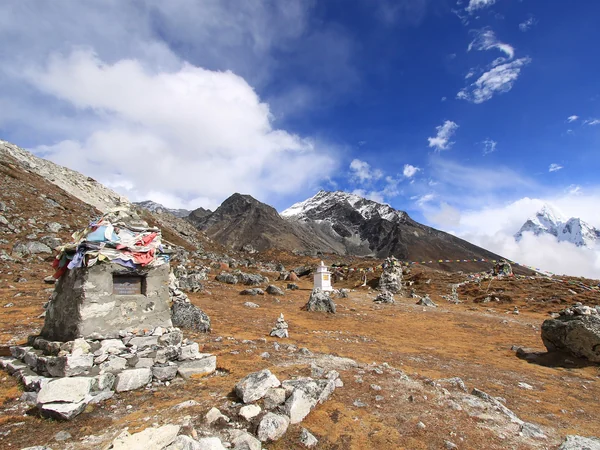
Everest remains an extreme-altitude environment with avalanche, fall, cold, weather and hypoxia hazards. Statistics do not predict an individual outcome and should never replace medical screening, experienced leadership, permitted operations and conservative turnaround decisions.
From $ 1637
From $ 3179