Your China & Yunnan Travel Experts


Chinese Table Manners

Chinese table manners are easier to understand as flexible hospitality than as one rigid national code. A family lunch, business banquet and neighborhood noodle shop have different levels of formality. Observe the host, ask when unsure and state dietary needs before dishes are ordered. The Chinese dining culture guide explains the wider meaning of sharing food.

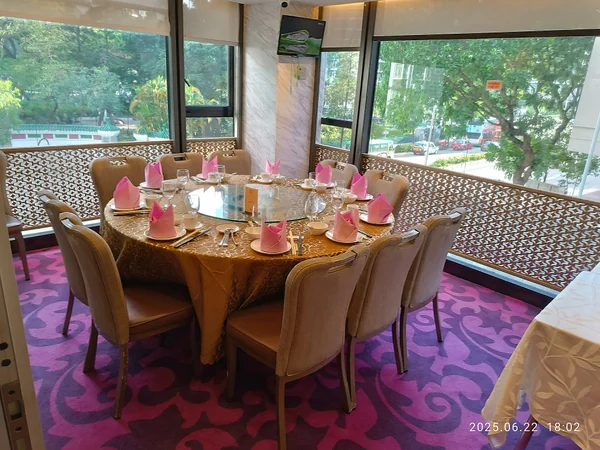
Formal round banquet table prepared for guests in a Chinese restaurant

Seating Arrangements
 

At a formal banquet, wait to be shown your seat. The host may place a senior guest or guest of honor in a prominent position, often facing the entrance, but room shape and local custom affect the arrangement. Casual restaurants rarely require careful rank. Let older guests sit first when the group is clearly following that convention.
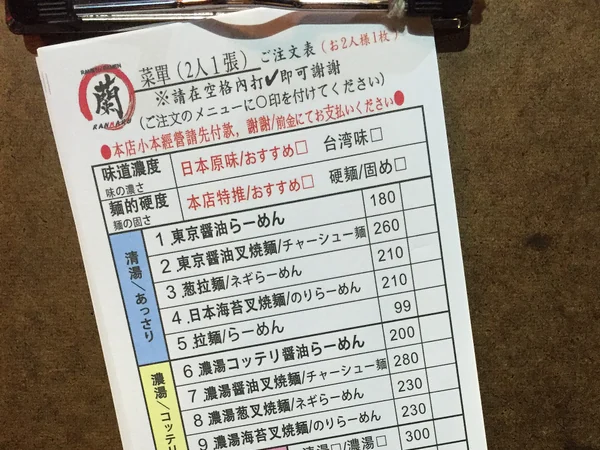
Diners reviewing a menu before ordering a shared Chinese meal

How to Order Dishes in China

One person, often the host, usually coordinates a shared order after checking preferences. A balanced table might include a vegetable, protein, tofu or egg dish, soup and staple food, with different cooking methods. Confirm portion size instead of using a fixed dish-per-person formula. The Chinese cuisine overview helps compare regional options.

Mention allergies, vegetarian requirements and alcohol preferences before ordering. “I cannot eat this” needs more explanation than “I do not like this” when cross-contact matters. Stocks, sauces and cooking oils can contain hidden animal products or allergens.
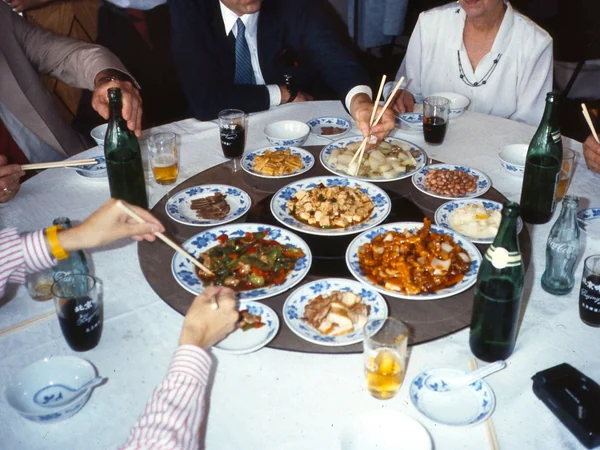
Shared dishes placed on the rotating center of a Chinese dining table

Eating Etiquette in China

Shared plates are normally placed in the center. Take a modest amount to your bowl and use public serving chopsticks or spoons when available. Rotate a lazy Susan slowly and check that nobody is reaching for food. Individual rice bowls, noodles and set meals are also common, so not every Chinese meal is communal.

A small bowl of lemon water served with messy seafood is for rinsing fingers, not drinking. Follow the restaurant's setup rather than assuming every banquet has the same course order.
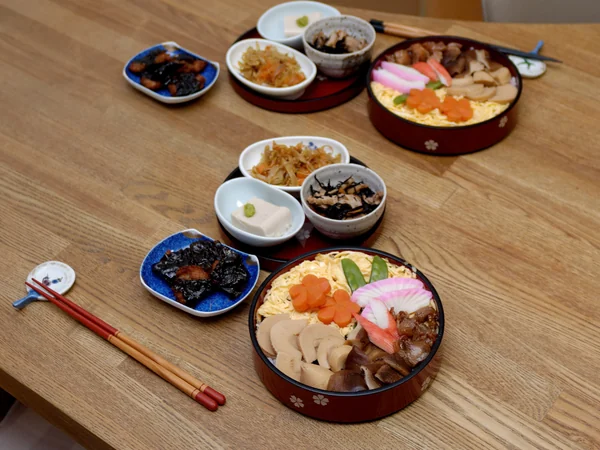
  1. Handle chopsticks calmly and keep them above your own place setting when not in use.
  2. Do not plant chopsticks upright in a rice bowl because the image resembles incense used in memorial rituals.
  3. Avoid pointing at people, drumming on bowls or moving communal food around with your personal chopsticks.
  4. Do not reach across another diner's chopsticks; wait for the lazy Susan or ask for the dish.
  5. A toothpick may be available, but cover your mouth and use it discreetly.
  6. There is no need to refill a rice bowl a prescribed number of times. Ask for the amount you can eat and reduce waste.
Chopsticks resting beside an individual bowl at a Chinese table setting

Drinking Etiquette in China

Toasts can be part of celebratory and business meals, but participation and intensity vary. “Gānbēi” is a toast, not permission to pressure someone into alcohol. Tea, water or a soft drink can be used instead. If you do drink, pace yourself and never let etiquette override medication, health or transport safety. The food safety guide covers other practical dining precautions.
  1. When offering a formal toast, make eye contact, hold the glass steadily and keep the message brief. Standing and using two hands can show respect in a formal setting, but copy the room rather than performing a rule mechanically.
  2. If several people toast, follow the host's order. Age and professional rank may matter at a formal event, while friends may ignore hierarchy entirely.
  3. When toasting several guests individually, follow the host's sequence and allow anyone to decline alcohol without embarrassment.
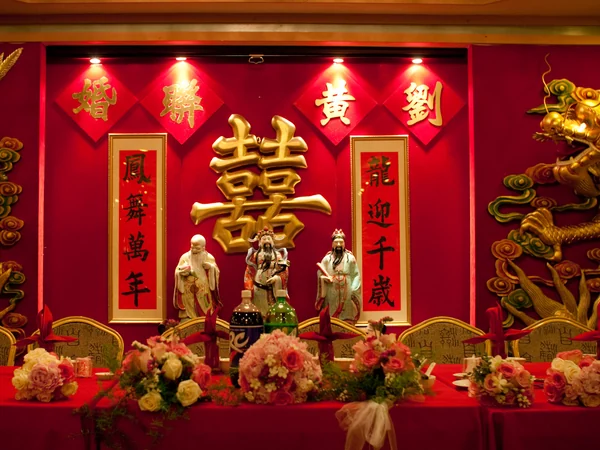
Chinese restaurant decorated for a wedding banquet reception

Leaving the Dinner  

Thank the host and say goodbye before leaving. If you must depart early, explain quietly rather than interrupting the whole table. Offering to host another meal can be warm, but it is not an obligation. Good table manners are ultimately about making companions comfortable, not passing a cultural test.

Open WhatsApp chat with YunSky Travel