Your China & Yunnan Travel Experts

 Ask a Question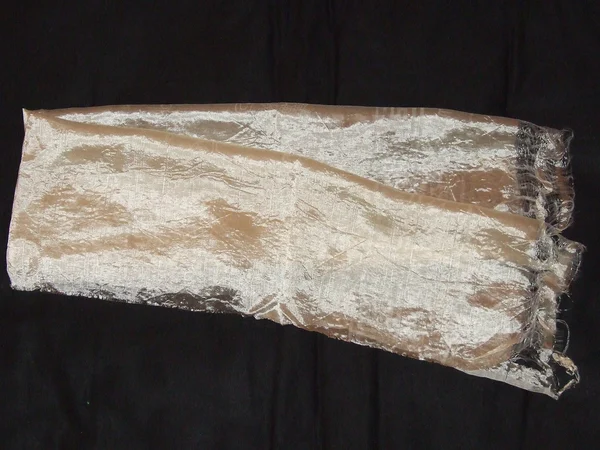
What Is a Khata? A khata—also written khatag, kata or hada in different languages and transliterations—is a ceremonial scarf used across Tibetan and neighboring Himalayan and Mongolian cultural settings. It can be offered in greeting, thanks, blessing, farewell, pilgrimage and religious contexts. There is no single size, fiber or ritual rule for every community. Reviewed August 29, 2026.
What Does a Khata Mean? The scarf commonly communicates respect, welcome and good intention. Meaning comes from the relationship, place and ceremony rather than from the fabric's price. In a monastery it may be presented as an offering or placed near a sacred image with permission; in a social setting it may mark arrival, departure, congratulations or gratitude.
White is widespread and is often associated with sincerity or auspicious intention, but blue, yellow and multicolored scarves also appear. Color meanings are not a universal code that a traveler should apply without local guidance. A five-color scarf may draw on Buddhist color associations, yet the appropriate choice depends on the event and community.
Historical records and museum collections show ceremonial scarves in Tibetan life over a long period, while contemporary practice continues to change. A khata is neither a tourist uniform nor a souvenir that automatically confers a blessing. Treat it as part of a living relationship and ask before staging photographs. The most respectful action is often to follow the host. If a family, guide or religious attendant offers a scarf, pause, receive it attentively and notice how others handle it. For wider context on craft materials and responsible purchasing, see Tibetan handicrafts.
Materials and Quality
Look for clean fabric, intact edges and an appropriate length for the intended use. A scarf for an altar, a formal presentation and a brief welcome may differ. Avoid antique or “monastery-owned” claims without lawful provenance, and do not remove scarves from shrines, passes or statues.

There is no reliable one-size-fits-all hierarchy of exact bow angles and hand heights. Formal religious offerings, greetings between peers and family celebrations follow different conventions. Use both hands when presenting or receiving if your host does so, keep the scarf clean and unfolded neatly, and wait for a cue about whether it goes around the neck, over the forearms or at an altar.
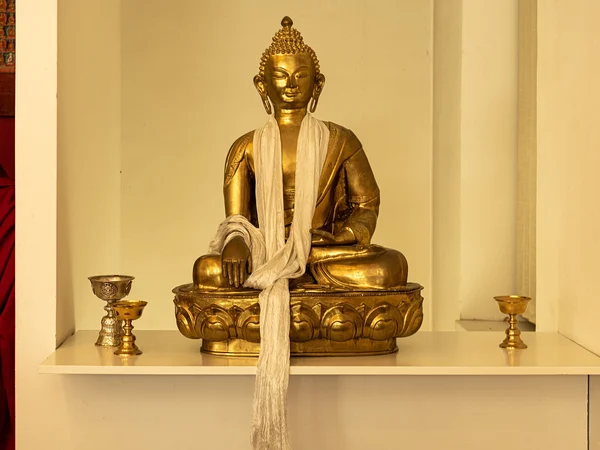
At a monastery, never place a scarf directly on a statue, throne or ritual object without permission. Some locations use a donation desk or attendant; others may return the scarf as a blessing. Photography, movement and dress rules can be stricter than the scarf etiquette itself. Review Tibetan religion before visiting sacred spaces.
When receiving a khata, do not immediately stuff it into a pocket, step over it or leave it on the floor. Hold it respectfully and ask how to store or carry it. If wearing it creates a safety problem—near machinery, cooking flames or while driving—explain and place it somewhere clean.
Children, elders and officials are not governed by a universal tourist chart. The old page's categories of “superior,” “subordinate” and mandatory placement oversimplified practice and could cause offense. Context and the recipient's preference take priority.
When Is a Khata Used?
Khatas may appear at weddings, funerals, New Year observances, religious teachings, pilgrimages, home visits, departures, graduations and public welcomes. The same scarf can carry a different tone at a joyful event and a memorial, so do not assume that a color or gesture means exactly the same thing everywhere.

Before an event, ask who will present the scarf, whether you should bring one, what material or color is suitable and whether photographs are welcome. Buy from a traceable shop, decline false “ancient” provenance and carry the scarf in a clean bag.
During the exchange, watch first, use both hands when cued, keep the fabric off the ground and avoid theatrical bows copied from an unrelated ceremony. If you make a mistake, a brief apology and willingness to follow guidance are more respectful than pretending expertise.
Afterward, store the scarf cleanly or follow local advice about reuse, display or return. For festivals where etiquette and access can vary by place and calendar, continue to Tibet festivals. Reconfirm arrangements locally because religious schedules and public access can change.