Your China & Yunnan Travel Experts

 Ask a Question
 Tibetan medical literature records how Sowa Rigpa scholars organized physiology, diagnosis, materia medica, preparation and professional conduct. The surviving tradition includes canonical treatises, commentaries, practical manuals, pharmacological works, manuscripts and illustrated teaching sets. These sources belong to different periods and purposes; they should not be collapsed into one ancient book or used as self-treatment instructions.
A traveler may encounter original manuscripts, woodblock editions, modern reprints or facsimiles. Ask the museum label for the object's date and provenance. The history of Tibetan medicine provides the wider chronology, while this page introduces four important textual categories without repeating unsupported counts or permanent medical claims.
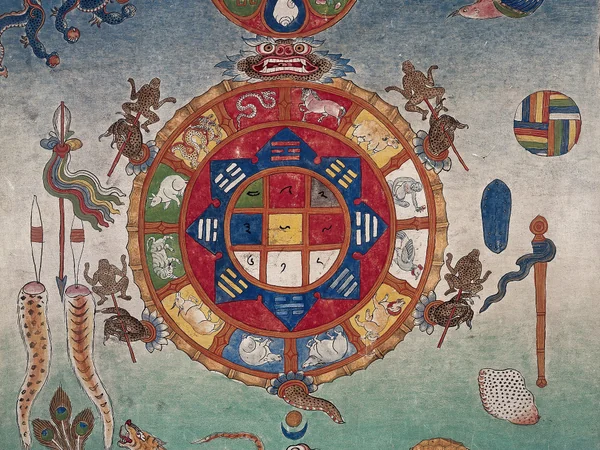
The Four Medical Tantras are the foundational corpus of Tibetan medicine. UNESCO's Memory of the World programme describes four parts: the Root Tantra, Explanatory Tantra, Oral Instruction Tantra and Subsequent Tantra, compiled across the eighth to twelfth centuries. The corpus addresses principles, diagnosis, disease classification, therapies and pharmacology within Sowa Rigpa. Later teachers produced commentaries and revised editions, so a displayed volume may represent one stage in a long transmission. UNESCO recognition concerns the documentary importance of surviving editions, not clinical endorsement of every historical instruction. See the Tibetan medicine overview for the concepts surrounding the text.
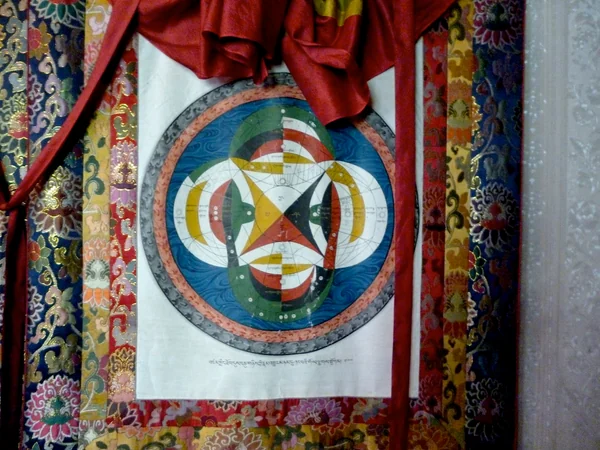
Shel Gong Shel Phreng is associated with the scholar Desi Sangye Gyatso's broader period of Tibetan medical scholarship and later materia medica traditions; English transliterations and attributions vary by catalogue. Works in this category compare medicinal substances by name, appearance, habitat and use. Exact ingredient totals differ between editions and modern summaries, so the reliable question is which edition an exhibition cites. Historical entries can include plant, animal and mineral materials that are toxic, protected or regulated today. Never buy or consume an ingredient solely because it appears in a revered text.
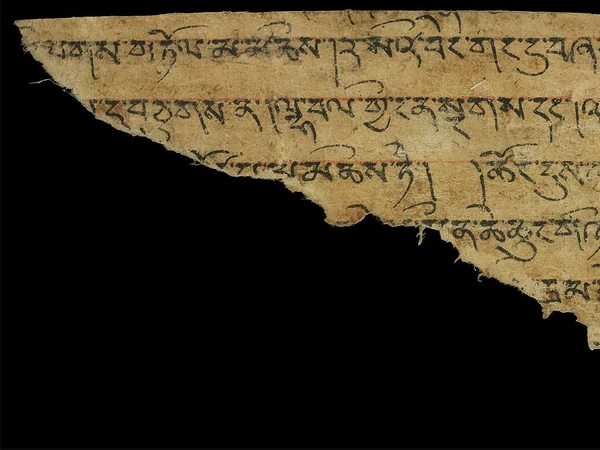
Texts known in Chinese transliteration as Yue Wang Yao Zhen are discussed as early records of Tibetan materia medica. Catalogues may give different titles, dates and item counts because manuscripts, translations and later compilations are not identical. Their importance lies in documenting regional knowledge and the classification of plateau resources. Travelers should avoid treating lists of alpine plants as proof that high-altitude origin makes a substance stronger, purer or safer.
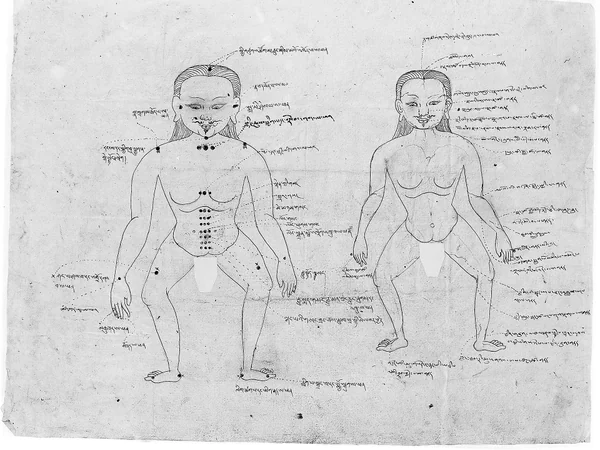
Tibetan-language manuscripts discovered among the Dunhuang collections preserve early recipes and medical material within a multilingual Silk Road archive. Individual fragments need palaeographic dating and scholarly reconstruction; a popular title such as “the remains of a Tibetan medicine book” can hide the fact that several manuscripts or fragments are involved. Museums and digital libraries are the appropriate places to explore them. Their presence demonstrates textual exchange, not an unchanged modern formula.
Illustrated materia medica and medical thangkas translate textual categories into images of plants, anatomy, diagnostic signs, instruments and treatment scenes. Some famous sets are linked with seventeenth-century Lhasa scholarship, while later copies reflect different workshops and teaching needs. Identification from an image alone is unsafe because similar-looking species can have very different properties.
These books are best approached as documentary heritage and evidence of intellectual exchange. Translation, edition and conservation history all affect interpretation. When planning a library or museum visit, confirm whether originals are displayed or whether access is limited to reproductions. For questions about products, side effects and medical claims, use the evidence-aware traditional Chinese medicine safety context and consult qualified healthcare professionals rather than relying on a historical recipe.