Your China & Yunnan Travel Experts

 Ask a Question
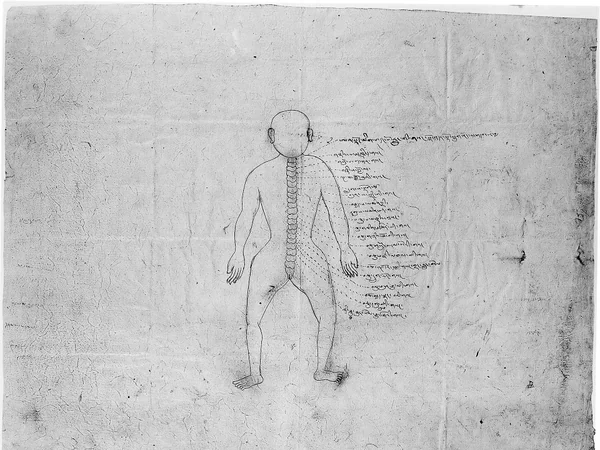
Traditional Tibetan medicine, widely known as Sowa Rigpa, is a medical knowledge system associated with Tibet and other Himalayan and Inner Asian communities. It developed through local plateau experience, Tibetan-language scholarship and long periods of exchange with South Asian, Chinese and other medical traditions, including but not identical to traditional Chinese medicine. It is inaccurate to give it one exact founding year, a single royal conference or one inventor. The Four Medical Tantras became its foundational textual corpus, while commentaries, materia medica, medical paintings, teaching lineages and institutions continued to shape practice. Its traditional framework discusses three dynamics often transliterated as lung, tripa and pekan, together with diet, behavior, diagnosis and compounded medicines. These categories belong to Sowa Rigpa and should not be translated as if they were identical to modern organs, pathogens or laboratory measurements.
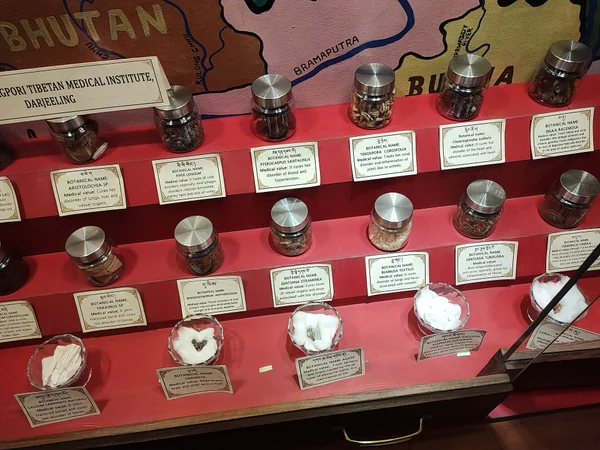
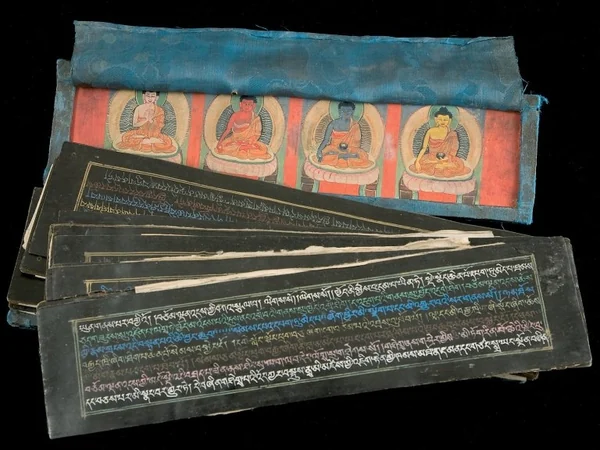
For travelers, Sowa Rigpa can be explored through manuscripts, museums, medical thangkas, medicinal-plant displays and visits arranged with appropriate institutions. First decide whether the purpose is cultural learning or healthcare, and use the wider Tibet travel guide to place a specialist visit within the route. A museum display can explain how texts, illustrations and raw materials were used in education; a hospital consultation involves individual medical decisions, consent and possible risk. Confirm visitor access, language support and photography rules before entering an active hospital or teaching site, and do not assume that every institution offers a tourist programme.
Cultural significance does not make every remedy proven or safe. Plant, mineral and animal-derived preparations may carry toxicity, interaction, contamination or conservation concerns, and procedures such as medicinal bathing require qualified supervision. A product's high-altitude origin is not evidence that it is stronger, purer or safer. Ask for a complete ingredient list, manufacturer, dose and legal status; tell a doctor or pharmacist about prescription medicines and supplements already in use. People who are pregnant or nursing, treating a child, preparing for surgery or managing liver, kidney, heart or other chronic conditions need particular caution.
Do not use a traditional product to replace urgent assessment, cancer care or other established treatment. Severe breathlessness, confusion, chest pain, neurological change or rapidly worsening symptoms require appropriate emergency care, especially at altitude. Movement practices such as those introduced in the qigong guide may provide cultural context but are not a substitute for diagnosis. The four guides below divide the subject into history, hospitals, books and safety questions so readers can continue without repeating the same background on every page. Historical pages explain how knowledge developed; the hospital page focuses on verifying current access; the book page treats manuscripts as documentary heritage; and the FAQ addresses side effects and unsupported medical claims.