Your China & Yunnan Travel Experts

 Ask a Question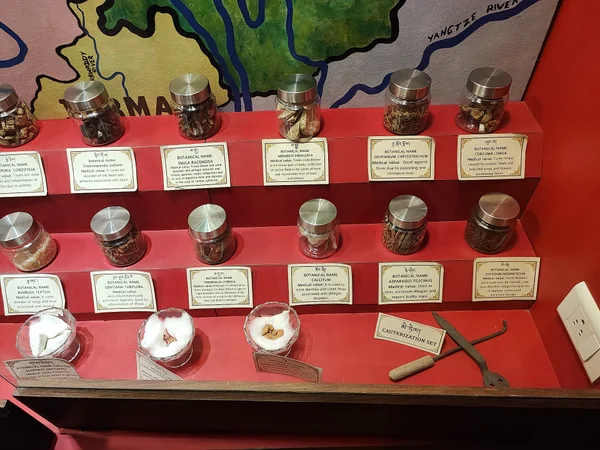
Tibetan medicine is not inherently free of side effects. Preparations may contain biologically active plant, mineral or animal ingredients, and safety depends on correct identity, processing, dose, product quality, the user's health and other medicines. Potential concerns include allergy, toxicity, contamination, heavy metals and drug interactions. Do not assume that “natural,” “rare” or “from the plateau” means safe. Ask for a complete ingredient list and manufacturer information, avoid unlabelled pills, and tell a doctor or pharmacist about everything you take. People who are pregnant or nursing, treating a child, managing liver or kidney disease, preparing for surgery or taking regular prescription medicine need particular caution. The Tibetan medicine overview explains the cultural system; it is not a substitute for individual medical advice.
There is no reliable basis for claiming that Tibetan medicine cures cancer. It must not replace or delay oncology assessment, surgery, radiotherapy, chemotherapy, targeted therapy, immunotherapy or other recommended care. A complementary practice should be discussed with the oncology team because herbal or mineral products can interact with treatment, affect the liver or kidneys, change bleeding risk or complicate interpretation of side effects. “Boosting immunity,” “balancing humors” and “prolonging life” are not adequate evidence for a cancer claim. Seek urgent medical help for severe symptoms, and report any supplement or traditional preparation by its label and ingredient list.
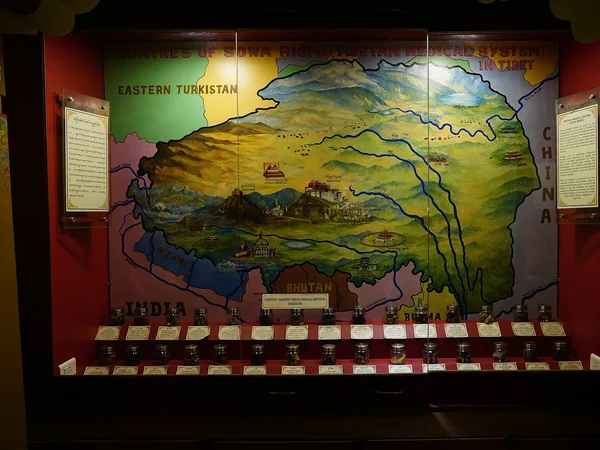
Sowa Rigpa developed in the environmental and cultural setting of the Tibetan Plateau and Himalayan regions. Its materia medica reflects regional plants, trade routes and textual exchange. Harsh growing conditions do not automatically make a plant more effective, and sunlight or altitude does not prove a higher therapeutic concentration. Species, harvest, processing and dose all require proper identification and quality control. For historical context, read the Tibetan medicine history.
Some traditional formulas include minerals or specially processed substances as well as herbs. Processing claims do not remove the need for toxicology, manufacturing standards and clinical monitoring. Gold, silver, copper, iron, mercury-bearing materials or gemstones should never be interpreted as nutritional trace elements that are automatically absorbed safely. Imported products may also be subject to customs, medicine and wildlife regulations.
Tibetan materia medica includes plant, mineral and historically some animal-derived ingredients. A museum collection may show raw materials that are not appropriate for sale or self-use. Modern product labels should identify ingredients, dose, manufacturer and legal status.
Commonly discussed natural materials include plants and fungi such as fritillary bulbs, gentian species, rhubarb, schisandra and cordyceps-related products, but common names can refer to different species and do not establish quality or benefit.
Cancer-related marketing claims should be treated with extreme caution. Laboratory interest in a plant compound does not show that a raw herb or commercial mixture treats cancer in people. Never replace oncology care with a traditional product.
Potentially hazardous or regulated ingredients include aconite species, ephedra, aristolochic-acid-containing plants, potent minerals and wildlife-derived materials. Toxicity, interaction and conservation concerns can be serious. Before buying anything, review the Tibetan hospital planning guide, verify the provider and discuss the exact product with an appropriate clinician or pharmacist.