Your China & Yunnan Travel Experts

 Ask a Question
 Tibetan clothing is not one fixed men's costume and one fixed women's costume. Robes, shirts, aprons, boots, hats and jewelry vary by region, livelihood, season, age, ceremony and individual choice. Terms recorded in older English sources can be local, inconsistently transliterated or applied too broadly, so this guide focuses on observable garments and respectful interpretation. Reviewed August 29, 2026.
The chuba—a long robe belted at the waist—is widely recognized, but cut, material and styling differ. Wool and sheepskin answer cold, wind and mobile pastoral life; cotton, silk, manufactured cloth and modern outerwear reflect trade, urban work and changing taste.
At festivals, weddings and religious events, carefully stored garments may appear alongside jeans, suits or hiking jackets. Traditional clothing remains living culture; it is not proof that a person lives an “unchanged ancient life.”
Everyday robes
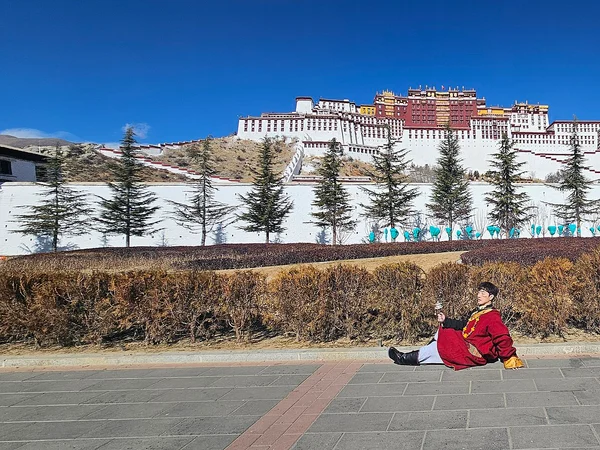
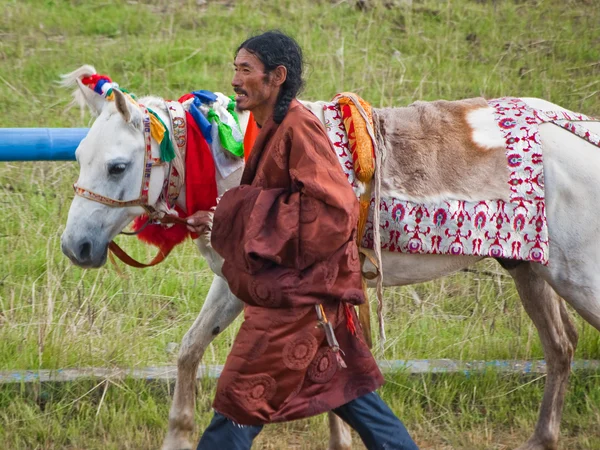
A belted chuba can be worn full length or hitched up for walking and work. The upper fold creates carrying space, while sleeves may be removed from the arms as temperatures rise. Shirt, trousers, boots and hat change with weather and occupation; no single color or collar identifies every community.
Winter robes may use sheepskin, felted wool or layered textiles. Long sleeves and a generous cut provide warmth, but visitors should not describe practical adaptation as a theatrical “warrior look.” Fur type, decoration and access to materials differ by household and period.
Formal and festival clothing
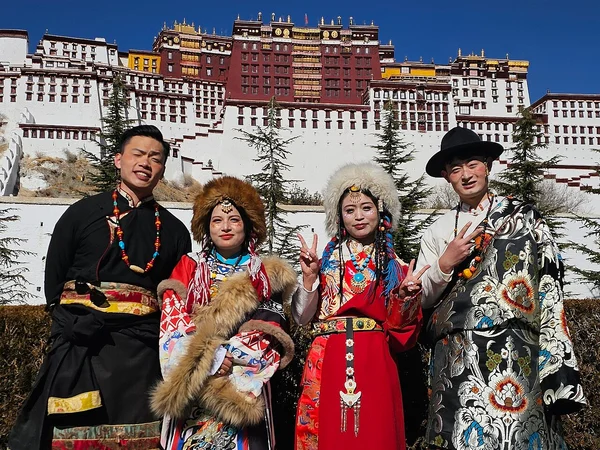
Ceremonial dress may use fine wool, silk, brocade, contrasting trim and carefully arranged pleats. Quality is visible in weaving, tailoring and repair as much as in ornament. A newly made garment can be culturally authentic; age alone does not establish value.
Accessories can include a gau amulet box, belts, jewelry and tools. Religious objects should not be handled without invitation, and knives are subject to transport and security rules.
Boots and hats are regional and functional. Ask the maker about upper material, sole, stitching and intended use rather than assuming every colorful boot is suitable for winter walking.
Do not classify a person's status, beliefs or wealth from one accessory. Coral- or turquoise-colored pieces may be glass, resin, dyed stone or composite material; responsible sellers state this clearly.
Historical and performance dress
Armor, weapons and dramatic costume belong to specific historical, ritual or performance contexts. They should not be used as a generic description of present-day Tibetan men. See the Tibetan customs guide for conduct beyond clothing.
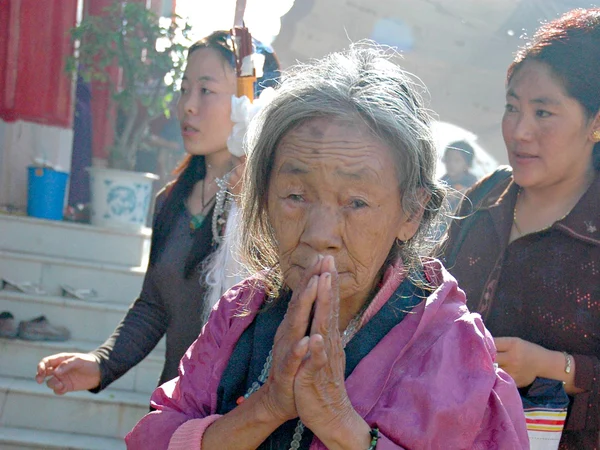
Women's clothing may combine a robe or sleeveless dress with a blouse, belt, boots, apron, coat, hat and jewelry. Cut and material differ across central, eastern, northern and western Tibetan communities; urban and rural wardrobes also overlap. The Tibetan clothing overview helps place these elements in a wider regional context.
The striped pangden apron is often associated with married women in central Tibetan contexts, but it is not a universal marriage badge across every Tibetan-speaking community. Life-stage conventions change, and visitors should not ask intrusive marital questions based on clothing.
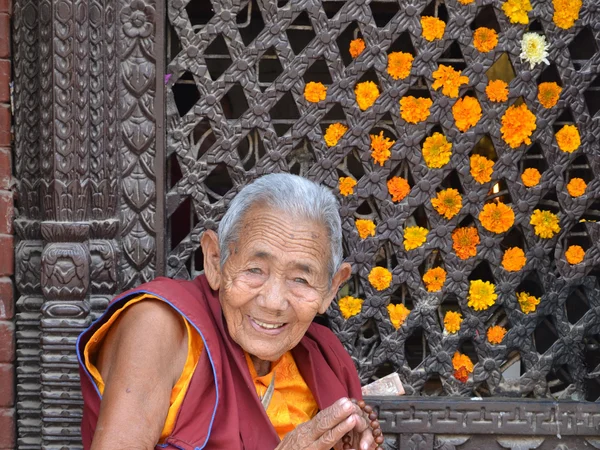
Festival dress can include elaborate headdresses, coral, turquoise, pearls, silver or gold-colored components. Materials may be inherited, borrowed or modern. Do not touch hair ornaments or ask a person to remove sacred or family pieces for a photograph.
For portraits, ask first, accept “no,” agree whether payment is expected and avoid blocking worship or work. When buying, request fiber, stone and metal descriptions in writing, check whether wildlife material is present and keep receipts. A khata is a ceremonial scarf rather than ordinary fashion; read the khata etiquette guide before presenting one.