Your China & Yunnan Travel Experts


 Ask a Question
Comparisons between Chinese and Western eating can prepare a traveler for unfamiliar restaurant routines, but neither side is a single cuisine. China contains many regional, religious and household traditions; “Western” covers equally diverse countries. The nine points below describe common patterns, not rules about every person. Use the Chinese cuisine guide to add regional context.
Chinese menus may include textures and cuts less familiar to some visitors, such as lotus root, winter melon, sea cucumber, chicken feet or organ meats. These are ordinary ingredients in particular dishes, not proof that “Chinese people eat everything.” Wildlife protection, lawful sourcing and personal dietary choices still matter.
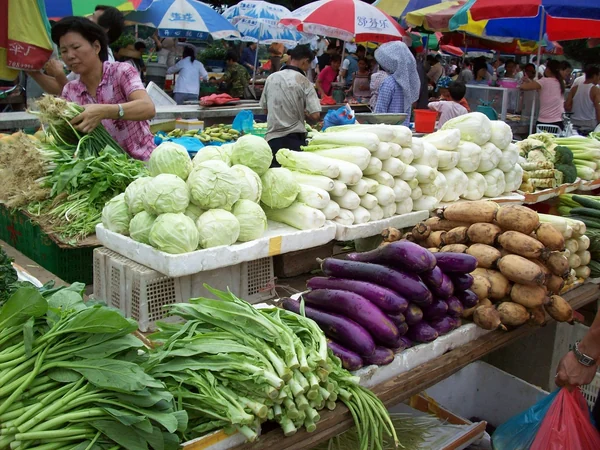
A market display of varied vegetables and tofu products
Interest does not require risk. Ask what an unfamiliar item is, avoid protected wildlife and do not treat shock-value food as representative of daily meals.
Soybeans appear as tofu, soy milk, fermented bean products and sauces. Their roles vary by region and dish, just as dairy, grains and legumes vary across European and American cuisines.
Chinese kitchens build flavor with combinations of aromatics, fermented ingredients, vinegar, soy sauce, sesame oil, chili, Sichuan pepper and many regional seasonings. Not every dish is spicy, and “Chinese flavor” is not one sauce.
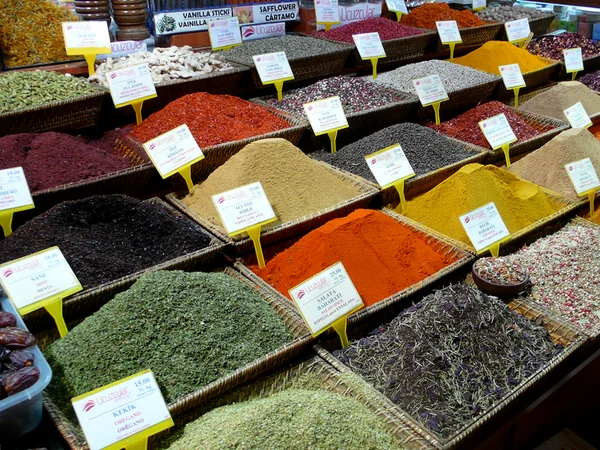
Aromatic seasonings used in a Chinese kitchen
Western culinary traditions also use diverse herbs, fats, acids and fermented products. Comparing Sichuan chili-bean paste with French butter, Italian olive oil or Mexican chili as national opposites would be misleading; identify the specific cuisine and technique instead.
Stir-frying, steaming, braising, red-cooking, simmering, roasting, smoking and deep-frying all appear in Chinese cooking. Wok use is important, but ovens, grills and clay pots also have long and modern roles.
Western kitchens likewise do more than bake and boil. The practical difference for a traveler is often restaurant specialization: a dumpling shop, hot-pot restaurant and roast-duck venue organize ingredients and service in very different ways.
Vegetables in China may be quickly stir-fried, blanched, steamed or braised; raw salads also appear, especially in contemporary urban restaurants.
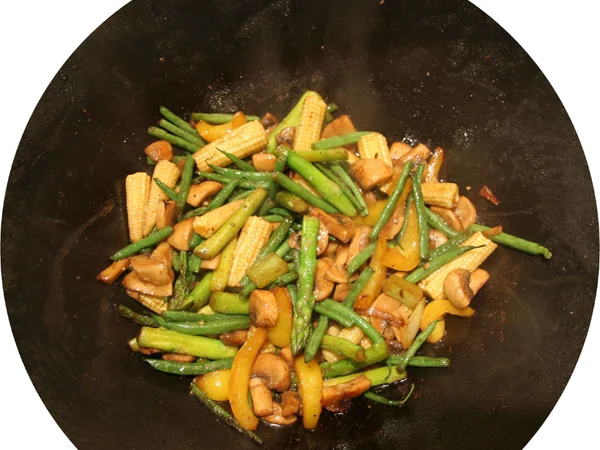
Cooked vegetables prepared for a shared meal
Many dishes use bite-size pieces suitable for chopsticks, while a whole fish or poultry dish may remain intact for presentation and sharing. Bones can be present in small pieces, so chew carefully and ask before serving children.
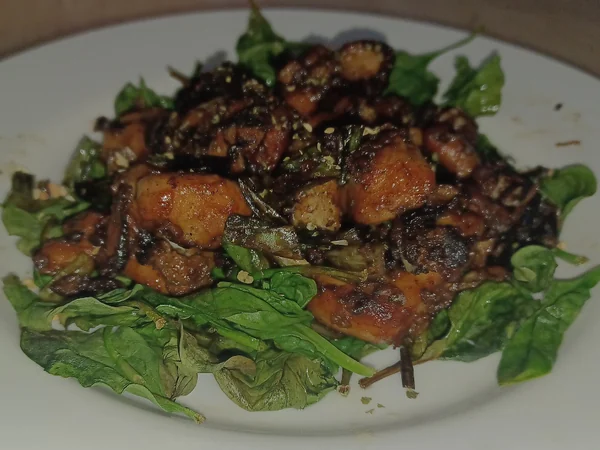
Bite-size ingredients ready for chopsticks
Shared dishes commonly sit in the center of a Chinese restaurant table. Each diner transfers a small portion to an individual bowl or plate. Noodles, rice bowls and set meals are often individual, so communal service is a pattern rather than a universal format.
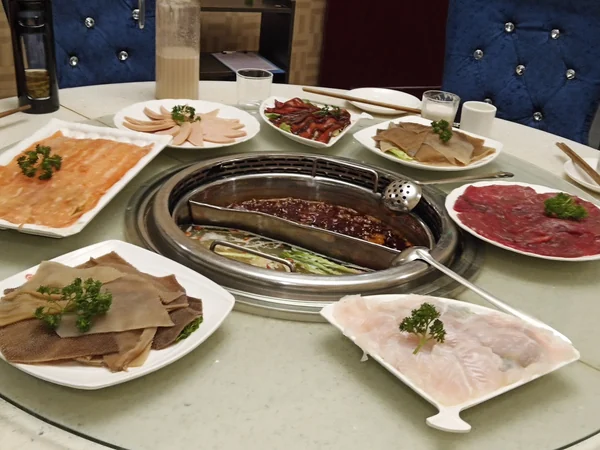
Shared dishes on a round table
In many Western restaurants, each guest orders a plated main course, though family-style service also exists. The useful adjustment in China is to coordinate the whole order and confirm portion sizes.
Round tables and lazy Susans are efficient for groups because everyone can reach shared dishes. Rotate slowly and check whether someone is serving themselves.
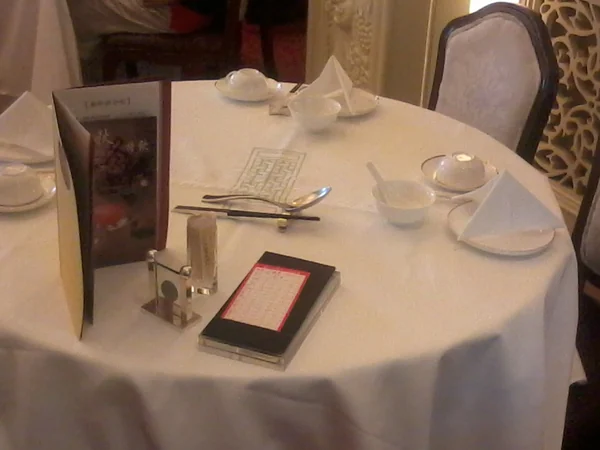
A round restaurant table with a rotating center
Roundness can carry associations of reunion, especially at family occasions, but square and rectangular tables are also common.
Furniture shape does not prove collectivism or individualism. Restaurant space, group size and service style provide simpler explanations. The Chinese dining culture guide explores the social context in more depth.
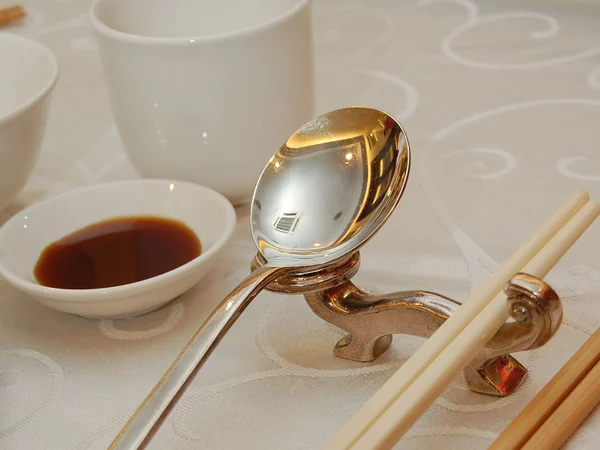
Chopsticks and a spoon are standard at many Chinese meals; knives usually stay in the kitchen because ingredients are cut before serving. Forks are available in many tourist-facing restaurants. Use public serving utensils when provided, and read the table manners guide before a formal banquet.
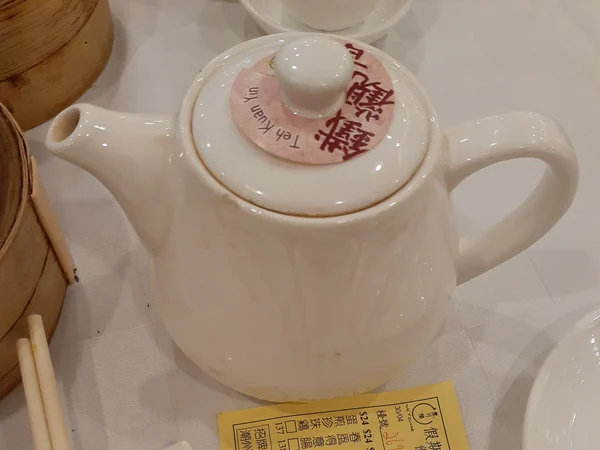
Tea or warm water may be offered at a Chinese table, while beer, baijiu, juice and soft drinks are common choices for groups. Availability, price and whether tea is complimentary vary by venue.
Tea served alongside a Chinese meal
Western drinking customs differ widely by country and occasion. In either setting, it is acceptable to decline alcohol and toast with a non-alcoholic drink.
Fruit may conclude a banquet, but Chinese dessert traditions also include sweet soups, pastries, tofu pudding, glutinous-rice sweets and regional bakery products. Cake and ice cream are common in contemporary cities.
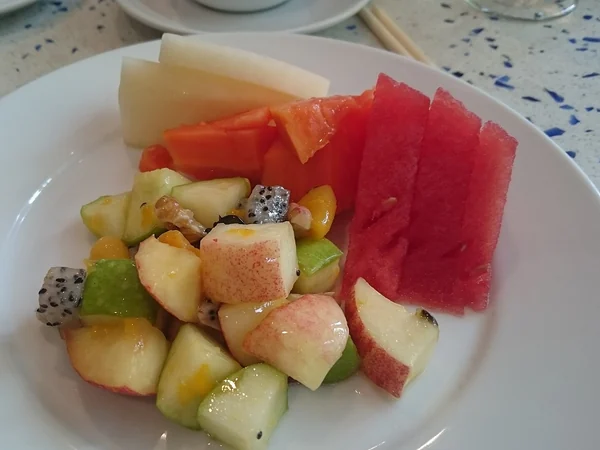
Fresh fruit served after a group meal
Treat the nine differences as questions to ask, not a contest over which cuisine is better. Specific region, venue and occasion explain more than national labels.
Plan meals around neighborhoods and travel days rather than building a route from famous-dish checklists alone. Markets are useful for ingredients, while specialist restaurants are better for dishes requiring particular equipment.
A shared Chinese meal
Tell a planner about allergies and religious restrictions , then compare suitable China food itineraries . Include desired spice level and comfort with street food. This turns cultural comparison into practical decisions and leaves space for individual preference.