Your China & Yunnan Travel Experts


Reviewed August 27, 2026. Indian travelers do not need a single “safe” Chinese menu; they need a way to match regional dishes with personal taste, religious practice and medical needs. Chinese food varies from Beijing roast duck and Xi'an noodles to Cantonese dim sum and Sichuan hot pot. Vegetarian, vegan, Jain, halal and allergy requirements are not interchangeable, and an English dish name cannot reveal stock, lard, oyster sauce, egg or shared cookware. This guide explains what to try, what to ask and when to choose a specialist restaurant.
Use three checks at every unfamiliar meal: identify the ingredients, explain what must be excluded, and confirm preparation with staff. Carry dietary wording in simplified Chinese and show it before ordering. For a serious allergy, use a professionally translated card that names the allergen and reaction, carry prescribed medication and avoid kitchens that cannot answer clearly. Drink sealed bottled, boiled or otherwise safely treated water; the U.S. Centers for Disease Control and Prevention advises travelers not to drink tap water in mainland China, even in major cities.
Start with the regional cuisine, not a generic expectation of “Chinese food.” The Chinese cuisine guide introduces the major flavor traditions. Ask the hotel or a trusted local source what the restaurant specializes in, order one signature dish and balance it with plain rice, vegetables or a mild soup. Travelers who avoid meat should ask specifically about broth and cooking fat; travelers with allergies should not rely on a menu photograph.
Dish one Peking Duck
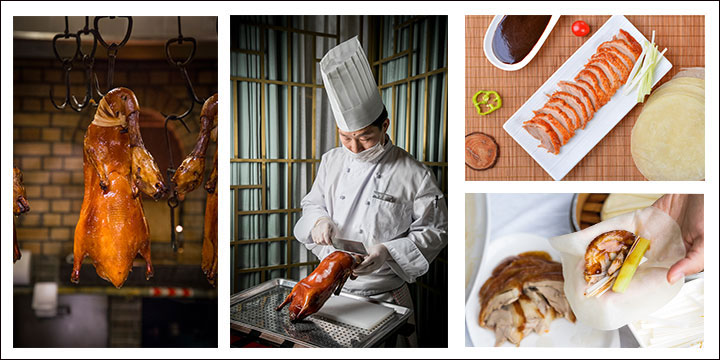
Peking duck is roast duck served in slices with thin pancakes, sauce and garnishes, often as a shared restaurant meal. It suits travelers who eat duck and wheat, but the sauce and kitchen may contain soy, sesame or other allergens. Ask about the full set before ordering, and choose a smaller portion or share with a group rather than treating it as an individual snack.
To eat it, place a small amount of duck, sauce and garnish inside a pancake and fold it. The skin and meat may be served separately, and the restaurant may offer a soup or second preparation from the remaining duck. Follow the server's explanation rather than assuming one correct ritual. It is not suitable for vegetarian, vegan or halal diners unless a credible specialist venue confirms sourcing and preparation.
Dish two Regional Noodles
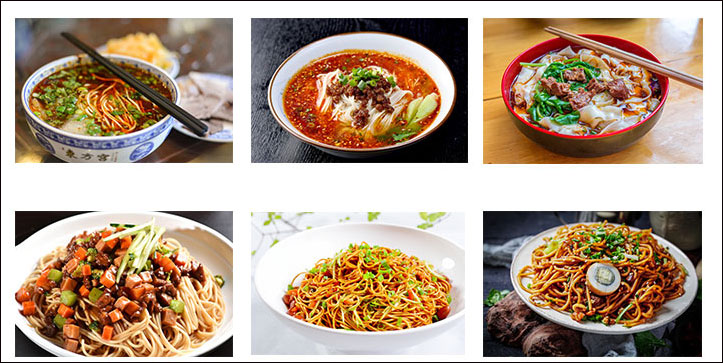
Noodles are a practical way to explore northern and western Chinese food, but “noodles” does not mean vegetarian. Broth may contain beef, pork or chicken; dry sauces can include minced meat, lard, oyster sauce or sesame. Ask “这个汤是素的吗?” (Is this broth vegetarian?) and “不要猪油” (no lard) when relevant, while understanding that a severe allergy requires a more precise card. Lanzhou beef noodles are associated with hand-pulled noodles in a clear beef broth, commonly garnished with radish, coriander and chili oil. Many shops display the halal term “清真,” but travelers who follow halal practice should still check the establishment and their own requirements. The dish contains beef and is not vegetarian; ask for chili oil separately if heat tolerance is uncertain.
Other regional choices include Beijing zhajiang noodles with a fermented-bean meat sauce, Wuhan hot dry noodles with sesame paste, Chongqing noodles with chili and Xi'an biangbiang-style broad noodles. Tomato-and-egg noodles may look meat-free but can use meat stock. Name the ingredient you avoid rather than saying only “light” or “plain.”
Dish three Xiaolongbao
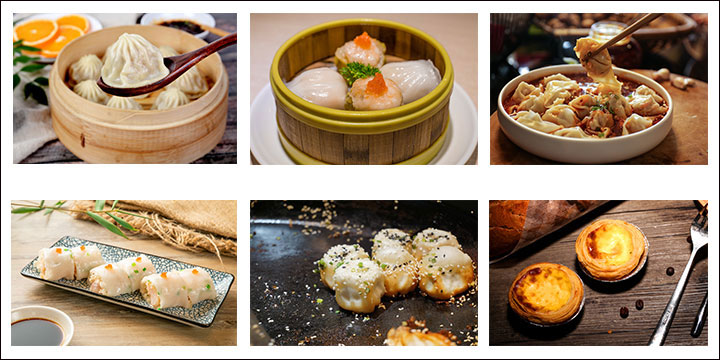
Xiaolongbao are delicate steamed buns associated especially with Jiangnan cuisine. A thin wrapper encloses filling and hot broth; pork is common, though other fillings exist. Lift one carefully, let it cool and bite a small opening before eating to avoid a burn. They contain wheat and may contain pork, shellfish or sesame depending on the recipe, so dietary suitability must be confirmed rather than inferred from appearance.
Dish four Chinese Hot Pot
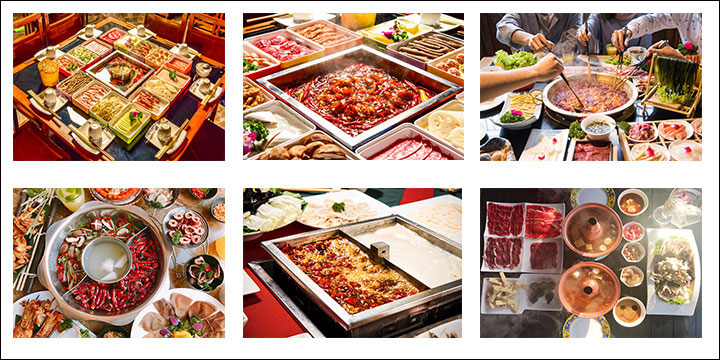
Hot pot is a shared meal in which diners cook ingredients in simmering broth. It can work well for groups because vegetables, tofu, mushrooms, noodles and meat are selected separately, but the broth and dipping sauce determine whether it is vegetarian, vegan, halal or allergen-safe. Request a divided pot only if the restaurant can keep the broths and utensils separate; splashing and shared tongs can still cause cross-contact.
Beijing copper-pot mutton, Chongqing hot pot and Sichuan hot pot are distinct experiences. Sichuan and Chongqing versions often use chili, Sichuan pepper and beef fat; a “tomato” or mushroom broth may still contain animal stock. Ask “可以做全素锅底吗?” (Can the broth be made fully vegan?) and confirm oil, stock and shared utensils. Order heat conservatively because spice can build during the meal.
Regional cuisine five Cantonese Cuisine
Cantonese cooking includes far more than banquet seafood. Dim sum, roast meats, steamed fish, congee, clay-pot dishes and seasonal vegetables can suit different appetites, with an emphasis that is often—but not always—less chili-forward than Sichuan cuisine. Teahouses may use shared ordering slips or carts. Ask staff to identify fillings, because a vegetable-looking dumpling can contain shrimp or pork.
Representative dishes include char siu pork, white-cut chicken, steamed fish, wonton noodles and vegetable dishes such as blanched greens. Oyster sauce, dried seafood and meat stock appear frequently, so vegetarian diners should request “不要蚝油,不要肉汤” (no oyster sauce, no meat stock). A plain steamed dish can still carry an allergen from sauce or a shared steamer.
Regional cuisine six Sichuan Cuisine
Sichuan food is known for layered seasoning, not simply maximum chili. Pickled vegetables, fermented broad-bean paste, garlic, ginger, chili and Sichuan pepper create different combinations of aroma, salt, heat and numbing sensation. Diners new to málà flavor can ask for a lower heat level, order plain rice and combine one bold dish with milder vegetables. “Not spicy” is a preference, not an allergy statement.
Classic dishes include mapo tofu, kung pao chicken, twice-cooked pork, dry-fried green beans and fish-fragrant eggplant. Mapo tofu often contains minced meat; green beans and eggplant may use pork or stock. Ask “不放肉末,可以吗?” (Can it be made without minced meat?) and confirm whether the sauce remains suitable. Peanut, sesame and soy are also relevant allergens in many kitchens.
Everyday option Markets and Street Food
Night markets and snack streets can be enjoyable, but choose stalls with high turnover, food cooked thoroughly in front of you and clean separation between raw and cooked items. The WHO Five Keys emphasize cleanliness, separation, thorough cooking, safe temperatures and safe water or raw materials. Skip food that has sat lukewarm, raw garnishes washed in uncertain water or seafood held without adequate chilling.
Common snacks include jianbing-style savory crepes, grilled skewers, dumplings, wontons, rice rolls and regional pastries. Ingredients vary by vendor. Ask the price before ordering, watch which oil and utensils are used, and choose a fixed restaurant when a dietary rule or allergy requires a reliable conversation. The China food-safety guide offers a fuller risk checklist.
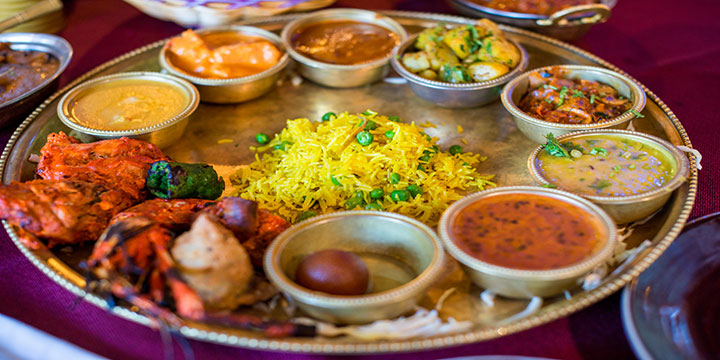
Indian restaurants are easiest to find in large business and visitor cities such as Beijing, Shanghai, Guangzhou, Shenzhen, Chengdu and Xi'an. Search near the actual hotel and confirm the current address, hours and reservation channel directly; old lists become inaccurate quickly. A restaurant described as Indian may focus on one region or adapt spice levels and ingredients for a local clientele, so review the menu rather than expecting every familiar dish.
Menus may include biryani, naan, dal, paneer, kebabs and meat curries, but availability and preparation vary. Vegetarian does not automatically mean Jain, vegan or free from onion and garlic. Contact the restaurant before arrival, state the requirement precisely and ask whether a separate pan or preparation is possible. For halal practice, ask about meat sourcing and the kitchen rather than relying on cuisine type.
Useful planning checks
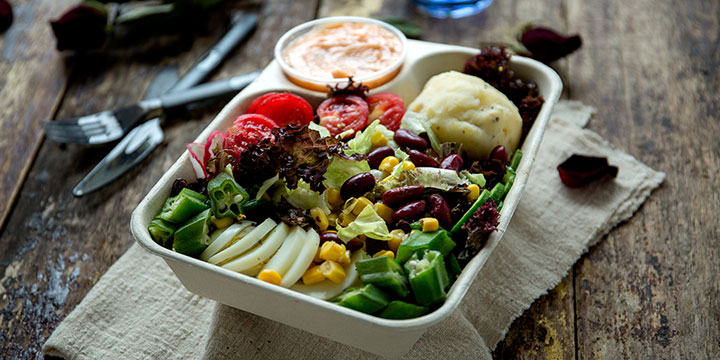
China has long-established Muslim communities and many restaurants marked “清真” (qīngzhēn, halal), especially in parts of northwest China and in large cities. Lanzhou noodle shops are common, but practice and certification can differ. The halal food in China guide helps identify regional options. Travelers should confirm meat sourcing, alcohol use and shared-kitchen expectations according to their own standard.
Vegetarian restaurants exist in major cities and near some Buddhist temples, yet “素” can describe different levels of restriction. Vegan travelers can say “我吃全素,不吃肉、鱼、蛋、奶” (I eat vegan food; no meat, fish, egg or dairy) and then ask about lard, stock and oyster sauce. Jain travelers should add exact exclusions such as onion, garlic and root vegetables; do not expect the word “vegetarian” alone to communicate them.
Useful next checks
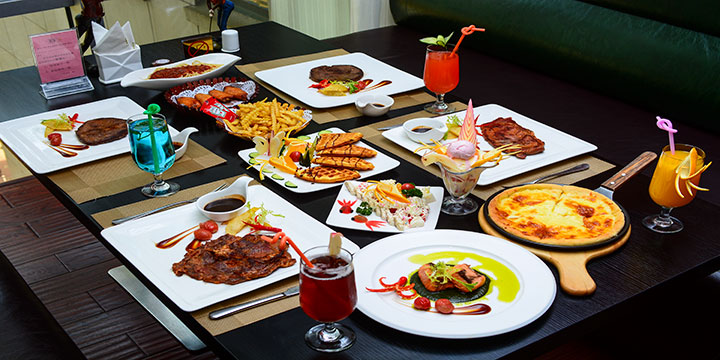
Large cities offer Japanese, Korean, Thai, Vietnamese, Middle Eastern, Italian and other international cuisines. These can provide variety, but a familiar cuisine label does not guarantee familiar recipes or dietary compliance. Curry may contain fish sauce, dairy or meat stock; pizza may use animal rennet; bakery items may contain egg or lard. Ask the same ingredient questions you would ask in a Chinese restaurant.
Use international food as a planned fallback, not evidence that local food is unsuitable. A balanced route might include regional Chinese lunches, one Indian dinner after a long transfer and a specialist vegetarian or halal restaurant where the day's logistics support it. Keep restaurant addresses in Chinese, reserve when necessary and confirm payment methods.
A food-aware route
When requesting an itinerary, state allergies, religious practice and dietary preferences separately. A responsible operator can ask restaurants, but no operator should promise that an uncontrolled kitchen is risk-free.
From $ 1699

From $ 1591

From $ 1637
Editorial accountability
Hu Lei, CEO. The named owner is responsible for travel-planning accuracy and escalation of time-sensitive checks.
Yuntian Travel (Yunnan) Group is identified in its corporate profile as a licensed professional inbound travel service provider based in Kunming, China. Registration and travel-service documents can be requested before booking.
Page-specific references where cited, official destination, transport and entry notices, YUNSKY route-planning records, and direct provider confirmation before a booking is finalized.
Content is reviewed when rules, transport, access, pricing or route conditions change. Final availability and operating details are reconfirmed for each traveler’s dates.
Quality review: Page updated: