Your China & Yunnan Travel Experts


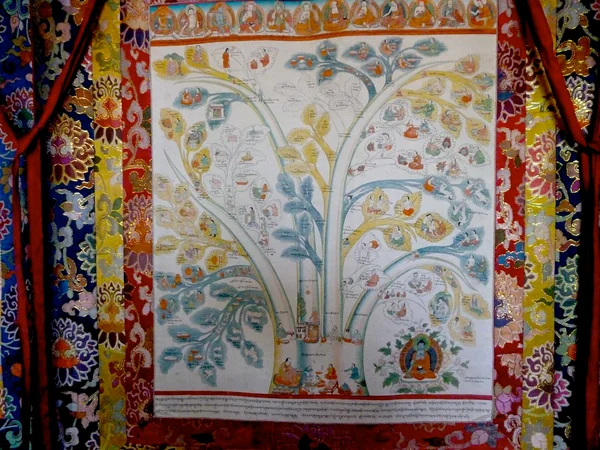
Communities on the plateau developed practical knowledge of diet, wounds, animal products, minerals and high-altitude plants long before a standardized medical literature appeared. Archaeology and early manuscripts can illuminate parts of this history, but claims that a complete Tibetan medical system existed thousands of years ago usually extend beyond the surviving evidence.
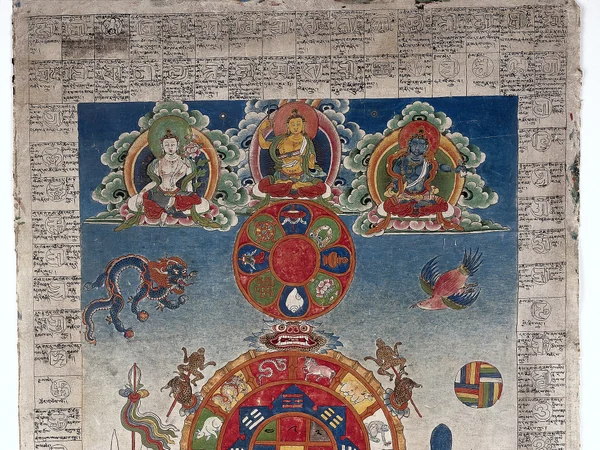
The Tibetan Empire created conditions for intensive translation and exchange with South Asia, China, Central Asia and other regions. Traditional narratives connect royal patrons and foreign physicians with this period. Specific inventories attributed to royal marriages are difficult to verify, so they are better understood as evidence of remembered exchange than as exact shipping lists.
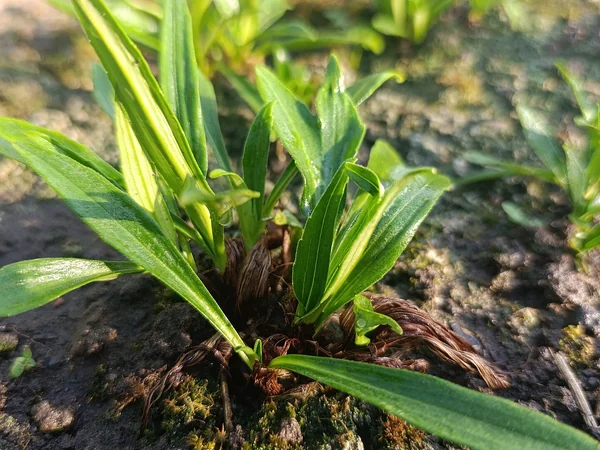
From the fifteenth century, scholarly and clinical lineages commonly described as northern and southern schools developed different emphases in materia medica, diagnosis and practice. Geography mattered because plant availability, climate and travel routes differed across the plateau and Himalayan regions. The labels are useful historical guides, not two uniform systems that replaced all local practice.
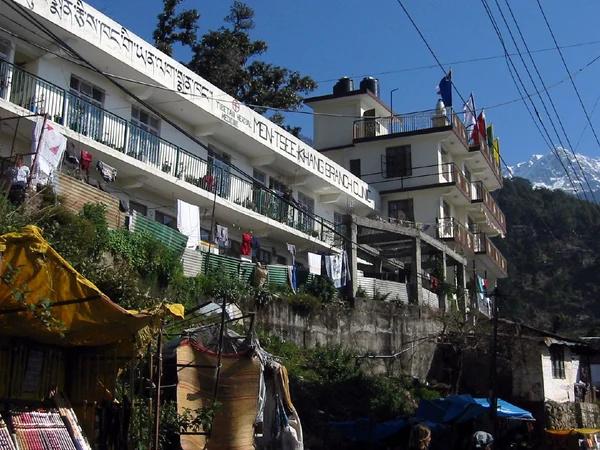
During the twentieth and twenty-first centuries, Sowa Rigpa became part of hospitals, colleges, research institutes, pharmacies and heritage programmes in several regions. Institutionalization brought standardized education and production alongside continuing lineage practice. Travelers should verify current access before visiting a hospital or school and should not assume that a cultural tour includes treatment. The Tibet travel guide helps place Lhasa and other regional stops within a realistic route. Contemporary clinical claims still need condition-specific evidence, product safety review and qualified care.
Editorial accountability
Hu Lei, CEO. The named owner is responsible for travel-planning accuracy and escalation of time-sensitive checks.
Yuntian Travel (Yunnan) Group is identified in its corporate profile as a licensed professional inbound travel service provider based in Kunming, China. Registration and travel-service documents can be requested before booking.
Page-specific references where cited, official destination, transport and entry notices, YUNSKY route-planning records, and direct provider confirmation before a booking is finalized.
Content is reviewed when rules, transport, access, pricing or route conditions change. Final availability and operating details are reconfirmed for each traveler’s dates.
Quality review: Page updated: