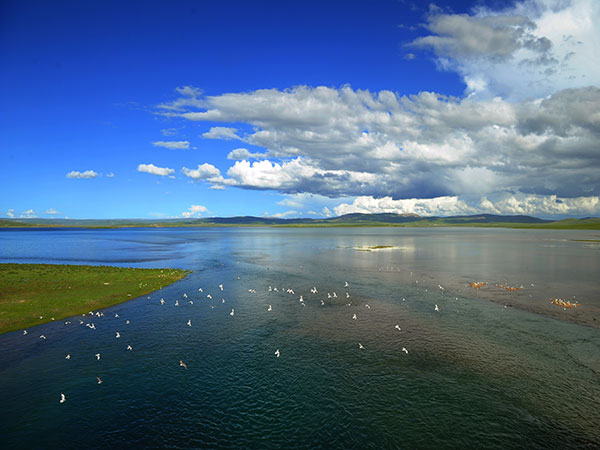
Reviewed: August 27, 2026. Spring in Tibet is a transition from the cold, dry season toward warmer and wetter conditions, with major differences between Lhasa, Nyingchi and high lakes or passes. Travelers arriving early should compare the
Tibet winter weather guide; blossom dates, lake thaw and mountain access are not guaranteed for a particular week.
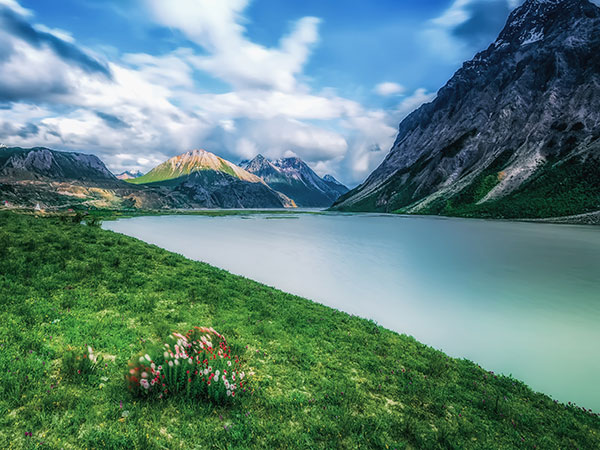
Tibet Weather in Spring: Climate and Travel Planning
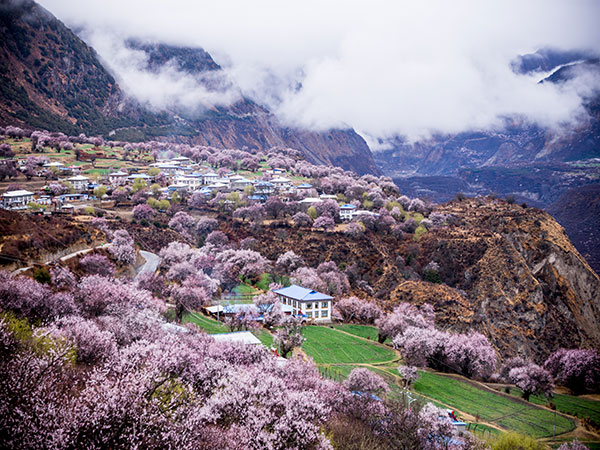
March through May is commonly treated as spring, but elevation and exposure matter more than the label. Nyingchi's lower valleys often warm earlier than central or western highlands, while snow and ice can remain on passes and beside high lakes. March favors a winter-capable packing list; April often offers a broader mix of valley walks; May moves closer to the wetter season. These are planning tendencies, not operating guarantees.
Large
day–night temperature ranges are normal planning considerations . Read the Tibet climate guide for regional context, then use current forecasts, traffic notices and scenic-area announcements. The retained table is a legacy Lhasa reference, not a whole-region forecast. Nyingchi, Shannan, Shigatse and Nagqu should be checked separately, and a high-lake day should never be planned from the Lhasa figure alone.
Legacy Lhasa Climate Snapshot for Spring (planning reference only)
|
Month
|
Mar
|
Apr
|
May
|
|
Average temperature (°C)
|
4.6
|
8.1
|
11.9
|
|
Precipitation (mm)
|
2.0
|
5.2
|
26.6
|
|
Days with precipitation
|
0.5
|
1.3
|
5.3
|
What to Wear in Tibet in Spring
1. Use a layering system with a breathable base, insulating mid-layer and wind-resistant coat. Pack for the coldest high-elevation stop, not the warmest forecast in Lhasa or Nyingchi, and carry the outer layer on every day trip. A compressible insulated jacket is useful when the vehicle climbs from a sunny valley into wind, snow or a cold viewpoint.
2. Choose broken-in walking shoes with grip and enough room for warm socks. Waterproof footwear is useful for slush or rain, but traction and comfort matter more than a heavy boot label; high heels are unsuitable for long walks and uneven monasteries or viewpoints.
3. Use comfortable base layers that dry reasonably quickly. Cotton can feel cold when damp, so hikers should select fabrics and spare layers appropriate to activity, laundry access and personal skin comfort rather than following a universal material rule.
4. A wide-brim hat, UV-protective sunglasses and broad-spectrum sunscreen help protect exposed skin and eyes. Reapply according to the product instructions; cloud and cool air do not eliminate high-altitude ultraviolet exposure.
Add gloves, lip balm, a compact waterproof layer and a dry bag for electronics. A daypack should leave room to remove layers during sunlit climbs and replace them before wind, shade or evening cooling. Bring spare camera batteries close to the body in cold weather, and avoid charging every device from one outlet when rural electricity is limited.
Spring Weather, Altitude and Route Checks
1. Spring can bring wind, dust, snow, rain, fog, lightning and rapid cooling. Check the forecast for the actual valley, pass or lake, and postpone exposed viewpoints or high roads when official warnings or closures apply. Do not let a blossom reservation or photography plan overrule a traffic-control decision.
2. Carry a compact shell rather than relying only on an umbrella, which is awkward in strong wind. Protect documents and electronics, and keep one indoor or lower-exposure alternative for a poor-visibility day. In Lhasa, this can mean a museum or carefully paced heritage visit rather than an exposed lake excursion.
3. Comfortable footwear prevents more problems than improvised remedies after pain begins. Stop and address hot spots early, keep feet dry and seek medical care for persistent swelling, injury or infection instead of relying on unsupported traditional explanations.
4. Spring is not uniformly Tibet's rainy or mosquito season. Food and water safety remain year-round concerns: use treated or sealed water, choose reputable kitchens, wash hands and do not infer hygiene from altitude or temperature. Keep meals simple on the first high-altitude day if nausea makes it difficult to distinguish diet discomfort from altitude symptoms.
5. Travelers prone to motion sickness should discuss suitable medicine and contraindications with a clinician or pharmacist before departure. Mountain roads involve repeated curves; sit where motion is better tolerated, keep ventilation comfortable and never self-dose from another traveler's prescription.
6. Blossom and bird photography must not disturb residents, wildlife or working fields. Use established viewpoints, ask before photographing people and keep drones grounded unless current national, local and site rules explicitly permit the flight. Festival dates and village access can change; verify the current organizer notice and avoid staging residents for a supposedly “authentic” scene.
7. On arrival at altitude, keep the first day light, avoid alcohol and strenuous exercise, and never climb higher to sleep while unwell. Severe or worsening symptoms require urgent professional help and descent where advised.
8. If the journey continues toward wetter months, use the Tibet summer weather guide and add road, landslide and thunderstorm buffers. Confirm current permits and organized-tour requirements before paying for restricted-area transport. Keep one buffer day before the outbound train or flight when a long road segment is involved.

 Ask a Question