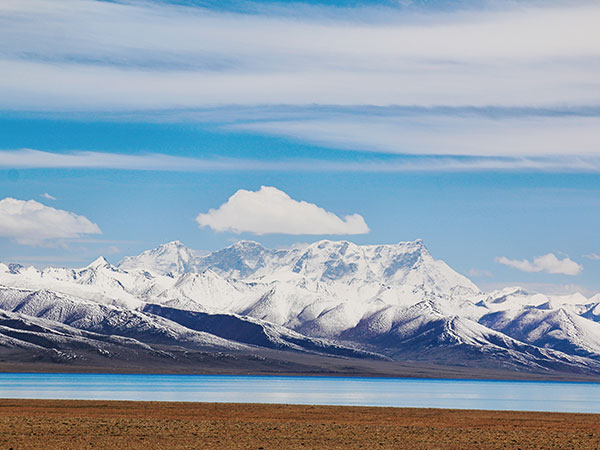
Reviewed: August 27, 2026. Winter can bring strong sun, dry air and lower visitor demand on some central Tibet routes, but it also brings freezing nights, snow and road ice. Travelers arriving in late autumn should first read the
Tibet autumn weather guide, then verify the current status of every high lake, pass and long road transfer. A compact central-Tibet route is usually more resilient than a rushed circuit that depends on several exposed roads opening exactly on schedule.
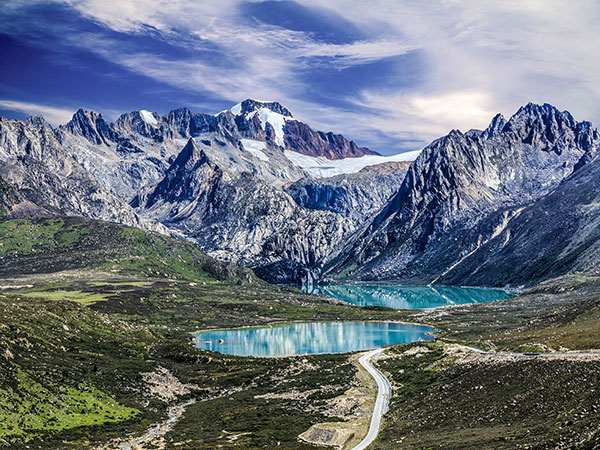
Tibet Weather in Winter: Climate and Travel Planning
December through February is not uniformly clear, warm or open. Lhasa's sunlit afternoons can feel milder than shaded streets, yet nights fall below freezing and exposed districts can be severe. Shigatse, Namtso, Nagqu, Ngari and high passes require their own forecasts and operating checks. The
Tibet climate guide provides regional context; the table below is a legacy Lhasa planning snapshot, not a forecast or a Tibet-wide average.
Legacy Lhasa Climate Snapshot for Winter (December–February; planning reference only)
|
Month
|
Dec
|
Jan
|
Feb
|
|
Average temperature (°C)
|
-1.7
|
-2.1
|
1.1
|
|
Precipitation (mm)
|
1.0
|
0.5
|
0.7
|
|
Days with precipitation
|
0.2
|
0.2
|
0.2
|
Why Consider Tibet in Winter?
• Dry-season light and clear-air potential
Lower precipitation can support bright views, but clear skies, warm afternoons and mountain visibility are never guaranteed. Build each day around the actual wind, snow and road forecast, and remember that shade and sunset can change thermal comfort quickly. A sunny city photo should never be used to imply that a distant pass is snow-free. Place the longest outdoor walk near midday, but keep sacred-site opening times and local access rules ahead of photography light.
• Lower demand—but not universal availability
Some central heritage sites may feel less busy than in summer, while seasonal services, hotel heating, restaurants and remote transport can be reduced. Check current opening hours, timed-entry rules and accommodation services directly instead of assuming every attraction is quiet and fully available. Respect worship, dress and photography rules even when a site appears uncrowded. Ask whether breakfast or an early departure can be supported before committing to a remote overnight.
• A slower central-Tibet itinerary
Winter can reward an unhurried Lhasa and Shigatse plan with museums, monasteries and flexible photography time. Use shorter outdoor blocks around indoor visits, and keep the final road day away from the outbound flight or train. A day trip is only worthwhile when the return road, daylight and traveler health leave a safe margin. Prices and promotions change, so compare the actual inclusions and cancellation terms; if dates extend into warming months, read the
Tibet spring weather guide.
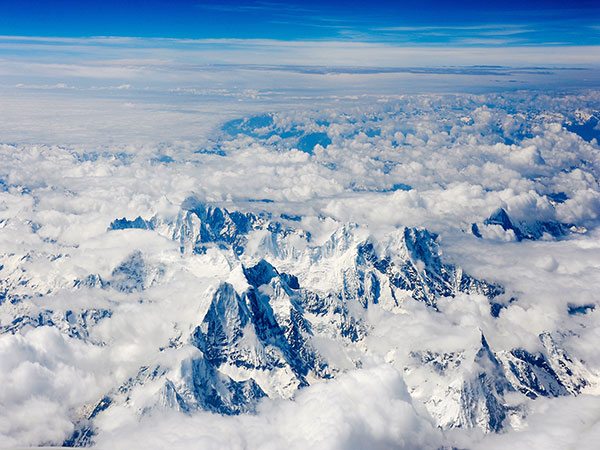
Winter Packing, Roads and Altitude Safety
1. Use a warm base layer, insulating mid-layer, windproof outer coat, hat, gloves and insulated footwear with grip. Confirm room heating and hot-water arrangements, and carry spare power because batteries discharge faster in cold conditions. Keep one complete warm set in hand luggage in case checked baggage is delayed. Avoid sweating heavily into insulation: open or remove a layer during a climb, then replace it before resting.
2. Strong ultraviolet exposure remains possible in winter. Pack UV-protective sunglasses, broad-spectrum sunscreen and lip protection; snow and water can increase glare, so protect both eyes and exposed skin. Dry indoor heating can also irritate skin and airways, making saline or moisturizer useful comfort items without presenting them as medical treatment.
3. Snow, ice, fog and wind can close or slow roads. Use authorized transport, wear a seat belt, avoid night driving and unmarked ice, and never insist that a driver continue because the itinerary was prepaid. Photography timing must remain secondary to safe access. At lakes, stay off ice unless an official, managed area expressly permits entry. Carry the driver's and operator's contact details offline because mobile coverage can be inconsistent on remote corridors.
4. Rhodiola and other supplements are not reliable substitutes for acclimatization or medical advice. Keep the first 24–48 hours light, avoid alcohol and strenuous exercise at first, stop ascending when symptomatic, and seek urgent help or descend for severe or worsening signs. Travelers with significant heart, lung, sleep or other medical conditions should obtain individualized high-altitude advice before departure.
Suggested Winter Route: Lhasa and Shigatse with flexible day trips Treat Namtso, high passes and border-area extensions as conditional on current permits, scenic-area notices, road status, weather and traveler health.

 Ask a Question