Your China & Yunnan Travel Experts

 Ask a Question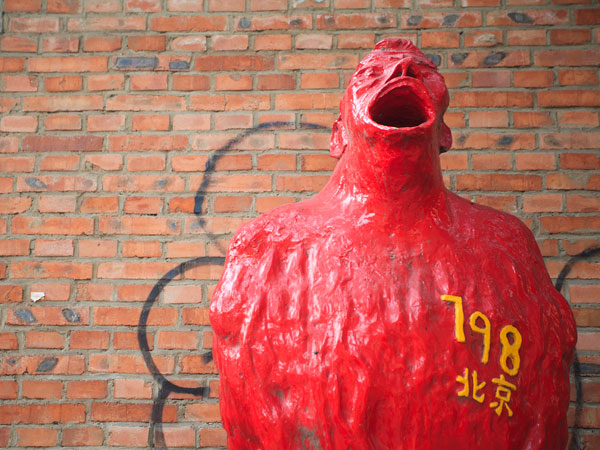
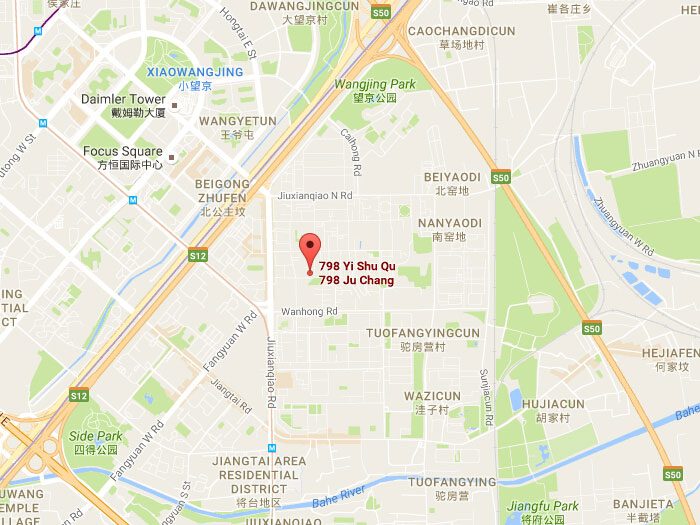
4 Jiuxianqiao Rd., Chaoyang District, Beijing, China
Suitble to see art exhibitions
“798” Art Zone is located in Dashanzi area, to the northeast of central Beijing. It was originally the site of factories including 798, a factory that produced electronics. The factory area is architecturally simple and honest, emphasizing utility. Its massive ducts and bright windows are seldom seen elsewhere. The halls were built using Soviet aid in the 1950s, with East Germany providing architectural and industrial design.
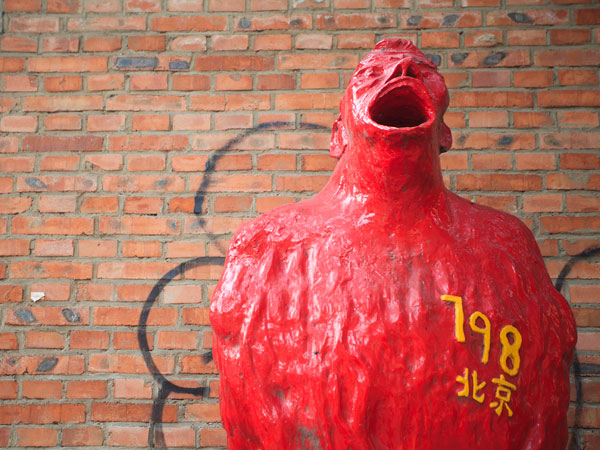
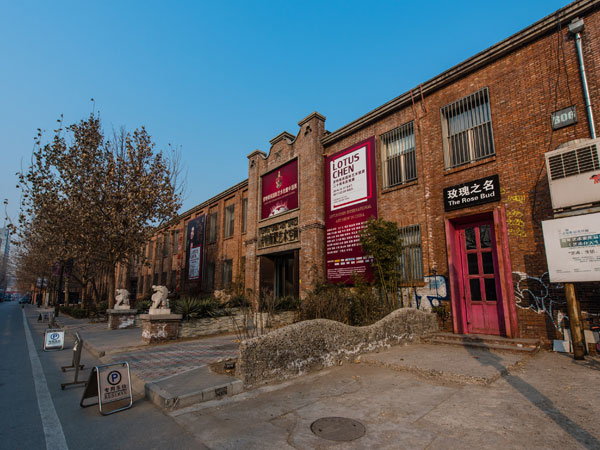
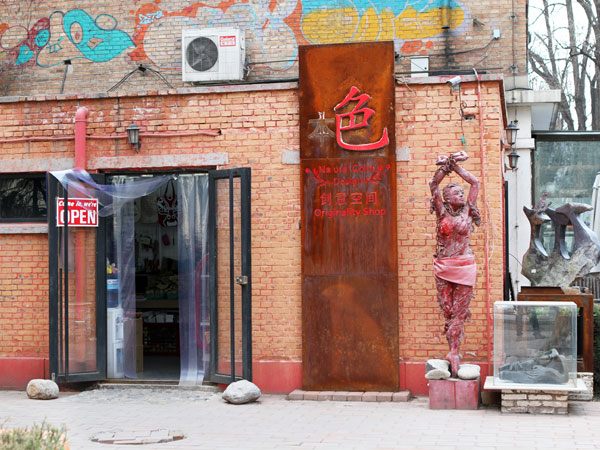
Slogans of different ages on the walls, mottled red-brick wall, crisscross pipelines, scattered orderly industrial plants, all these things make this zone full of artistic breath. Fashion visitors and uniformed workers form unique scenery, representing history and reality, industry and the arts perfectly fitting here. This zone covers a total construction area of 230,000 square meters. It assembles many cultural elements, such as art exhibition spaces, galleries, design studios, fashion shops, artists' studios, restaurants etc.
1. By Subway
Nearest Subway Stations: Gaojiayuan Station (Line 12) – Exit B. After exiting from Exit B, you can reach the entrance of 798 directly within a short walk.
Wangjing South Station (Line 14) – Exit B1 / Jiangtai Station (Line 14) – Exit A
From Wangjing South (Exit B1) or Jiangtai (Exit A), it takes about 15–20 minutes on foot (around 1.5 km) to reach the 798·751 Art Zone. You may also rent a shared bike for a quicker and more convenient ride.
2. By Bus
Dashanzi Lukou South / Wangyefen Stop
Bus No. 401, 405, 991, 445, 988
Walk a few minutes to reach the 798·751 Art Zone.
Dashanzi Lukou East / Wangyefen Stop
Bus No. 593, 851, 854, 403, 418
Then walk to the 798 Art District.
Caihong Road Stop
Bus No. 516
Wanhong Road Stop
Express Line 53
Taxi or ride-hailing services (such as DiDi) are also convenient options. Simply search for “798 Art District” or “798艺术区”.
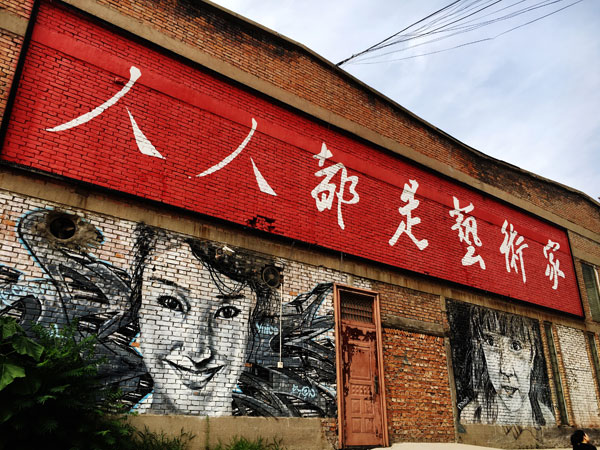
Graffiti in 798 Art Zone
Public Outdoor Areas: Open all day, free of charge.
Galleries & Shops: Generally open from 10:00 – 19:00. Some smaller independent galleries operate from 10:30 – 18:30. Some major institutions (such as UCCA Center for Contemporary Art) may close on Mondays. It is recommended to check official websites before visiting.
Special Adjustments: During the 2026 Chinese New Year (Year of the Horse, January–March), selected venues will extend evening hours until 21:00, featuring a special “Industrial Light & Shadow Art Exhibition.”During major international exhibitions (such as biennales), some galleries may extend hours until 20:00. Please refer to official announcements for exact schedules.
Suggested Visiting Time
General visitors: 3–4 hours
Art lovers and photography enthusiasts: 4–5 hours to fully explore galleries, creative shops, and cafés
UCCA Center for Contemporary Art
One of the most influential professional art institutions in the 798 Art District, UCCA focuses on international avant-garde and contemporary art. It regularly hosts major contemporary exhibitions and themed special shows. In 2026 (Year of the Horse), UCCA will present the cross-disciplinary exhibition “Horse · Realm”, combining sculpture, video, installation, and multimedia works to explore the dialogue between horse culture and contemporary artistic expression.
Highlights: The dramatic integration of floor-to-ceiling glass windows with the original industrial factory structure creates a striking architectural atmosphere. Exhibitions are both intellectually engaging and visually powerful, offering strong conceptual depth alongside immersive visual impact.
Special Experience: Visitors can join artist talks, public lectures, and hands-on art workshops (advance reservation required). The museum shop features a curated selection of global art merchandise and creative design products.
Whitebox Art Center
Designed under the concept of a “white box” gallery, this space emphasizes simplicity and purity. It focuses on experimental contemporary art exhibitions and often showcases emerging and independent artists.
Highlights: A flexible exhibition layout that plays with light and shadow, creating dynamic viewing experiences. The gallery is known for presenting niche and avant-garde artworks that appeal to serious art enthusiasts.
Special Experience: Some exhibitions allow closer viewing distances and more interactive engagement with artworks, making it an ideal space for in-depth artistic exploration and discussion.
Time Art Space
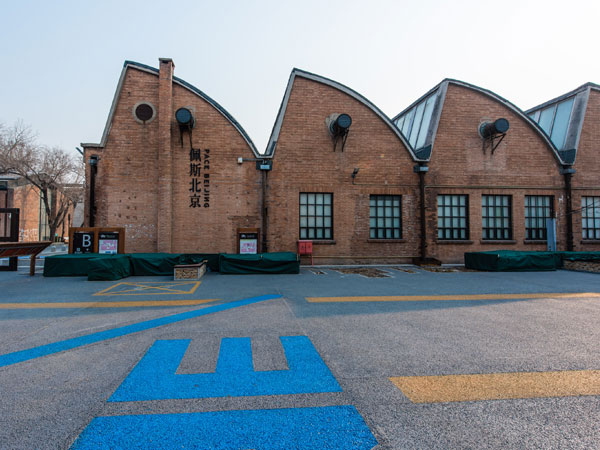
This venue preserves the original Bauhaus-style factory building with its iconic sawtooth roof skylights, maintaining a strong industrial atmosphere. It frequently hosts large-scale installation art exhibitions and photography shows.
Highlights: The striking contrast between the vintage industrial dome structure and contemporary art installations creates dramatic visual scenes. Large-scale installations here are popular photo spots for visitors.
Special Experience: During special festivals such as the 2026 Spring Festival (Year of the Horse), limited-time nighttime light shows transform the space. Industrial pipelines and lighting effects intertwine to create a surreal and immersive atmosphere.
Ceramic Street(陶瓷一街 taoci yijie): Ceramic Street gathers together handmade workshops, creative concept stores, and independent designer brands, forming a vibrant cluster of artistic lifestyle spaces within the 798 Art District. Visitors can participate in hands-on experiences such as pottery making and leather crafting, with prices generally ranging from RMB 100–200 per person. It's a great opportunity to create your own souvenir under the guidance of professional artisans.
798 Creative Square: As the central activity area of the district, 798 Creative Square is the heart of public events and cultural gatherings. It frequently hosts art markets, outdoor performances, fashion pop-ups, and brand exhibitions. During the 2026 Spring Festival (Year of the Horse), the square will feature a special “Intangible Cultural Heritage + Art” Market, blending traditional Chinese craftsmanship with contemporary design concepts.
Industrial-Style Café Cluster: Scattered throughout the district are uniquely designed cafés that perfectly reflect the industrial heritage of 798. These cafés are ideal spots to relax, take photos, and soak in the artistic vibe.
Recommended Cafés:
The public outdoor area of 798 Art District is free and does not require reservation. Major galleries such as UCCA Center for Contemporary Art and Whitebox Art Center, as well as special exhibitions, require separate tickets.
Visitor Flow Management: Popular venues like UCCA can become crowded between 14:00–16:00. It is recommended to visit earlier in the morning or later in the afternoon. Special exhibitions during peak seasons (such as the Year of the Horse exhibition) may limit daily visitors to around 2,000 people, and advance booking 1–2 days ahead is advised.
The 798 Art District was originally part of the Beijing North China Wireless Joint Equipment Factory (718 Joint Factory), built in the 1950s with assistance from experts from the former East Germany. The factory, designed in a Bauhaus style, officially began production in 1957 and became an important industrial base in Beijing.
In 1964, the large joint factory was divided into several smaller factories, including 706, 707, 718, 797, 798, and 751. By 2000, these factories were reorganized under Beijing Sevenstar Science and Technology Co., Ltd. As part of urban redevelopment plans in the Dashanzi area, many unused factory buildings were rented out.
Thanks to its unique Bauhaus architecture, spacious industrial structures, and convenient location, the area soon attracted artists and cultural organizations. Starting in 2002, they began transforming the old factory workshops into galleries, studios, design companies, cafés, and creative spaces. This marked the birth of what is now known as Beijing 798 Art Zone.
In 2006, the district was officially recognized by the Beijing Municipal Government and Chaoyang District Government as one of the city's first cultural and creative industry clusters. It was also designated as a cultural creative industrial base of Zhongguancun Electronic City.
The launch of the 798 Art Festival in 2007 further boosted its reputation, drawing large numbers of domestic and international visitors. Over time, 798 has developed into an internationally recognized art district that blends contemporary art, industrial heritage, and urban lifestyle.
Today, 798 continues to grow under the principle of “protection, exploration, stability, and development,” aiming to strengthen its role as a major center for art exhibitions, cultural exchange, and creative industries in Beijing.
From on request
From $ 306
From on request