Your China & Yunnan Travel Experts


Reviewed August 28, 2026. Shaanxi paper-cutting is a living practice shaped by local makers, family occasions, festivals and changing contemporary life. Northern Shaanxi is especially associated with bold silhouettes, animals, plants, opera figures and scenes of work, but there is no single “Shaanxi style.” Start with the Chinese paper-cutting guide for the wider national tradition.
Paper-cutting is practiced across Xi'an and many Shaanxi counties, yet a red paper design sold in the city is not automatically locally made. Ask for the artist or cooperative, place of production, cutting method and subject. Hand-cut, knife-cut stacked sheets, laser-cut and printed products should be described honestly and priced accordingly.
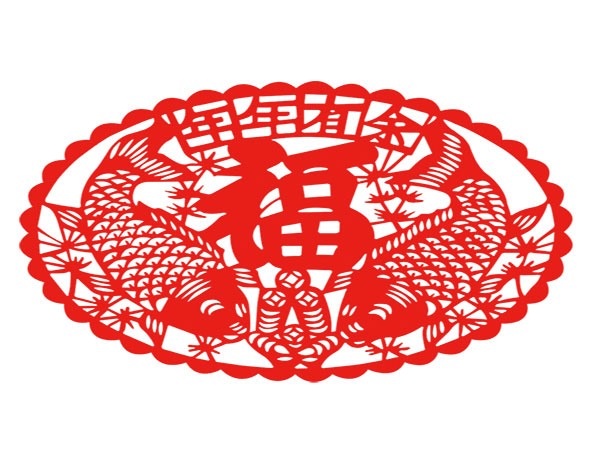
The technique creates positive and negative shapes by removing material from a sheet. Makers may cut freehand with scissors, work from a drawing, or knife-cut several layers. Look for deliberate bridges that keep the design connected, controlled edges and a composition suited to its intended use. Motifs can carry wishes for prosperity, family continuity, harvest or protection, but meaning depends on maker and occasion; ask rather than assigning a generic symbolism. UNESCO inscribed Chinese paper-cut on the Representative List in 2009, recognizing community transmission across China—not certifying individual souvenirs. Demonstrations are most valuable when the maker explains how a pattern is conceived, which cuts must be made first and how the design will be displayed. Watch without reaching across the work surface, and ask before filming. For another regional textile tradition, compare Tujia brocade.
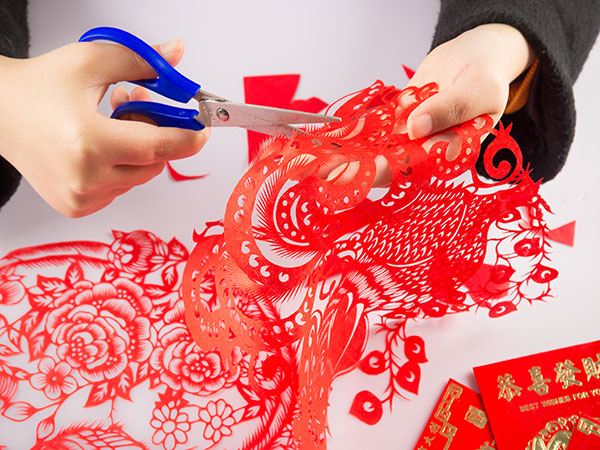
Cut and pierced designs existed in other materials before paper became widespread, but they should not automatically be called paper-cuts. Surviving evidence supports a long history of paper cutting and stencil-like practices, while the precise origin is not reducible to one inventor or palace date. In Shaanxi, the tradition was sustained through household decoration, ritual and seasonal use, then documented, exhibited and adapted by modern artists and cultural institutions. Today it can appear on windows, gifts, public art and design products. That continuity matters more than an unsupported claim that the form was already mature before paper existed.
Buy from a named maker when possible, request the title or motif explanation in their own words, and keep the work flat in an acid-free sleeve between rigid boards. Note the artist, date, material and dimensions on the receipt, and verify that the packed sheet is the one you selected. Avoid direct sun, humidity, folding and adhesive tape; consult a paper conservator before trying to flatten a damaged piece. Contemporary work can be both authentic and innovative—it does not need artificial aging or a vague dynasty story. A low-cost machine-cut decoration can also be a fair purchase when labeled honestly. For broader craft-buying questions, see Chinese handicrafts.
Hot
From $ 323

Hot
From $ 344
Editorial accountability
Hu Lei, CEO. The named owner is responsible for travel-planning accuracy and escalation of time-sensitive checks.
Yuntian Travel (Yunnan) Group is identified in its corporate profile as a licensed professional inbound travel service provider based in Kunming, China. Registration and travel-service documents can be requested before booking.
Page-specific references where cited, official destination, transport and entry notices, YUNSKY route-planning records, and direct provider confirmation before a booking is finalized.
Content is reviewed when rules, transport, access, pricing or route conditions change. Final availability and operating details are reconfirmed for each traveler’s dates.
Quality review: Page updated: