Your China & Yunnan Travel Experts


Luoyang Shopping Areas: District Comparison and Buying Guide

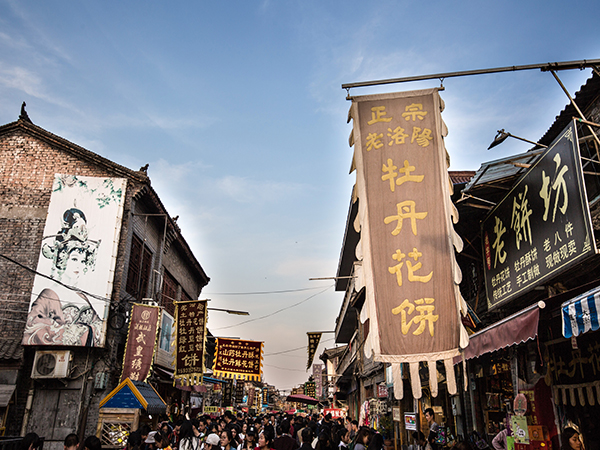
Local specialty shops along a shopping street in Luoyang

1. Nanchang Road: best all-round modern district

Area: Nanchang Road and the wider Jianxi commercial area, Luoyang. Save the exact mall entrance or restaurant rather than using only the road name, which covers a long corridor.
Best for: Modern malls, dining, air-conditioned breaks and groups that need several categories in one district. Tenant names and promotions change, so compare the current mall directory instead of following the old page's list of proposed projects.
 
Nanchang Road is useful as a decision anchor, not a single pedestrian attraction. Official Jianxi planning describes several connected commercial clusters, including Nanchang Road and the Wanda area, and recent district work continues to renew established shopping streets. Start with the Luoyang overview to decide whether Jianxi fits your hotel and sightseeing route. Choose it over Old City when weather protection, predictable facilities, children's needs or step-free access matter; still confirm the lift entrance and accessible restroom with the specific venue. Reviewed August 28, 2026.
 

2. Zhongzhou Road and the central department-store area

Area: Zhongzhou Middle Road and nearby central-city blocks. This is a broad commercial corridor rather than one preserved “business circle” with permanent tenants.
Best for: Everyday department shopping, comparison between several central venues and a convenient stop when already passing through the city centre.
 
The previous copy relied on former names of cinemas, hotels and department stores. Those details age quickly and have been removed. Search the current Chinese venue name, check whether the branch still trades, and save the correct entrance. For a short visit, decide in advance whether the goal is clothing, daily necessities, a meal or shelter from weather; otherwise a general mall circuit consumes time without adding local understanding.
 

3. Shanghai Market: renewed neighborhood commerce

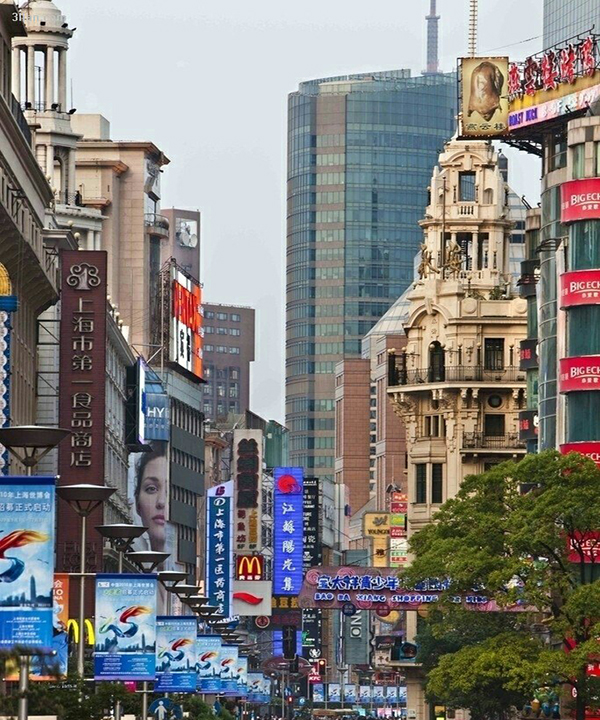
Current role: Jinghua Road and the Shanghai Market area in Jianxi District. are part of a long-established commercial neighborhood that has undergone renewal.
Best for: A street-level walk combining local daily commerce, food and updated public space rather than a fixed count of small stores.
Commercial streetscape in Luoyang Shanghai Market district 
 
Official district reports document improvement work around Shanghai Market and nearby Guangzhou Market. That makes the area relevant, but it does not support the former page's exact length, store-count, fountain and permanent product-mix claims. Construction, tenant turnover and traffic management can change the experience. Check recent map photographs and district notices before making a special journey.
 
Use a two-pass strategy: first walk without buying and note price, material and return terms; then return to the strongest candidate. Clothing sizes may use a different labeling system, electronics may have China-only warranties, and inexpensive media or branded goods can raise authenticity questions. Compare the exact model or fabric composition, not the storefront. In rain or summer heat, identify a covered rest point before starting.


4. Luoyang Old City and Dong Dajie

Area: Dong Dajie and connected Old City streets. Use “洛阳老城” plus the exact street or gate because “old street” can refer to several visitor areas.
Best for: Historic streetscape, snacks, small shops and cultural souvenirs that can be paired with Old City sightseeing.
 
What to look for: clearly labeled peony-themed gifts, contemporary craft, packaged food and practical small items—not an unsupported promise that every object is ancient or locally handmade.
 
Old City is the stronger choice when atmosphere matters more than mall convenience. Traditional-looking façades, lanterns and costume photography create a visitor setting, but they do not authenticate a product. Ask who made a craft, what it is made from, whether “Luoyang” describes production or only design, and whether the answer appears on the label or invoice. Buy food from clean, high-turnover counters with visible prices and covered ingredients. Crowds concentrate around meal times, weekends and holidays; narrow sections, thresholds, scooters and deliveries can complicate wheelchairs or strollers. Visit in daylight to inspect merchandise, and confirm the current pedestrian boundary and a step-free drop-off rather than assuming the ornamental gate is accessible.


5. Choose by need: a district decision matrix

Need: conventional brands and weather cover Choose a current Nanchang Road or central mall after checking its directory, opening notice and accessible entrance.
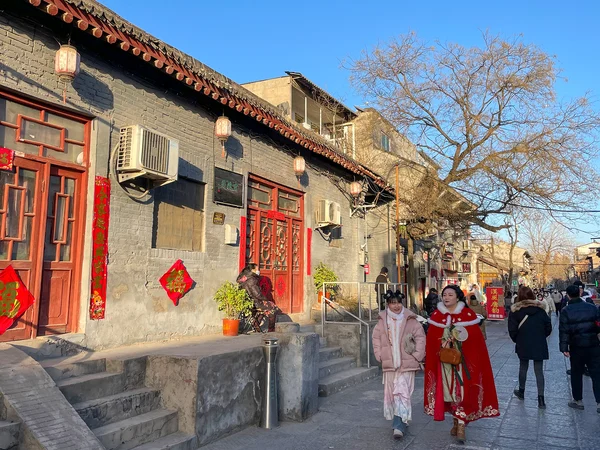
Need: local streetscape and a short cultural browse Choose Old City/Dong Dajie; treat the real street scene shown here as route context, not proof that every photographed shop remains open.
Real street scene on Dong Dajie in Luoyang Old City
 
Need: neighborhood shopping with fewer landmark expectations
 
Consider Shanghai Market or nearby renewed commercial streets, then verify construction and tenant status. The Luoyang shopping guide provides the broader city shopping framework.
 
Decision rule: do not cross Luoyang solely for a chain shop available near the hotel. Cluster shopping with the day's sights, and choose one primary district plus one backup for rain or fatigue. This reduces transport time and creates space to compare labels, receipts and workmanship instead of making rushed purchases.


6. Modern malls: practical fallback, not a timeless tenant list

Opening hours: verify the exact venue on the day; holiday hours, maintenance and individual shop schedules differ.
Location: use the current Chinese mall name and branch in your map app. Do not depend on the former fixed street numbers without a live confirmation.
Transport: choose metro, bus, taxi or walking from the actual starting point and recheck the last entrance. Old bus numbers and stop distances have been removed because routes change.

What modern malls solve: They usually offer weather cover, seating, food choices, toilets and a more standardized checkout. Those advantages help families, older travelers and anyone managing heat or rain, but accessibility still varies by entrance and floor. Ask security for a lift route instead of using an escalator if mobility or luggage makes it unsafe.

Compare the final price after membership discounts, deposits and payment-channel conditions. A promotion may require a domestic app or account. For higher-value goods, check model number, voltage, language, warranty territory and tax documentation. Keep the itemized invoice; a shopping bag or logo is not proof of authorized distribution.

Food courts are convenient but still require allergen judgment. Show a written Chinese allergy card, ask about shared oil, broth and utensils, and choose a simpler dish if staff cannot confirm. “Vegetarian” may still use meat stock, and a mild-looking sauce may contain sesame, peanut, soy or wheat.

7. Supermarkets for daily needs and packaged gifts

Use a currently operating supermarket near the hotel or route; branch names, floors and tenancy can change.
Transport should be planned from a live map, not the former dated stop instructions. A close pin may still be separated by a major junction or an underground entrance.

Supermarkets are useful for bottled drinks, fruit, toiletries, common snacks and price comparison. They are not automatically the best source for every specialty. Read the product name, ingredients, allergens, producer, production address, net weight, date, shelf life and storage instructions. Fresh fruit may be priced by weight; confirm the unit and whether packing is added before checkout.

For train or flight days, avoid carrying leaking, strongly scented or temperature-sensitive food. Check railway, airline and destination biosecurity rules for liquids, meat, seeds, fruit and plant products. Keep medicines and essential toiletries separate from checked purchases, and do not assume an ordinary supermarket package is permitted across every border.

8. Luoyang specialties: evidence before souvenir language

Opening, availability and area: seasonal products, workshops and retail counters change. Verify the current seller and stock rather than traveling for an old branch name. Compare a formal retailer with one cultural-street shop when buying a higher-value craft; the comparison reveals differences in material, maker attribution and after-sales terms.
Transport: combine the purchase with Old City, a museum or the hotel area. For bulky or fragile objects, ask for packed dimensions and weight before arranging a taxi or onward train.
Buying method: photograph the label and condition, request the material and maker in writing, inspect joins and finishes, and obtain an itemized receipt. “Peony,” “Tang,” “tri-color” or “heritage” can describe a motif or marketing theme; they do not by themselves prove age, archaeological origin, museum quality or an intangible-cultural-heritage lineage.

For a category-by-category checklist, use what to buy in Luoyang. It helps distinguish edible gifts, modern reproductions and craft claims before you compare prices. Never purchase an item presented as excavated, an undeclared cultural relic or a protected wildlife product. If a seller claims age or rarity, ask for lawful provenance and independent verification; choose a clearly modern reproduction when the evidence is incomplete.

Final route and consumer checklist: select one district based on goal, check live opening and access, save the Chinese destination, compare two like-for-like products, confirm the full price and return condition, and keep the receipt. For offline purchases, return rights depend on law, product type and any store commitment; ask before payment rather than assuming every item has a seven-day return. Inspect fragile goods at handover, retain electronic payment records and resolve discrepancies before leaving Luoyang. This method remains useful even when stores change—and is more reliable than the former page's permanent tenant, hour and bus lists.
Shopping in Luoyang

Recommended Luoyang Tours

Editorial accountability

How this guide is checked

Named content owner

Hu Lei, CEO. The named owner is responsible for travel-planning accuracy and escalation of time-sensitive checks.

Company and licence status

Yuntian Travel (Yunnan) Group is identified in its corporate profile as a licensed professional inbound travel service provider based in Kunming, China. Registration and travel-service documents can be requested before booking.

Source basis

Page-specific references where cited, official destination, transport and entry notices, YUNSKY route-planning records, and direct provider confirmation before a booking is finalized.

Update basis

Content is reviewed when rules, transport, access, pricing or route conditions change. Final availability and operating details are reconfirmed for each traveler’s dates.

Quality review: Page updated:

Open WhatsApp chat with YunSky Travel