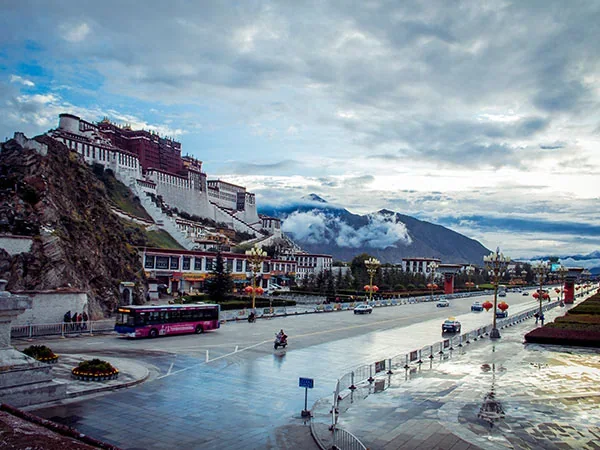
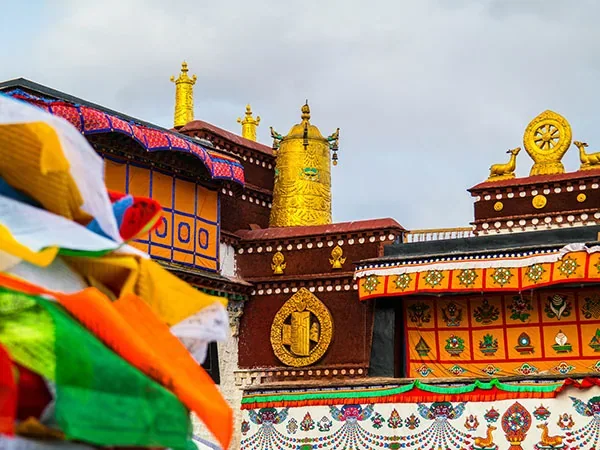
Chongsaikang Market (冲赛康市场)
Location: Chongsaikang area in Lhasa's old city. Confirm the current entrance and Chinese map pin because lane access and market organization can change.
Best for: Everyday produce, packaged foods, clothing and observing local commercial life without treating it as a staged attraction.
Chongsaikang is a working local market. Keep aisles clear, ask before photographing vendors and avoid handling food without permission. Product floors and categories may differ from old guides, so use current signs rather than expecting a fixed three-level layout. Visit with enough time to observe prices and packaging before buying, but do not turn ordinary customers into photo subjects. At altitude, carry light purchases and pause if you feel unwell rather than pushing through a crowded indoor aisle.
Prices for daily goods may be clearer than in souvenir lanes. Check seals, dates and ingredients on packaged food, and buy high-altitude medicine only from a licensed pharmacy after appropriate medical advice.
Access:
Walk from the old-city area or use the current public-transport route shown locally. Vehicle access can be controlled; outdated bus numbers are intentionally omitted.
Barkhor Street
Location: The traditional circuit around Jokhang Temple in central Lhasa's old city.
Best for: A culturally significant walk with shops selling textiles, incense, craftwork and visitor-oriented goods.
Barkhor is both a pilgrimage circuit and commercial street. Move clockwise with the flow where appropriate, do not obstruct worshippers and ask before photographing people. Shops face a sacred public space, so browsing etiquette matters: lower your voice, keep tripods and luggage out of the circuit, and do not handle ritual objects as costume props. Your guide can explain which behaviors are appropriate on the day.
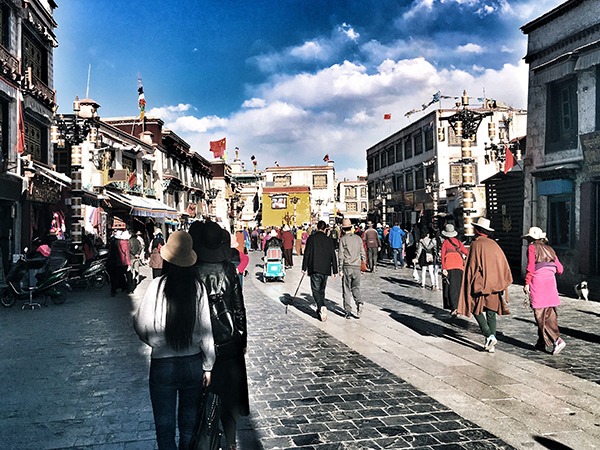
Barkhor Street
extends through surrounding lanes, but the sacred circuit should not be reduced to a shopping strip. Read the
Tibetan customs guide before visiting.
Shop mix changes. A seller may stock contemporary factory goods beside studio work; ask who made an item, where, from what material and by which technique. “Tibetan style” is not a provenance statement.
Access:
Security, pedestrian and ticket arrangements can change. Carry the documents required by your tour and follow current local instructions.
Use your guide or a current map for the correct approach rather than fixed historical bus routes.
Lhasa Handicraft Shopping Around Barkhor
Location: Barkhor West Street and nearby old-city lanes; venue names and shop numbers should be confirmed on the day.
Best for: Contemporary thangka, textiles, carpets, jewelry-style ornaments, incense and packaged local products with clear maker information.
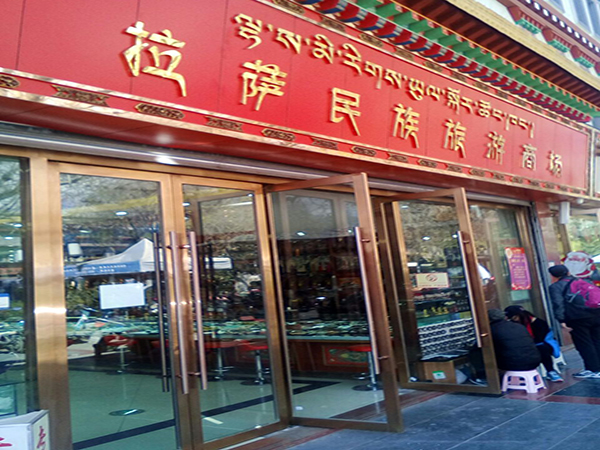
Older guides use “Lhasa Ethnic Tourism Handicraft Market” for a fixed venue. Its present trading name and entrance require confirmation, so this section covers the broader craft-shopping cluster instead of promising one building.
For thangka, ask for the painter or workshop, pigments, support, completion date, iconographic subject and whether consecration has occurred. Never roll a work if the maker advises against it. Examine line work and condition in even light, but avoid touching the painted surface. Mineral, organic and modern pigments can all appear in contemporary practice; material choice alone does not establish quality or age. Commissioned work needs a written subject, dimensions, completion date, payment schedule and shipping arrangement.
Price is not a guarantee. Compare documentation, workmanship and the time involved; bargain only where invited and never demand deep discounts from an identified artist. For carpets and textiles, record fiber, dye, knotting or weaving method, maker, dimensions and care. “Handmade” should specify which steps were done by hand. Fold only if the maker says the construction permits it; otherwise arrange a protective roll with the pile or painted face oriented correctly.
Hours: Individual stores keep their own schedules and may close for religious observance, holidays or seasonal reasons.
Access:
Approach on foot according to current old-city controls. Confirm accessibility needs with your operator in advance.
Yutuo Road and Specialty Shops
Location: Yutuo Road between the old city and central commercial area; verify any named specialty shop before departure.
Choose stores that provide a business receipt and a complete label. For cordyceps or traditional medicine, do not self-prescribe, and never treat price or a display museum as proof of identity or health benefit. Claims that one venue is a “museum-type first in China” are not repeated without verifiable evidence. A licensed pharmacy, qualified practitioner and complete product documentation are the minimum starting point; destination rules may prohibit carrying animal, fungal or plant ingredients even when purchased legally in Lhasa.
Counterfeit, substituted and wildlife-related materials can be difficult to identify. Buy only from licensed channels and consult a qualified professional.
A cultural display can help explain regional products, but it does not authenticate every item in the adjoining shop.
Hours: Check the specific store on the day; no district-wide 10:00–22:00 promise applies.
Access: Central Lhasa is often walkable, but altitude changes pacing. Use a current route and build in rest time.
Modern Shopping Centres in Western Lhasa
Promotions and loyalty discounts may require a local app or membership; confirm the payable total before authorizing.