Your China & Yunnan Travel Experts


Reviewed August 28, 2026. The best family activities in China depend on the youngest child, season, travel distance and the learning or play goal for that day. This guide keeps the original eight ideas but turns them into practical choices: what each activity teaches, who it suits, what can cause fatigue, and what to verify before paying. Start with the China destinations guide, choose two or three city bases rather than crossing the country for a single attraction, and protect recovery time after flights or high-speed trains. Opening notices, ticket rules, weather arrangements and child policies can change, so recheck official channels shortly before the visit.
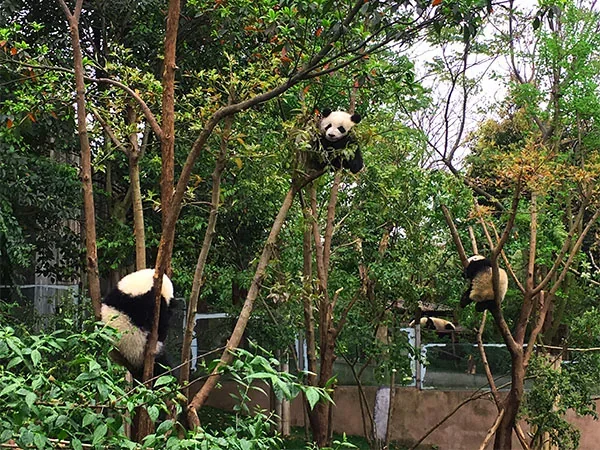
A panda visit works best as a quiet observation and conservation-learning session, not a promise of close contact. At the Chengdu Research Base of Giant Panda Breeding, reserve through an official channel, use the same identity document at entry and favor the cooler morning period when animals may be more active. The base explains that pandas can be moved indoors when heat reaches its animal-welfare threshold, so a child should understand that seeing a particular animal is never guaranteed. Choose two nearby enclosures and the museum rather than trying to cover the entire site. Strollers, drinking-water points, mother-and-baby rooms and rest facilities are listed in the base's official visitor information; confirm availability on the day.
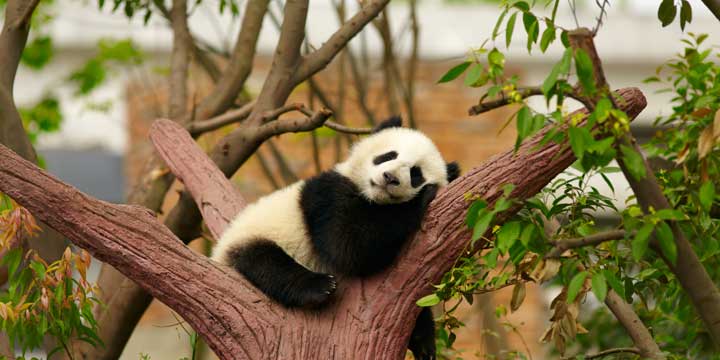
Giant panda resting on a tree at the Chengdu research base
 Things to Do in Chengdu for Families with Kids
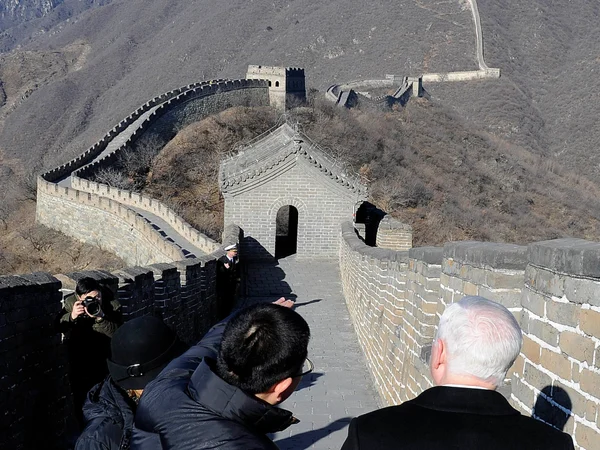
A Great Wall day should be matched to balance, stair confidence and heat tolerance. Restored sections around Beijing are easier for families than remote or unrestored walls, but they still include uneven stone, steep gradients and exposed ridges. Mutianyu is a common family choice because assisted uphill transport is available, yet cable-car, chairlift and slideway operations, child restrictions and weather closures are separate decisions. Check the section's official notice, wear shoes with grip, carry water and sun or cold protection, and keep children on the walking surface instead of towers, parapets or closed paths.
Set a time or tower as the turnaround point before starting. Going up by assisted transport does not remove the descent, queues or walk between stations, and a slideway should never be promised until the operator confirms the child's current eligibility. For toddlers, a carrier may be safer than a stroller on the wall itself; for school-age children, turn the route into a watchtower or defensive-landscape observation task. Stop when attention or footing deteriorates, even if the planned endpoint is close.
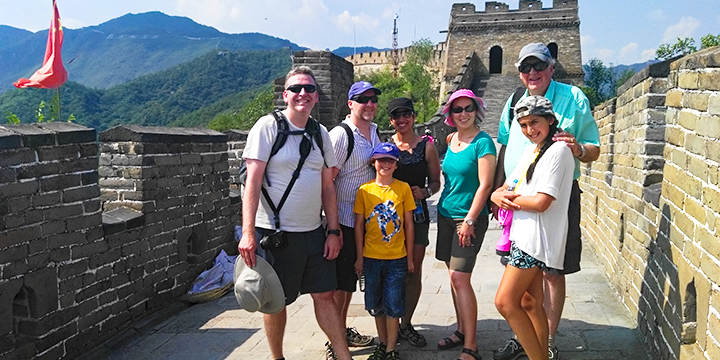
Family group walking on a restored Great Wall section near Beijing
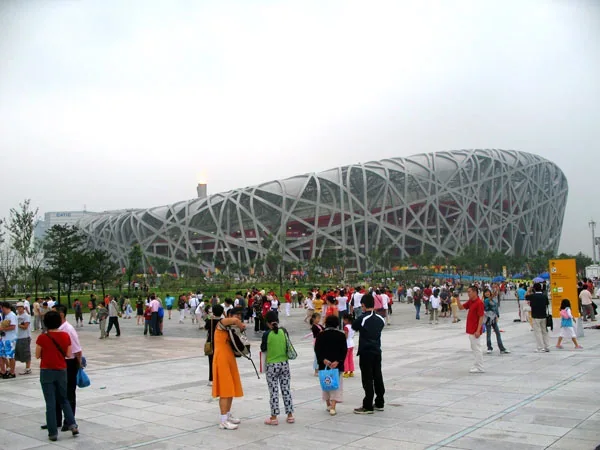
 Top Things to Do for Kids in Beijing
Shanghai gives children a visible way to compare waterfront history with contemporary urban design. Keep the lesson concrete: identify the Bund's historic facades from the promenade, cross or cruise the Huangpu River, then compare them with Lujiazui's towers. A short ferry can suit a child who wants movement without a long cruise; an observation deck trades walking for queues, security and weather-dependent visibility. Group stops by metro line, avoid repeated river crossings, and carry a light layer for exposed decks or air-conditioned interiors. One skyline experience plus one garden, museum or park is a more realistic day than collecting every viewpoint.

Shanghai skyline and Huangpu River after sunset
 Best Things to Do with Kids in Shanghai
Theme parks consume a full day, so compare them by child height, interests, sensory tolerance and season before choosing. Shanghai and Hong Kong Disneyland use attraction-specific height and accompaniment rules; Chimelong's safari, rides and water attractions require different pacing; Harbin Ice and Snow World is seasonal and needs serious cold-weather preparation. Measure every child before purchase, read current ride and health restrictions, identify quiet indoor breaks, first aid and baby-care facilities, and select three priority experiences plus backups. Heat, lightning, wind or maintenance can suspend outdoor attractions. A familiar character or large ride does not compensate for an exhausted child, so keep a fixed meal and exit plan.
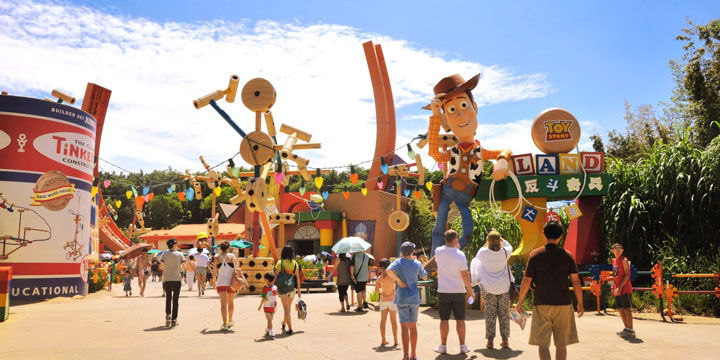
Toy Story themed area at Hong Kong Disneyland
 Top 10 Theme Parks in China to Go with Kids
A good workshop introduces a living practice through a skilled teacher and lets children make, ask and reflect. Chinese paper-cutting, calligraphy and shadow puppetry are not generic craft props: techniques are transmitted through communities and practitioners, and UNESCO describes shadow puppetry as theatre combining cut figures, music, singing and storytelling. Ask who leads the session, whether the activity is a demonstration or hands-on class, what language support is available, and what the child will be allowed to keep. Avoid sessions that turn sacred, ethnic or regional traditions into costumes without explanation.
For younger children, select a short activity using washable ink, blunt scissors or pre-cut shapes. Older children can compare character strokes, design a paper-cut motif or manipulate a simple puppet after watching a performance. Check accessibility and ventilation, obtain permission before photographing teachers or other children, and never pressure a child to pose in clothing they do not understand. The goal is careful participation, not a perfect souvenir.
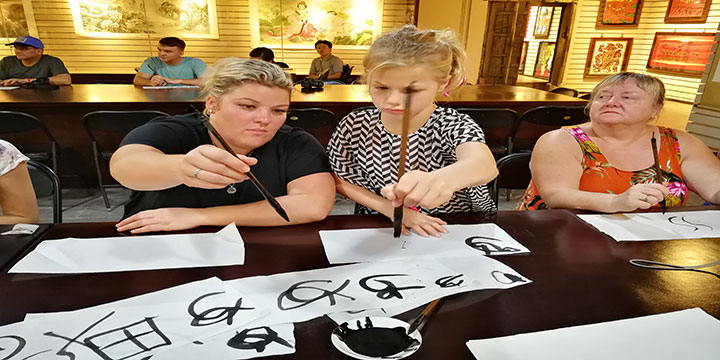
Children practicing Chinese calligraphy with an instructor
Food streets can introduce regional flavors, but crowds, hot oil, skewers and unclear ingredients make random grazing difficult for families. Begin with one cooked-to-order item, one familiar staple and water; eat in a place where the family can sit and ask questions. Use a translated allergy card, name every restricted ingredient and ask about sauces, fillings, shared oil and utensils. Choose food served steaming hot, wash hands, keep children away from grills, and skip any stall that cannot explain ingredients or storage. Popularity is not proof of allergen control or hygiene.
Dumplings, noodles, spring rolls and roast meats may suit some children, but texture, bones, spice and temperature matter more than nationality-based assumptions about what children like. Cut round or chewy foods to an age-appropriate size and supervise eating. Tanghulu has a hard sugar shell and skewer; it is better shared slowly by an older child than handed to a toddler while walking.
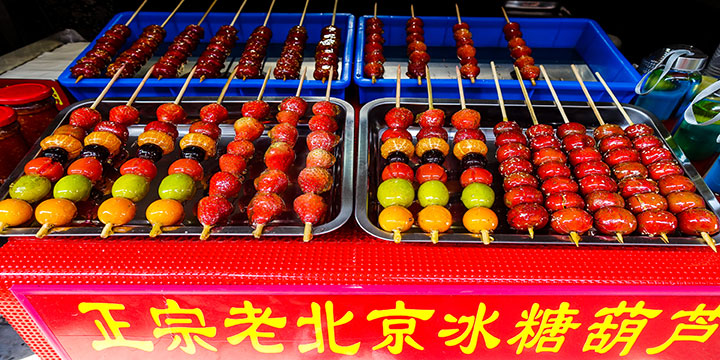
Tanghulu fruit skewers displayed at a Beijing snack stall
Sugar-figure blowing is a folk craft demonstration rather than an ordinary sweet purchase. The artist heats and shapes sugar into figures, and participation rules vary. Let children watch the technique, ask before touching or blowing, and follow the maker's hygiene and heat-safety instructions. A photographed demonstration is still valuable even when hands-on participation is not offered.
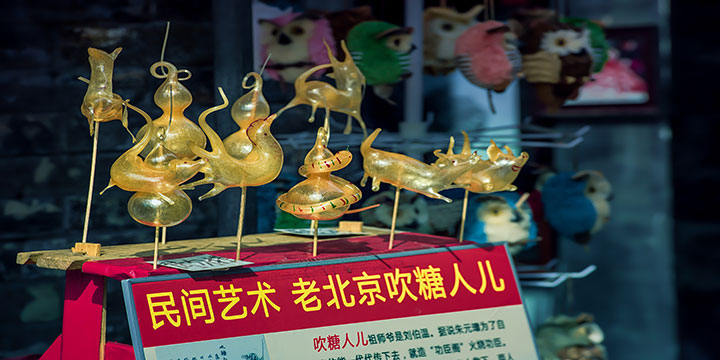
Traditional sugar figures displayed at a Beijing folk-art stall
A cooking lesson creates a stronger memory when every child has a safe job: washing vegetables, mixing filling, folding dumplings or shaping dough. Before booking, request the complete menu, minimum age, class language, group size and allergy or cross-contact procedure. Ask whether knives, hot oil, open flames or raw meat are involved and whether an adult must work beside the child. Museums and culinary schools in Chengdu, Xi'an and Guilin offer different formats; verify the current operator and do not describe a commercial class as an ‘authentic home visit' unless that is genuinely arranged with informed hosts.
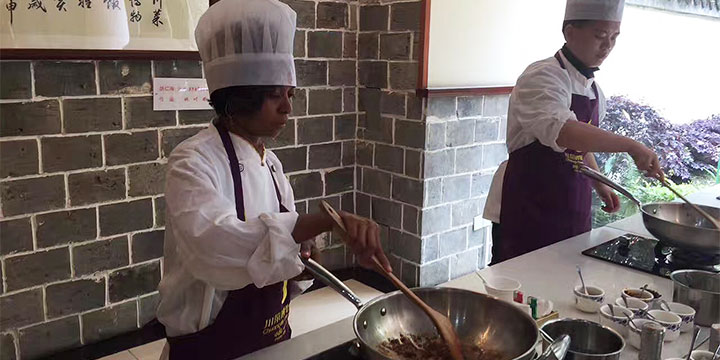
Chef demonstrating a cooking technique at the Sichuan Cuisine Museum
Kung fu can mean a stage performance, a short physical lesson or sustained martial-arts training, and families should not treat those as interchangeable. Around Shaolin Temple, combine respectful observation of the religious site with a separately verified performance or class. Ask about the instructor, duration, language, floor surface, protective equipment and medical exclusions. A child should be free to watch rather than participate, and beginners should not attempt jumps, weapon routines or partner contact copied from films. Explain that martial arts involve discipline, repetition and many regional traditions, not a single movie style.
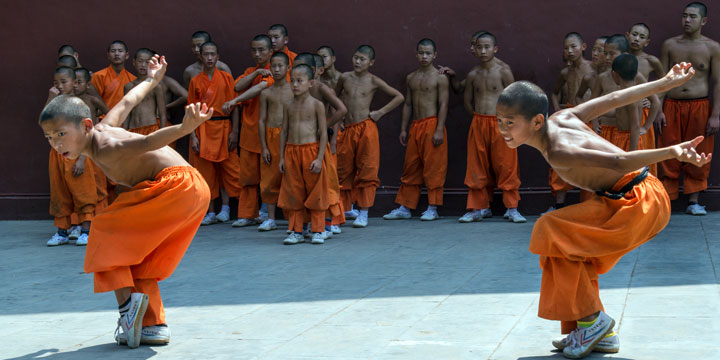
Young martial arts students practicing at a Shaolin training school
Use the family trip planning guide to limit hotel changes, cluster activities by district and reserve one flexible half-day for weather or fatigue. Toddlers need predictable meals and rest; primary-age children benefit from one observation task per stop; teenagers should help choose the activity and navigation. Alternate a high-stimulation day such as a theme park with a lower-pressure park, museum or cooking class. Share ages, heights, mobility, food restrictions, sensory needs and interests before a route is priced.
Read more Family tours and please feel free to contact us with each child's age, height, walking tolerance, dietary restrictions and preferred pace. Use the Free Online Tailor-made Tour form only after reading the practical China-with-kids checklist. Reconfirm tickets, identity-document rules, weather notices and accessibility with the official venue close to travel; this guide is a planning framework, not a guarantee of daily operations.
From $ 509
From on request

From on request
Editorial accountability
Hu Lei, CEO. The named owner is responsible for travel-planning accuracy and escalation of time-sensitive checks.
Yuntian Travel (Yunnan) Group is identified in its corporate profile as a licensed professional inbound travel service provider based in Kunming, China. Registration and travel-service documents can be requested before booking.
Page-specific references where cited, official destination, transport and entry notices, YUNSKY route-planning records, and direct provider confirmation before a booking is finalized.
Content is reviewed when rules, transport, access, pricing or route conditions change. Final availability and operating details are reconfirmed for each traveler’s dates.
Quality review: Page updated: