Your China & Yunnan Travel Experts


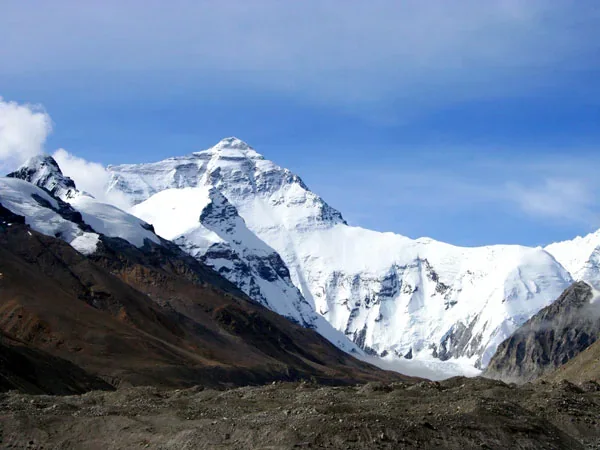
Mount Everest reaches a jointly announced snow-surface height of 8,848.86 metres and rises above a layered Himalayan landscape of valleys, monasteries, glaciers and high plateau.
The strongest photographs are not necessarily the closest views. Weather, foreground, scale and light determine whether the image communicates a place rather than merely records a summit.
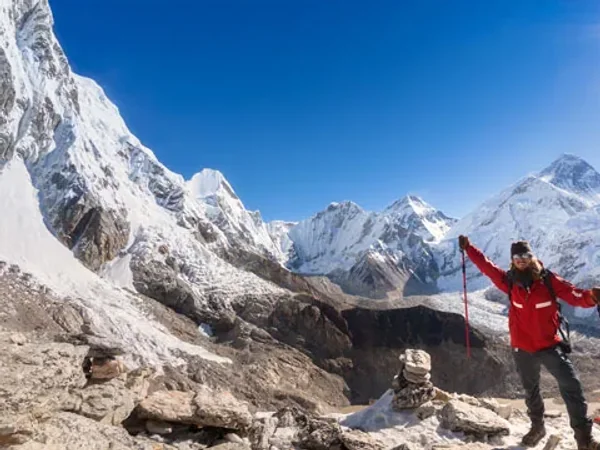
A north-side photography trip is also a high-altitude journey. Build acclimatization and rest into the schedule, keep equipment simple enough to operate with gloves, and never trade health or access rules for a shot.
This guide keeps the existing sequence of season, viewpoint and subject ideas while adding practical camera decisions. Use the Mount Everest travel hub for permits, lodging and route context.

Spring and autumn often provide the most useful balance of clearer views and manageable road access, but no month guarantees an open summit. Monsoon cloud is more frequent in summer, while winter can bring strong wind, snow and closures. Check current forecasts and scenic-area notices rather than planning around a fixed “best” date.
Carry a flexible shot list: wide landscapes when the summit is hidden, detail studies of prayer flags or rock textures, and a clear-view composition if the mountain appears. The Everest climate guide explains the broad seasonal pattern.

Old Tingri viewpoints
can reveal a broad Himalayan skyline from the plateau. Confirm the permitted stopping point and avoid standing on the carriageway.
Pang La or Gyawula Pass
is known for a sweeping view toward several major peaks when conditions are clear. A telephoto lens helps separate summit shapes; a wider lens shows the scale of the pass.
The hills near Rongbuk Monastery
offer cultural foregrounds and a direct relationship between monastery architecture and the north face. Ask before photographing people or religious interiors, and never move ritual objects for composition.
The designated Everest visitor area
supports unobstructed mountain views, but flags, signs and other visitors can crowd the frame. Change height or focal length within the approved path instead of stepping into a restricted zone.

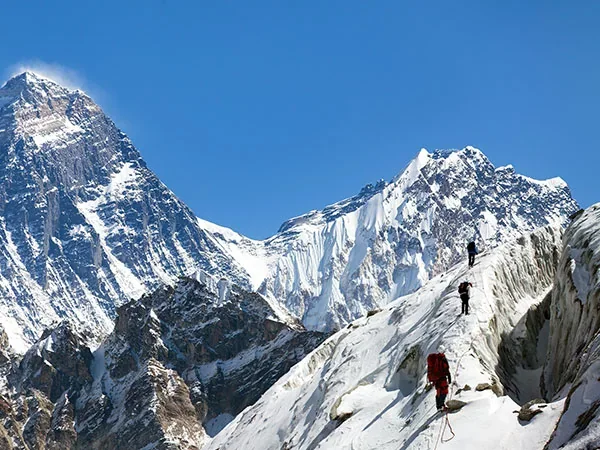
Use the valley to build depth: foreground gravel or vegetation, a road or river line in the middle distance, and the Himalayan wall beyond. Seasonal color varies, and summer greenery may coincide with more cloud.

A plume-like “banner cloud” can form downwind of the summit when moist air condenses in the mountain's turbulent wake. It is a meteorological feature, not a guaranteed seasonal event.
Use a fast enough shutter speed to hold ridge detail, then try a longer exposure only from a stable, safe position. Leave space in the frame in the direction the plume extends.

Low-angle light can briefly color the upper mountain while the foreground remains cool and dark.
Bracket exposures or protect highlights in RAW files because the brightness range is large. Arrive before the light change, secure the tripod against wind and prepare a second composition in case cloud blocks the summit.

Dark skies can be excellent, but moon phase, cloud, wind and permitted access matter more than a particular month. Compose before darkness, use a headlamp on low power and avoid shining light toward other photographers or monastery spaces.
Q: How do I stay warm during a long exposure?
A: Dress in windproof layers with insulated gloves that still allow camera control. Keep skin away from bare metal in freezing conditions and stop the session if cold, headache or imbalance affects judgment.
Q: How do I protect batteries from the cold?
A: Carry charged spares in an inner pocket, rotate them when performance drops and keep power banks insulated. Disable unnecessary wireless functions and charge fully before leaving Shigatse or Tingri.
Q: Is manual or automatic focus better?
A: Use whichever is reliable for the subject. Autofocus can work well on a contrast-rich ridge; for stars, magnified live view and manual focus are often more predictable. Prevent condensation by sealing cold equipment in a bag before moving into a warm room.
Q: What should I wear in summer?
A: Summer does not remove the need for insulation at roughly 5,000 metres. Pack a base layer, warm mid-layer, windproof outer shell, gloves, sun protection and waterproof cover. For a trip built around image-making, compare the China photography tour collection.
From $ 1637
From $ 3179
Editorial accountability
Hu Lei, CEO. The named owner is responsible for travel-planning accuracy and escalation of time-sensitive checks.
Yuntian Travel (Yunnan) Group is identified in its corporate profile as a licensed professional inbound travel service provider based in Kunming, China. Registration and travel-service documents can be requested before booking.
Page-specific references where cited, official destination, transport and entry notices, YUNSKY route-planning records, and direct provider confirmation before a booking is finalized.
Content is reviewed when rules, transport, access, pricing or route conditions change. Final availability and operating details are reconfirmed for each traveler’s dates.
Quality review: Page updated: