Your China & Yunnan Travel Experts


Reviewed August 28, 2026. Chengdu can support an excellent three- or four-day family visit, but the useful plan is more than pandas and spicy food. Separate the city-centre activities from the Chengdu Research Base, Guanghan's Sanxingdui Museum and any Dujiangyan-area programme; each has different transport and reservation needs. Build one major learning experience and one low-energy activity per day, allow for heat and rain, and verify current official notices before payment. Real-name venues may require the same passport used for booking. Save Chinese names and addresses offline, carry water and a small medical kit, and allow extra time at large sites for toilets and meals. Families using a pushchair should confirm lift access and vehicle storage rather than assuming an attraction described as family-friendly is step-free. The sections below correct outdated animal-contact claims and compare educational value, sensory load, food safety, walking and evening suitability.
For most families, the Chengdu Research Base of Giant Panda Breeding is the most practical first panda visit because it combines managed habitats, interpretation and city access. Alternatives such as Bifengxia and Dujiangyan involve different transfers and programme rules; they are not interchangeable branches of one attraction.
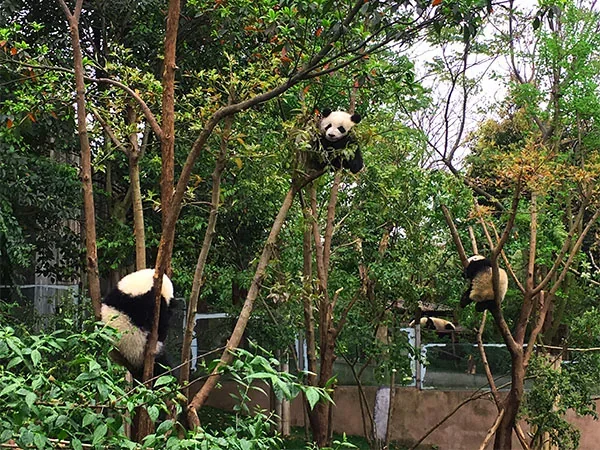
Plan around animal welfare. Pandas choose when to eat, rest or remain out of view, and no ethical itinerary can guarantee an active cub, close encounter, feeding, touching or photograph. The Chengdu Base's official visitor service uses real-name booking, requires the original passport or accepted ID and releases tickets within a defined advance window; opening slots and gate arrangements can change seasonally. Reserve through a current official channel, arrive early for cooler conditions, keep voices low, never tap glass or use flash, and accept rotational closures for animal rest.

Giant panda in a managed habitat at Chengdu Research Base
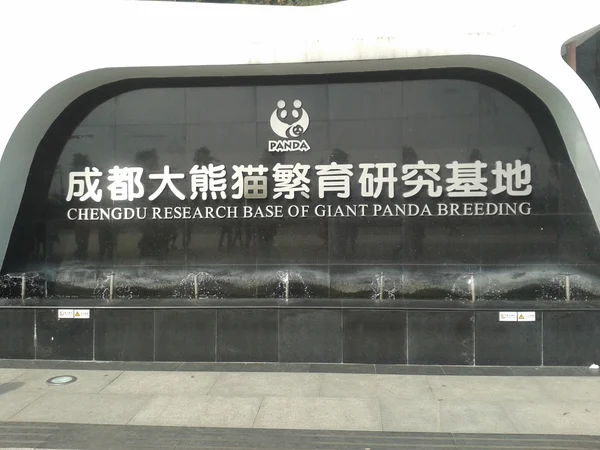 Do not market a ‘volunteer programme' as routine hands-on care, especially for children. Programme availability, age limits, health declarations, tasks and animal-contact rules change. Request the named institution's current written terms and ask whether the activity is observation, enclosure cleaning away from animals, education or conservation support. Refuse any product that guarantees holding or touching a panda. The panda tour planning guide helps compare bases, transport and welfare boundaries.
At People's Park families can see a different side of Chengdu: shaded paths, teahouse culture, exercise, social games and seasonal planting. It works best for one or two unhurried hours after a museum or journey. Park access may be free, but tea, boating and other services are separate and can change with weather or maintenance.
Choose one purpose: share tea while children sketch what they notice, walk a short loop, or watch public life respectfully. Ask before photographing people, keep children away from deep water and hot kettles, and do not treat local social activities as staged entertainment. Check boat rules and life jackets rather than assuming a lake activity is suitable. For sensory-sensitive children, mornings are often calmer than weekends or holiday afternoons.
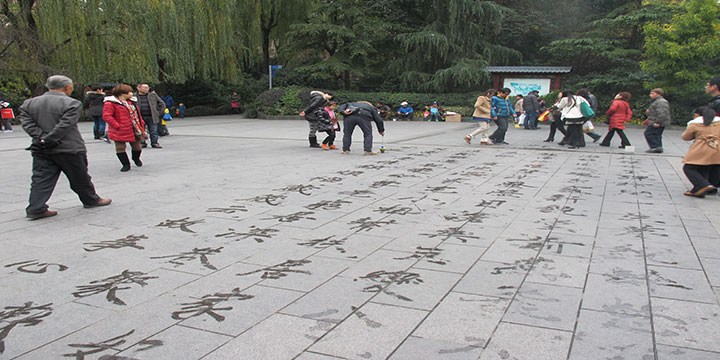
People relaxing in Chengdu People's Park
Chengdu's history is not limited to the modern panda image. The ancient Shu archaeological record provides a powerful way to discuss how evidence changes what historians know. A family can choose Sanxingdui Museum for monumental bronze masks, gold, jade and the excavation story, but it is in Guanghan outside central Chengdu and deserves most of a day. Real-name reservation and the original booking document may be required; verify the museum's current release time, gate and guide options. Use an official audio guide or a qualified interpreter and discuss why archaeologists document context instead of simply collecting beautiful objects. Jinsha Site Museum is within Chengdu and often easier for a shorter stay. Its combination of an excavation hall, museum displays and grounds can suit children who benefit from seeing where objects were found. Do not rush both museums into one day. Choose Sanxingdui for scale and a dedicated excursion; choose Jinsha for a city-based archaeology day with more recovery time. Photography, temporary-gallery and accessibility rules should be checked on the date.
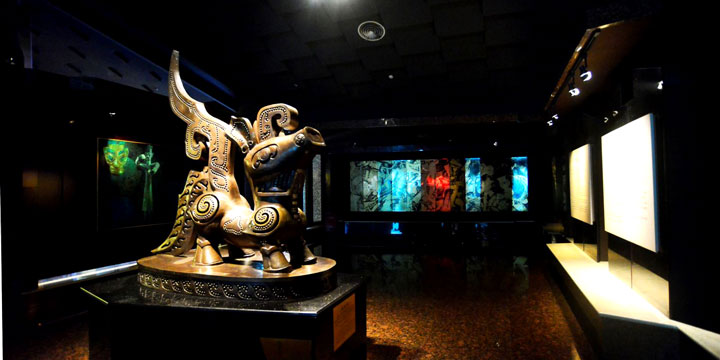
Bronze displays inside Sanxingdui Museum
Chengdu food ranges from mild broths and snacks to numbing-hot dishes; not every local food is very spicy, and ‘slightly spicy' is not an allergy instruction. At Jinli Old Street families can compare small portions, watch snack preparation and discuss the commercial revival of a historic-style street. The official precinct may have broad access hours while individual merchants keep different hours, so recheck holiday and weather notices.
Start with one savoury item, one sweet item and water rather than buying from every stall. Ask about peanuts, sesame, soy, wheat, shellfish, meat broth and shared oil when relevant; a translated allergy card is essential for serious allergy. Choose food cooked thoroughly and served hot, supervise skewers and boiling liquids, and avoid pressuring a child to eat chilli. Sugar painting can demonstrate a craft process, but confirm the price before it begins and ask before photographing the maker.
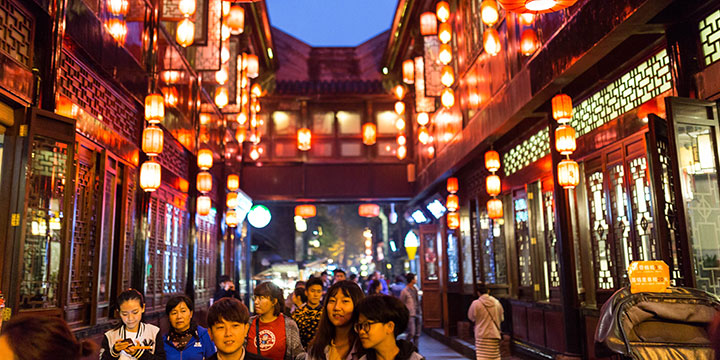
Food stalls and traditional-style buildings on Jinli Old Street
Kuan Zhai Alley combines preserved street patterns, reconstructed or adapted buildings, shops and restaurants. It is more valuable when children look for courtyard entrances, roof details and the contrast between conservation and commercial use. It is not a complete picture of ordinary Chengdu neighbourhood life. Set a short route and a budget. Crowds can be dense at midday, during holidays and in the evening; agree on a meeting point and keep younger children within reach. Check materials and origin before calling an item handmade or local, avoid wildlife products and questionable antiques, and retain receipts for higher-value purchases. Families who dislike shopping can use the area as a 60–90 minute architecture walk and move on.
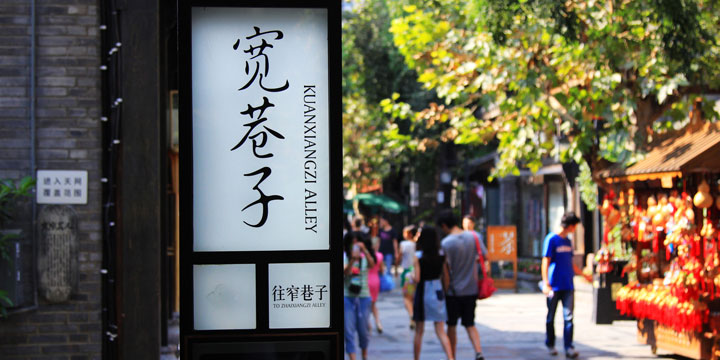
Courtyard street scene in Chengdu's Kuanzhai Alley
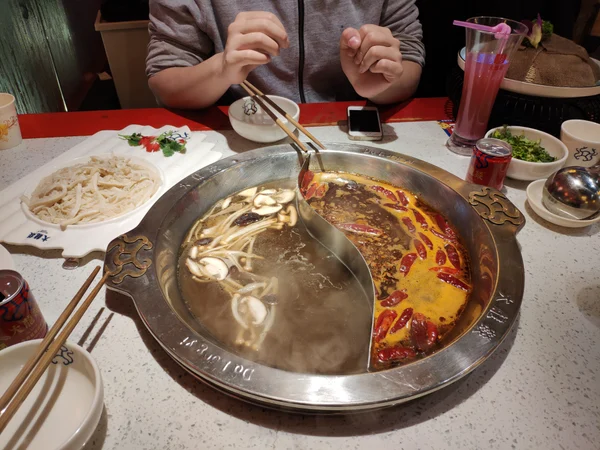
A cooking activity should teach more than a recipe. Ask whether the programme is at the Sichuan Cuisine Museum or an independent school, and confirm the exact venue, transport, group size, English support, market component and child participation. Useful lessons distinguish chilli heat from the citrus-like numbing sensation of Sichuan pepper, explain fermented broad-bean paste and show how cutting, oil temperature and timing affect a dish. Avoid unsupported claims that one venue is the world's only food museum.
Before payment, disclose allergies, coeliac disease, vegetarian or religious diets and ask about broth, sauces, shared woks and cross-contact. Children should have age-appropriate tasks; an adult or instructor handles cleavers, boiling oil and high flames. A split mild-and-spicy hot pot can reduce heat but does not eliminate cross-contact. If the kitchen cannot meet a medical restriction, join the interpretation portion and use a safe meal alternative.
A Sichuan opera evening may include singing, percussion, comedy, acrobatics, puppetry or the celebrated face-changing technique; the exact programme varies. Face-changing is one performance skill within a broader regional theatre tradition, not the whole art form. Check duration, start and finish time, seat sightlines, language support, volume, haze or flame effects and the venue's evacuation route before bringing a young child.

Sichuan Opera can be loud and visually intense. Sit near an aisle if a child may need a break, carry appropriately fitted hearing protection and never promise backstage access or fire effects. A shorter matinee or cultural demonstration may suit younger children better. Families who want to compare a dedicated venue can review the Shufeng Yayun Sichuan Opera guide, then confirm the current programme directly.
Day 1: recover in People's Park and choose Jinli or Kuanzhai, not both at peak crowd time. Day 2: reserve the Chengdu Panda Base for the morning and keep the afternoon light. Day 3: choose Jinsha for a city archaeology day or Sanxingdui for a separate Guanghan excursion. Day 4: add a supervised cooking activity and an age-appropriate opera performance. The Chengdu activities overview can help compare alternatives without duplicating the same type of experience.
Read more Chengdu family planning and China family travel . Before booking, request child bed and breakfast rules, guide hours, vehicle and child-restraint details, admission channels, walking expectations, accessibility, insurance and cancellation terms. Ask for a tailored route only after choosing the family's panda-welfare, rest-time and food-safety boundaries. The best Chengdu family trip leaves room to observe. A child who can explain one panda-welfare rule, one archaeological question and one Sichuan flavour has gained more than a family hurried through seven attractions.
From $ 509
From on request
From on request
Editorial accountability
Hu Lei, CEO. The named owner is responsible for travel-planning accuracy and escalation of time-sensitive checks.
Yuntian Travel (Yunnan) Group is identified in its corporate profile as a licensed professional inbound travel service provider based in Kunming, China. Registration and travel-service documents can be requested before booking.
Page-specific references where cited, official destination, transport and entry notices, YUNSKY route-planning records, and direct provider confirmation before a booking is finalized.
Content is reviewed when rules, transport, access, pricing or route conditions change. Final availability and operating details are reconfirmed for each traveler’s dates.
Quality review: Page updated: