Your China & Yunnan Travel Experts

 Ask a Question
Reviewed August 28, 2026. Tibetan festivals are not one continuous tourist season or a single regional calendar. Religious observances, agricultural celebrations, family New Year customs and modern civic programs overlap, but each belongs to a particular community, institution and year. The Gregorian date moves for lunar festivals, while some harvest and horse-racing events are selected locally. Use the Tibetan calendar guide to understand the date system, then verify the current organizer's notice before booking. This page focuses on what a traveler may reasonably encounter, what remains private and how to avoid turning living culture into a staged checklist. Four distinctions prevent most planning errors: traditional date versus public-program date, religious observance versus entertainment, a Tibet-wide holiday versus a local event, and historical photography versus the current visitor experience.
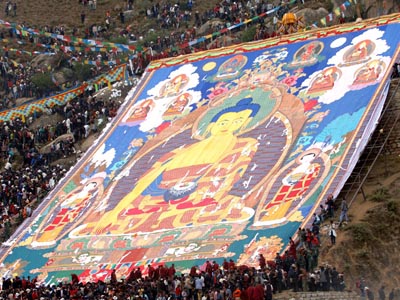
Choose by purpose rather than by a list of “must-see” spectacles. Losar offers New Year context but much family time is private; Saga Dawa and Chokhor Duchen are primarily religious; Shoton combines sacred display, Tibetan opera and public activities; Ongkor and horse festivals depend on local agricultural or civic calendars. Arrive with an ordinary sightseeing plan that still works if an event is closed, rescheduled or too crowded. Acclimatize before early monastery walks, keep doorways and pilgrimage routes clear, ask before photographing people, and never fly a drone over worship or crowds. The Tibetan opera guide helps distinguish a documented performance tradition from costume-only marketing, while the Tibetan customs guide covers consent, greetings and household privacy. Before paying a festival surcharge, request the event's exact name, venue, organizer, date, included access and cancellation alternative in writing.