Your China & Yunnan Travel Experts

 Ask a Question
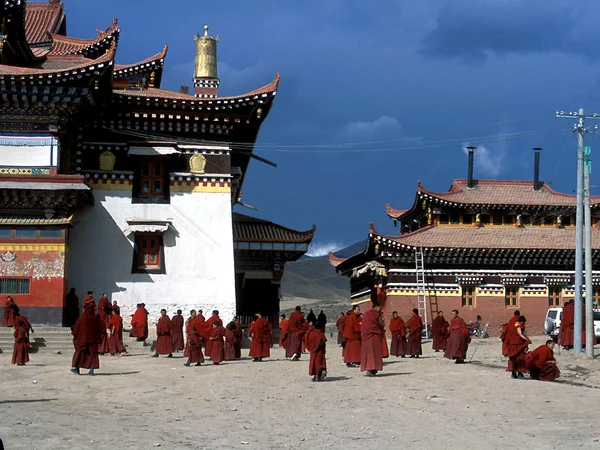
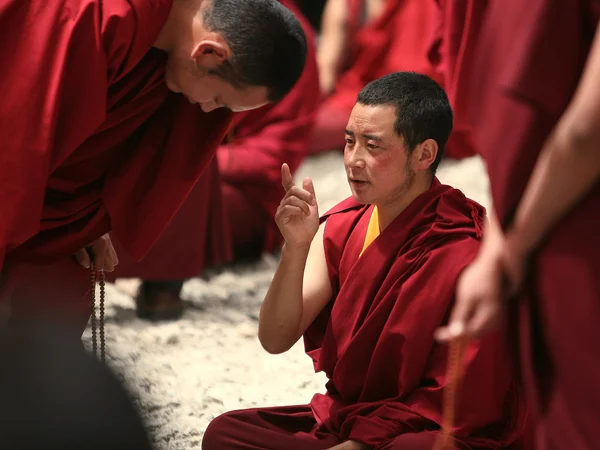
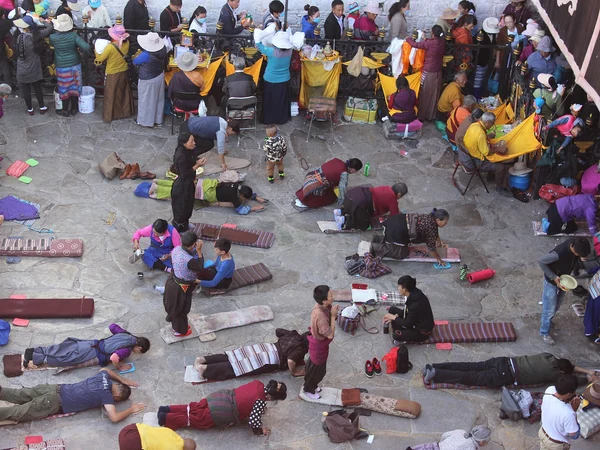
Religion in Tibet is visible in monasteries, pilgrimage circuits, household practice, art and the rhythm of public life, but it should not be reduced to scenery. Bon has deep roots in the Tibetan cultural world and remains a living tradition with its own texts, institutions and practices. Tibetan Buddhism developed through long contact with Indian Buddhist traditions and later formed several schools, lineages and regional institutions. The two histories interacted, yet describing Tibetan Buddhism simply as a “blend” of Bon and Buddhism erases important distinctions. Individual Tibetans also vary in observance, and Muslim and Christian communities are part of the region's social history. For travelers, the strongest introduction is a well-interpreted site rather than a list of labels. UNESCO's account of the Potala, Jokhang and Norbulingka shows how religious, administrative, architectural and artistic functions intersect in Lhasa. Begin with the Jokhang Temple guide, then look at the surrounding pilgrimage route as an active devotional landscape, not an outdoor stage set. At Sera, monastic debate can be educational when open to visitors, but its timing and access are controlled locally; use the Sera Monastery guide and verify the day's arrangements.
Inside a sacred space, slow down and follow the custodian's instructions. Walk in the direction used by local pilgrims, keep your voice low, remove a hat when requested and never touch statues, murals, scriptures, butter lamps or offerings. Do not sit on thresholds, point feet toward an altar, step over religious items or place a camera between a worshipper and the object of devotion. Photography rules can differ by room and may change for conservation or ceremonies; paying an entrance fee does not buy permission to photograph people. Ask before making a portrait, and do not record prostrations at close range. Drones, flash and tripods may be forbidden even outdoors. Thangka paintings are religious images as well as works of skilled design. UNESCO's Regong-arts record describes the disciplined transmission of painting and sculptural methods in Qinghai monasteries and villages. Read our Tibetan thangka guide before buying: ask who made a piece, what materials were used and whether it was created for devotion, teaching or the visitor market. Avoid touching an image, posing with it as a novelty or claiming an uncertain antique provenance. A guide may explain an image or ritual, but interpretation should distinguish documented history, community tradition and personal belief. Do not press monks or pilgrims to debate theology or politics, and never assume clothing alone identifies someone's school or status. Donations should go through the method the site provides; do not place money on an altar merely because another visitor did. If a ceremony is underway, stand where staff indicate and be willing to leave when access changes. A closed chapel or covered image is not a problem to solve. Yun Sky Travel can arrange timing and interpretation, but a monastery, community or practitioner decides what is open. The most trustworthy visitor leaves with better questions, not a collection of intrusive photographs.