Your China & Yunnan Travel Experts


A China summer trip can work well when the route matches regional climate and the day is paced around heat, rain and school-holiday demand. June through August does not feel the same in Beijing, Shanghai, Yunnan or Xinjiang, so plan by destination rather than treating China as one weather zone.
Many lowland cities are hot in summer, while humidity is often greater in eastern and southern regions. Northern and inland areas can be dry or exposed, and high-altitude destinations may have strong sun with cool evenings.
Rainfall patterns differ sharply. Southern and eastern routes may face heavy rain, and coastal areas can be disrupted by tropical weather. Monitor official local forecasts and transport notices instead of relying on long-range averages.
Build demanding outdoor visits into the morning, reserve midday for museums or rest, and carry water, sun protection and a light rain layer. Travelers with health or mobility concerns should reduce consecutive outdoor hours.
July and August overlap with school holidays and can bring heavier domestic demand. June may be less crowded on some routes, but it is not universally cooler or drier. Confirm attraction reservation rules shortly before travel.
Beijing
Beijing combines major indoor and outdoor heritage. Start a Great Wall day early, allow shade and rest, and avoid assuming every section has the same access or facilities. Palace and museum visits often require advance identity-based reservations.
Pair the Forbidden City area with a less exposed afternoon rather than trying to cross the entire historic center at midday. Summer thunderstorms can affect outdoor timing, so keep a flexible evening.
At the Great Wall, shade can be limited and stone surfaces reflect heat. Choose a section and route matched to fitness, carry water, and do not depend on a cable car without checking current operation.
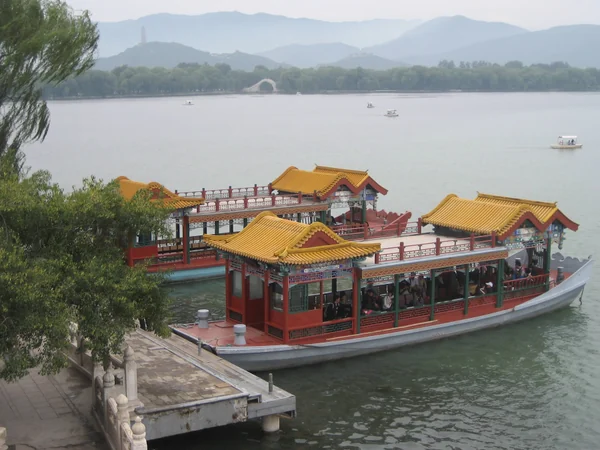
Use the China destinations hub to compare Beijing with cooler or higher-elevation alternatives before fixing the route.
Xi'an's archaeological and city-wall sights remain rewarding in summer, but exposed surfaces can become very hot. Visit the City Wall in the morning or evening and allow indoor breaks between central-city stops.
The Terracotta Warriors complex involves substantial walking and crowds. Confirm current ticketing and transport arrangements, carry water and leave time for the museum rather than treating it as a quick photo stop.
Xi'an connects logically with Beijing and Shanghai by rail or air, but a three-city summer route needs rest time rather than continuous early starts.
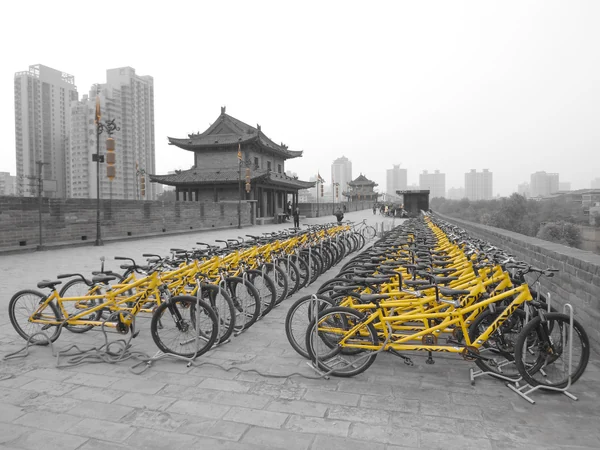
Shanghai is hot and humid in much of summer. Use museums, galleries and shaded historic districts strategically, then move Bund and skyline walks to the evening when conditions may be more comfortable.
Rain can be intense even when brief. A compact umbrella, breathable clothing and a flexible indoor alternative make the day more reliable.
If regional weather is unsettled, avoid placing a non-refundable water-town excursion at the only available time.

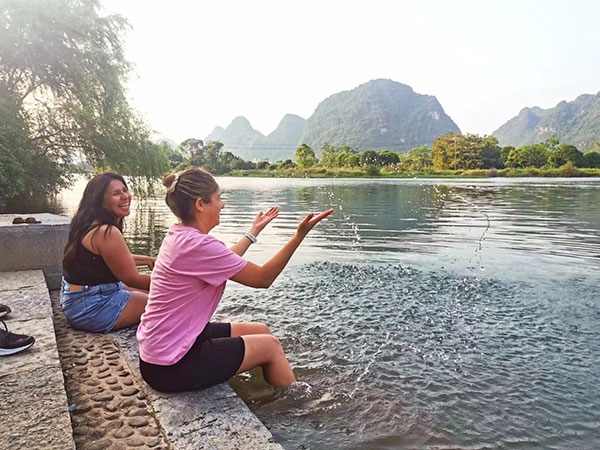
Guilin's karst scenery is green in summer, but heat, humidity and heavy rain can affect river and countryside activities. Check the operating conditions of cruises and rafting locally.
A Li River cruise and a Yulong River countryside day offer different experiences: one is a longer scenic transfer, while the other is a local activity around Yangshuo. Neither removes the need for sun and rain protection.
Add Longji only when road time and walking suit the group. Wet stone paths can be slippery, and terrace appearance changes with the agricultural season.
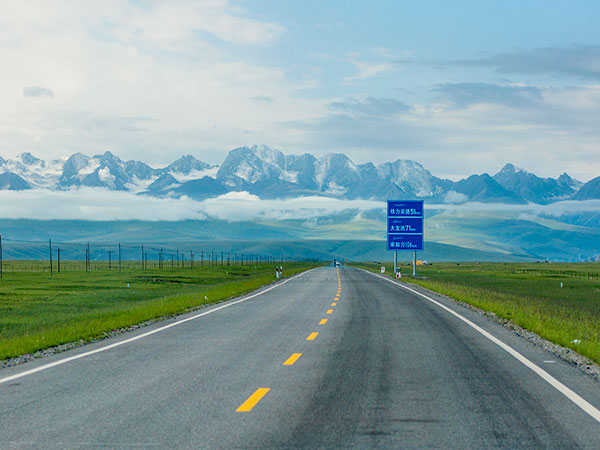
Xinjiang offers grasslands, lakes, desert basins and mountain scenery, but distances are exceptionally large. Select one coherent region instead of collecting far-apart names on a short itinerary.
Conditions vary between hot lowland basins and cooler mountain areas. Pack layers, sun protection and sufficient water, and check current access requirements through official sources before departure.
Long driving days can reduce actual sightseeing time. Compare a northern Kanas route with an Urumqi–Turpan route rather than assuming they fit comfortably together.
Summer is a high-demand season, so confirm transport and accommodation earlier than for an ordinary city break.
The China Tours collection can help compare realistic multi-region pacing.
Yunnan's elevation creates varied summer conditions. Kunming and Dali can feel milder than many lowland cities, while rain is frequent and Lijiang or Shangri-La may be cool at night.
Plan rain alternatives and do not treat highland sun as weak. Travelers continuing to Shangri-La should increase altitude gradually and avoid an overfilled first day.
A Kunming–Dali–Lijiang route is easier to pace than adding every province highlight. Browse Yunnan Tours for regional combinations, then confirm weather and transport for the exact travel dates.

From $ 1599

From $ 22782050

From $ 2686
Editorial accountability
Hu Lei, CEO. The named owner is responsible for travel-planning accuracy and escalation of time-sensitive checks.
Yuntian Travel (Yunnan) Group is identified in its corporate profile as a licensed professional inbound travel service provider based in Kunming, China. Registration and travel-service documents can be requested before booking.
Page-specific references where cited, official destination, transport and entry notices, YUNSKY route-planning records, and direct provider confirmation before a booking is finalized.
Content is reviewed when rules, transport, access, pricing or route conditions change. Final availability and operating details are reconfirmed for each traveler’s dates.
Quality review: Page updated: