Your China & Yunnan Travel Experts


Reviewed August 28, 2026. China does not publish a simple current census count of individual Muslims. The 2020 national census records ethnicity, not personal religion, and religious belief should not be inferred mechanically from an ethnic label. A 2018 State Council white paper referred to ten minority ethnic groups whose majority populations historically believe in Islam and said their combined population exceeded 20 million; that is context, not an exact believer count for today.
For travel planning, population rankings matter less than city, neighborhood, registered mosque, language, food needs and current access. Use this page to understand distribution and diversity, then use the introduction to Muslims in China for historical context.
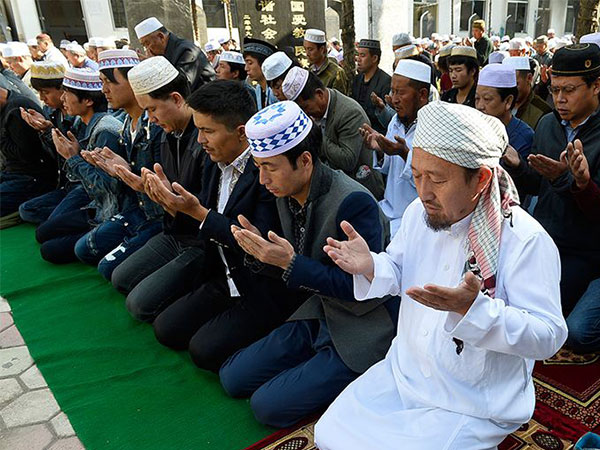
Muslim communities are present across China. Northwest China contains major concentrations, while long-established Hui communities and newer mobile populations are found in northern, central, eastern and southern cities. The old page's province-by-province “Muslim population” and mosque counts mixed dated ethnic estimates with unverified venue totals; the replacement matrix is qualitative and travel-focused.
Regional planning matrix
| Pattern | Area | Why it matters | Traveler check |
| Northwest focus | Xinjiang | Large and diverse Muslim communities; city and prefecture context matters | Check current transport, venue and local notices |
| Northwest focus | Ningxia | Hui cultural and religious life is prominent | Do not assume every site is a public attraction |
| Northwest focus | Gansu | Important communities in Lanzhou, Linxia and other areas | Plan by city and verify road time |
| Northwest focus | Qinghai | Hui, Salar and other communities in a high-altitude province | Add altitude, weather and language planning |
| Southwest network | Yunnan | Long-established Hui communities in several cities and counties | Distances and local access vary greatly |
| Central China | Henan | Historic Hui communities and active urban mosques | Confirm the exact city rather than using province totals |
| North China | Hebei | Muslim communities occur across multiple cities and counties | Festival activity is locally scheduled |
| East China | Shandong | Urban and county-level Muslim communities | Mosque access and restaurant hours need direct checks |
| Major city | Beijing | Niujie and other mosques provide visible historical context | Separate worship space from visitor space |
| Major city | Shanghai | Multiple mosques serve a mobile international city | Friday and festival capacity can affect access |
China-wide urban presence and trip planning. Work city first: identify the exact registered mosque, confirm whether non-worship visitors are welcome, check prayer and festival timing, then map halal meals and transport separately. A restaurant directory does not prove a mosque is nearby, and an exterior photo does not prove that a prayer hall is open.
| City or region | Useful planning note | City or region | Useful planning note |
| Beijing | Historic mosques; verify visitor hours | Tianjin | Confirm current mosque and food options |
| Shanghai | Urban mosques; Friday access may tighten | Inner Mongolia | Plan by city, not autonomous-region label alone |
| Shaanxi | Xi'an has strong visitor interest; worship remains primary | Jiangsu | Nanjing and other cities require venue checks |
| Fujian | Coastal Islamic history needs site-specific evidence | Hunan | Smaller communities may have limited visitor services |
| Jilin | Winter weather affects transport and access | Heilongjiang | Confirm heating, opening and return transport |
| Chongqing | Use municipal mosque notices | Guangdong | Guangzhou and Shenzhen have different networks |
| Hainan | Sanya community context is locality-specific |
Official materials often discuss ten minority ethnic groups whose majority populations historically believe in Islam: Hui, Uyghur, Kazak, Kyrgyz, Tajik, Uzbek, Tatar, Salar, Dongxiang and Bonan. This is not a declaration about every individual's belief or practice. Use community names accurately, avoid costume stereotypes and ask a person how they identify rather than assigning an identity from appearance.
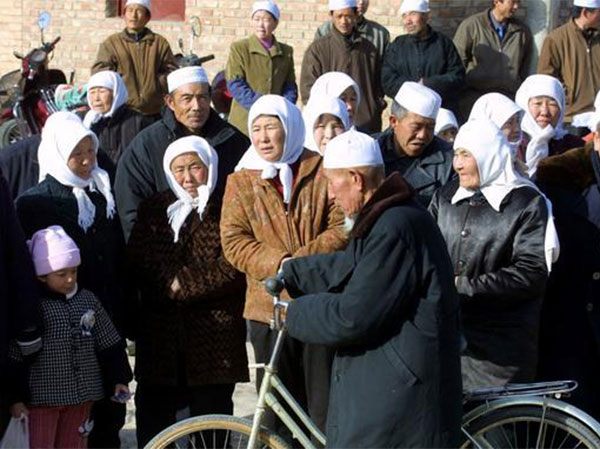
Hui communities are geographically widespread and usually use Chinese in daily life, while local food, mosque architecture and family custom vary. A Beijing, Ningxia, Yunnan or Hainan Hui community should not be treated as interchangeable. The Muslim guide to Shanghai shows how a city-specific approach improves transport and access planning.
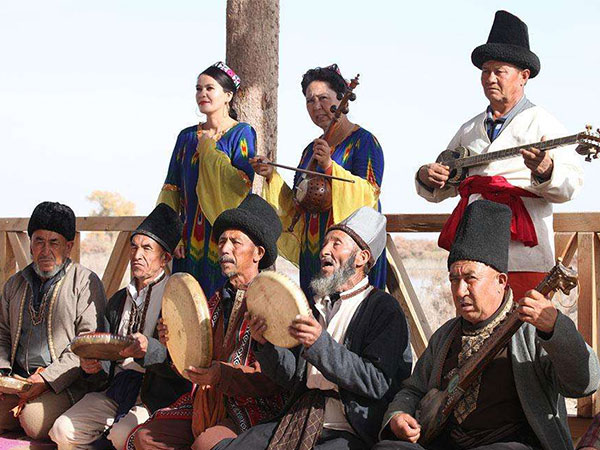
Uyghur communities are especially associated with Xinjiang and the Uyghur language. Travelers should plan by the exact city or prefecture, respect current local rules and avoid turning markets, music, clothing or prayer into a single exotic stereotype. See the Muslim guide to Xinjiang for regional context and trip checks.
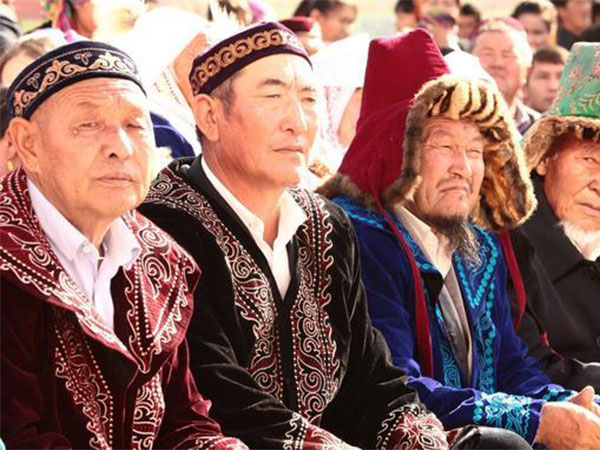
Kazak communities are concentrated mainly in northern Xinjiang, including Ili Kazak Autonomous Prefecture, with Kazak language and pastoral traditions forming part of a much broader modern life. “Kazakhstan” is a country, not the name of the Chinese ethnic group; the old label is corrected to Kazak.
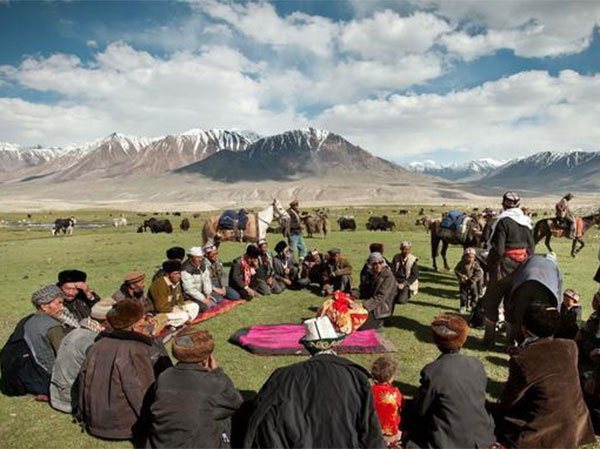
Kyrgyz communities are found principally in Kizilsu Kyrgyz Autonomous Prefecture and other parts of Xinjiang. “Khalkhas” was an incorrect label on the old page. Mountain access, border-region rules, weather and language support require destination-specific preparation.
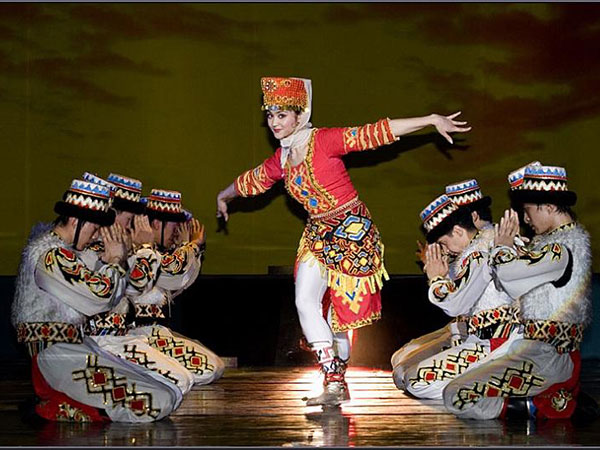
Tajik communities are strongly associated with Tashkurgan Tajik Autonomous County and other parts of the Pamir region. High altitude, long road journeys and current permits or access notices are practical travel issues; a staged dance photograph should not be presented as a complete account of community life.
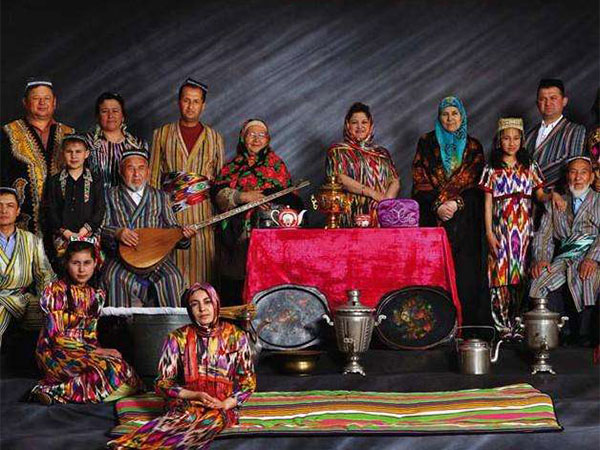
Uzbek communities in China are relatively small and urban or dispersed, including communities in Xinjiang. Language, family history, work and city life matter alongside music or dress; request consent before photographing a performance or private gathering.
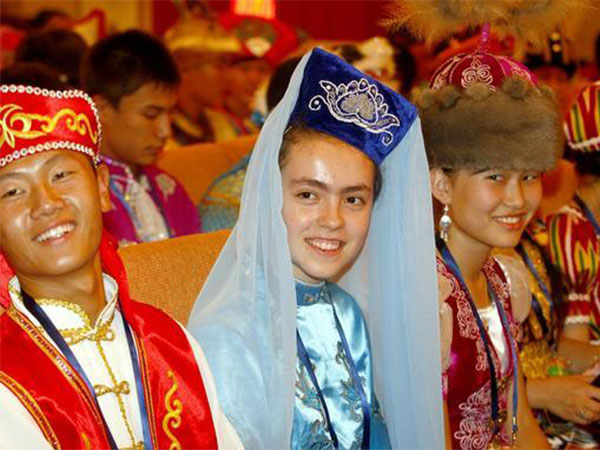
Tatar communities are among China's smaller officially recognized ethnic groups, with historic presence in cities such as Yining and Tacheng. A colorful group portrait can document an event, but it does not establish every participant's religion, occupation or daily dress.
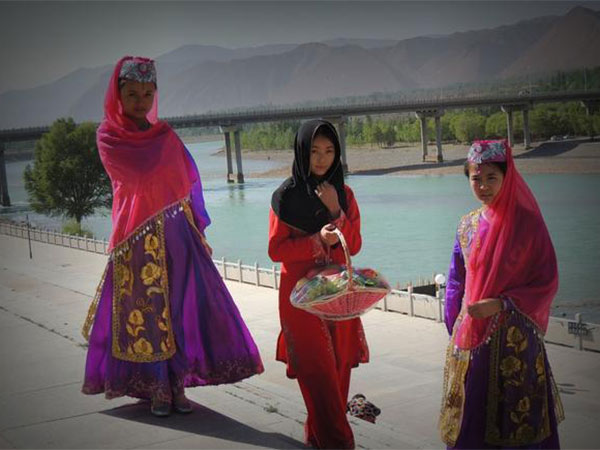
Salar communities are especially associated with Xunhua Salar Autonomous County in Qinghai and nearby areas. Use the name Salar, not the old mistranslation “Sala.” High-altitude conditions, road time and community permission should be planned before a village visit.

Dongxiang communities are centered in Gansu, including Dongxiang Autonomous County, with additional communities elsewhere. Visitors should distinguish an invited cultural demonstration from ordinary private life, and should not enter courtyards or workshops simply because a tour once did.
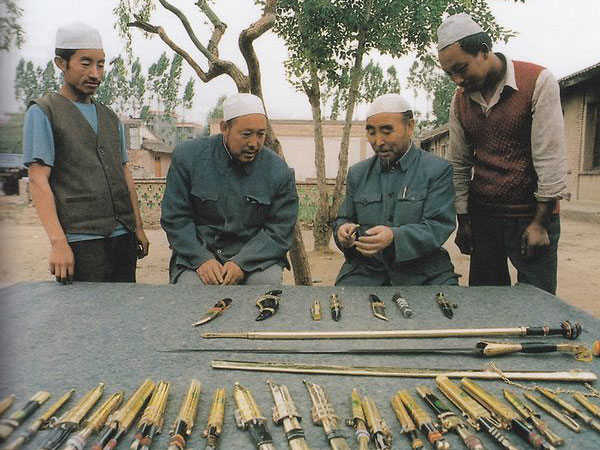
Bonan communities are associated particularly with Jishishan Bonan, Dongxiang and Salar Autonomous County in Gansu. The old spelling “Baoan” can refer to the same ethnic name in older romanization, but Bonan is the current English form. Craft, language and faith should be described only with evidence from the exact community.
From $ 1226
From $ 2183
Editorial accountability
Hu Lei, CEO. The named owner is responsible for travel-planning accuracy and escalation of time-sensitive checks.
Yuntian Travel (Yunnan) Group is identified in its corporate profile as a licensed professional inbound travel service provider based in Kunming, China. Registration and travel-service documents can be requested before booking.
Page-specific references where cited, official destination, transport and entry notices, YUNSKY route-planning records, and direct provider confirmation before a booking is finalized.
Content is reviewed when rules, transport, access, pricing or route conditions change. Final availability and operating details are reconfirmed for each traveler’s dates.
Quality review: Page updated:
