Your China & Yunnan Travel Experts


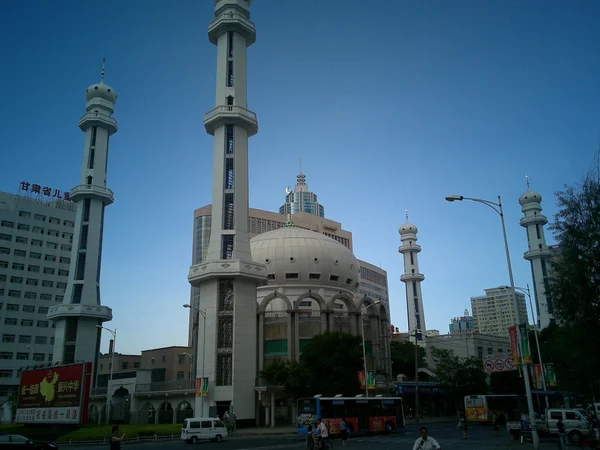
Gansu is better understood as a corridor of exchange than as a single point of origin for Islam in China. The province linked the Central Plains with Hexi Corridor oases and routes farther west. Merchants, envoys, soldiers, scholars and families moved through these networks over many centuries, while Muslim communities developed in different places and periods. The Silk Road route guide provides the geographic frame without reducing a living faith to a trade-route story.
Written records, inscriptions, local gazetteers, mosque histories and material culture do not always give the same date or explanation. A responsible account therefore separates documented evidence from later community tradition. It also avoids the inaccurate claim that all Gansu Muslims share one ancestry, language, school or historical experience.
Lanzhou grew around a Yellow River crossing and regional markets. Linxia, historically associated with Hezhou, became an important center of commerce, scholarship, craft and religious life. Other communities developed in Tianshui, Zhangye, Jiuquan and smaller towns. These places should be read in their own local context rather than ranked by a single mosque count that can quickly become outdated.
Religious learning in northwest China includes multiple interpretive and institutional traditions. Terms such as gedimu, yihewani and menhuan belong to specific histories and should not be used as labels for every individual or neighborhood. Visitors do not need to classify a congregation; they should follow the guidance of the active place and avoid treating worshippers as exhibits.
Architecture also varies. Some mosques use Chinese timber planning, courtyards, tiled roofs and calligraphic decoration; others show later regional or international influences. Reconstruction after fire, earthquake, urban change or ordinary repair means that a building visible today may contain several historical layers. Read the posted site history and do not infer an exact construction date from style alone.
A useful cultural itinerary combines religious heritage with markets, foodways, brick carving, tea culture and neighborhood history. Use the Gansu destination guide to connect Lanzhou and Linxia without turning an active community into a checklist. Museum or local-guide interpretation is preferable when inscriptions, sectarian history or restoration chronology matter.
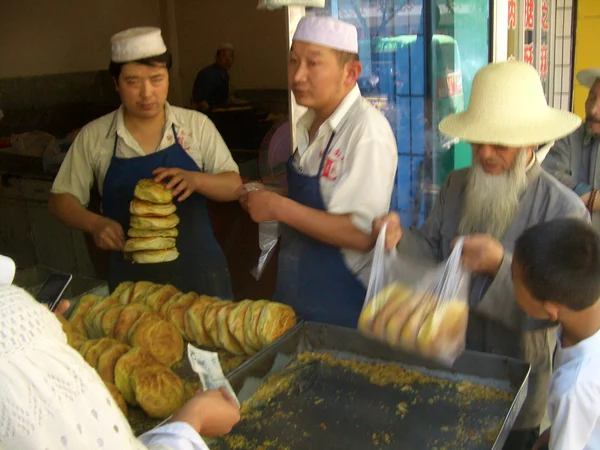
Gansu is home to Hui, Dongxiang, Bao'an, Salar, Han, Tibetan and other communities, and religious identity does not erase ethnic, linguistic or local differences. Linxia Hui Autonomous Prefecture is especially diverse. The official regional material emphasizes coexistence, craft traditions and living neighborhoods; it is more reliable than repeating an undated population total from a legacy tourism page.
Food is one practical entry point, but halal practice is not a decorative theme. Look for the Chinese term qingzhen, explain dietary needs clearly, and confirm ingredients and shared preparation when an allergy is involved. The halal food guide for China explains how to ask respectfully without claiming that every restaurant or dish follows the same standard.
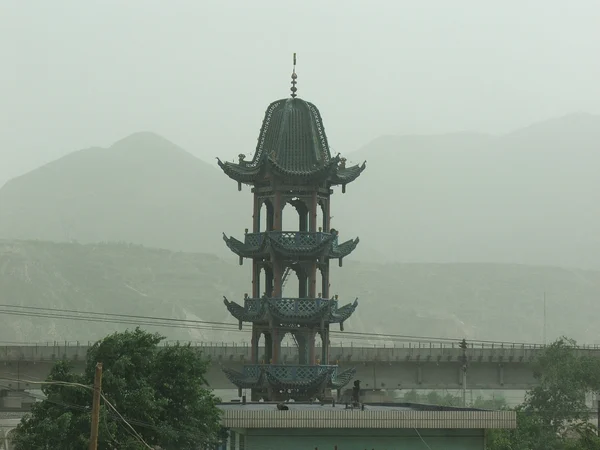
Treat every mosque first as an active place of worship. Check whether non-worshippers may enter, avoid prayer times unless invited, wear modest clothing, keep voices low and ask before photographing people, prayer halls or religious texts. Women and men may be directed to different areas. A closed door, private ceremony or request not to photograph is a complete answer, not a negotiation.
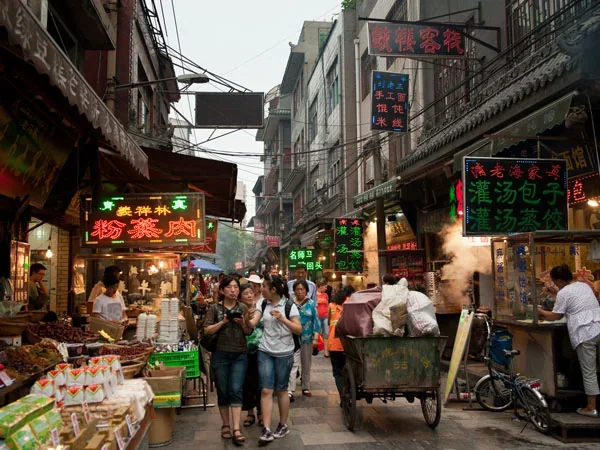
Do not publish worshippers' faces, children or private conversations without informed consent. Use exterior architecture, public street scenes and approved museum displays when photography is restricted. Opening hours, access rules and building names can change, so verify locally on the day. Yun Sky Travel can help sequence transport and interpretation, but the congregation or site manager controls access.
From $ 1226
From $ 2183
Editorial accountability
Hu Lei, CEO. The named owner is responsible for travel-planning accuracy and escalation of time-sensitive checks.
Yuntian Travel (Yunnan) Group is identified in its corporate profile as a licensed professional inbound travel service provider based in Kunming, China. Registration and travel-service documents can be requested before booking.
Page-specific references where cited, official destination, transport and entry notices, YUNSKY route-planning records, and direct provider confirmation before a booking is finalized.
Content is reviewed when rules, transport, access, pricing or route conditions change. Final availability and operating details are reconfirmed for each traveler’s dates.
Quality review: Page updated:
