Chengdu's best souvenirs connect a product to a documented local craft or food tradition. This guide focuses on how to recognize materials, ask useful questions and transport purchases safely—without claiming that every item sold in the city is locally handmade. Plan shopping around the
Chengdu travel guide, and use established museum shops, artisan studios or retailers that provide itemized receipts. Reviewed August 28, 2026.
Shu Brocade
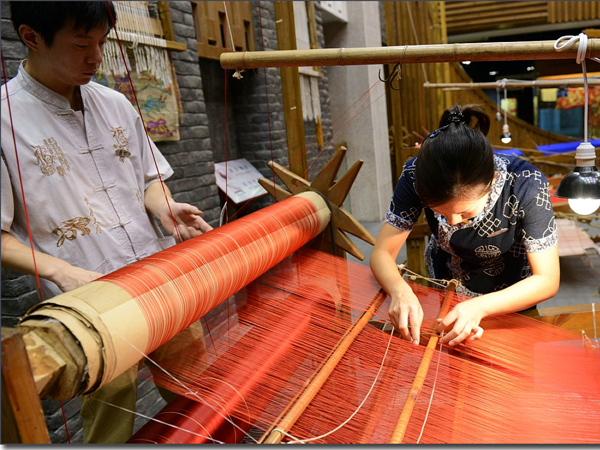
Shu brocade is patterned silk woven in the Chengdu region. China's national intangible-cultural-heritage record traces more than two millennia of development and identifies the cooperation of pattern designer, pattern programmer, drawloom assistant and weaver as central to the traditional drawloom process. The retained image shows a real weaving demonstration.
Ask whether the item is handwoven, mechanically woven or printed; examine the reverse, edge finishing and fibre label. A small handwoven panel can cost more than a larger machine-made scarf because labour, pattern preparation and silk quality differ. Avoid the outdated claim that only one factory survives.
Chengdu Lacquerware
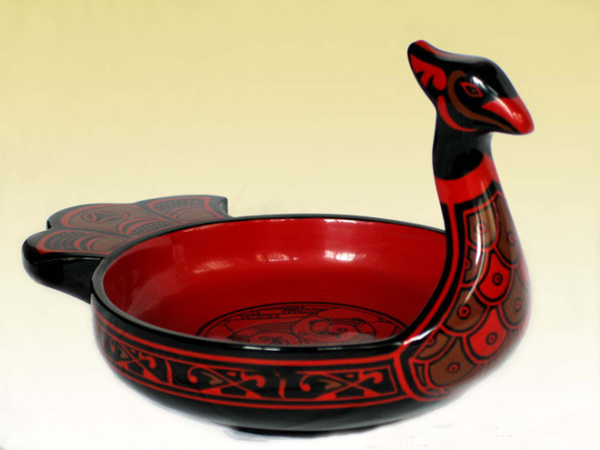
Chengdu lacquerware may use wooden, fabric-reinforced or other prepared bodies, with repeated coating, decoration and polishing. Smooth edges, controlled inlay or colour filling, an even base and a clearly described technique matter more than a mirror-like shine alone.
Ask about the core, lacquer material, decoration method and care. Keep the retained lacquerware image with this section. Protect finished pieces from hard knocks, prolonged direct sun and extreme dryness, and do not use household solvent on the surface.
Shu Embroidery
Shu embroidery is a Sichuan needlework tradition known for disciplined stitch direction and smooth tonal transitions. The two retained images show embroidery detail and remain adjacent to the explanation rather than serving as generic decoration.
Before buying, inspect the back when possible, ask whether the silk ground and threads are natural or synthetic, and distinguish hand embroidery from machine embroidery or printed imitation.
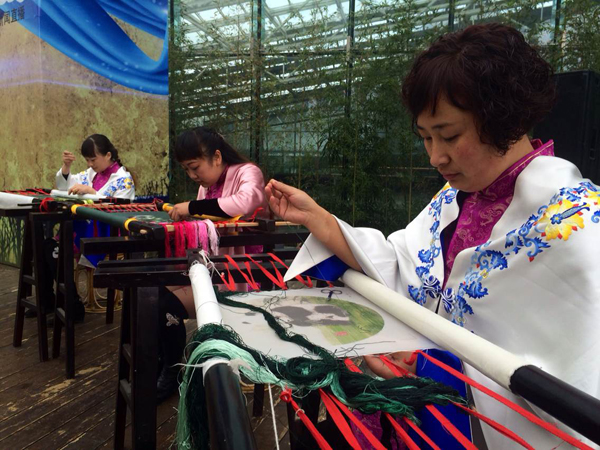
A work's subject may be traditional, contemporary or made for the visitor market; motif alone does not establish age. Request the maker or studio name, dimensions, materials and mounting method in writing.
For framed embroidery, check glazing, backing and moisture protection. Textiles should travel rolled around a wide acid-free core only when the maker recommends it; otherwise pack flat without crushing stitches.
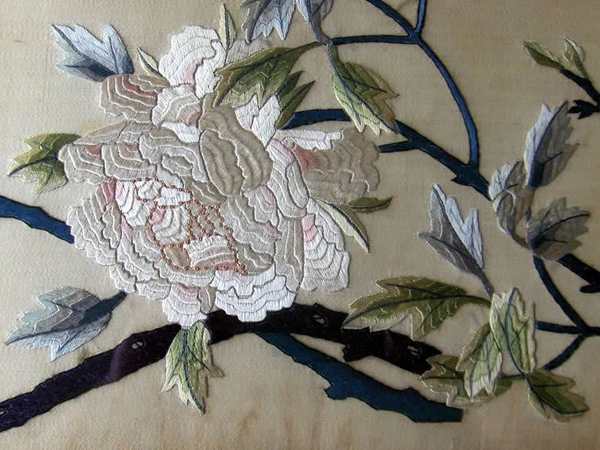
Evidence note: historical craft status is durable, but workshop names, demonstrations and retail stock change. Verify access and never attribute a piece to a named master without documentation.
Bamboo-Wrapped Porcelain
In bamboo-wrapped porcelain, fine bamboo strips are woven around a porcelain form. The retained photograph shows the correct craft. Look for even spacing, secure transitions at the rim and base, smooth strips and a porcelain body free from unstable cracks.
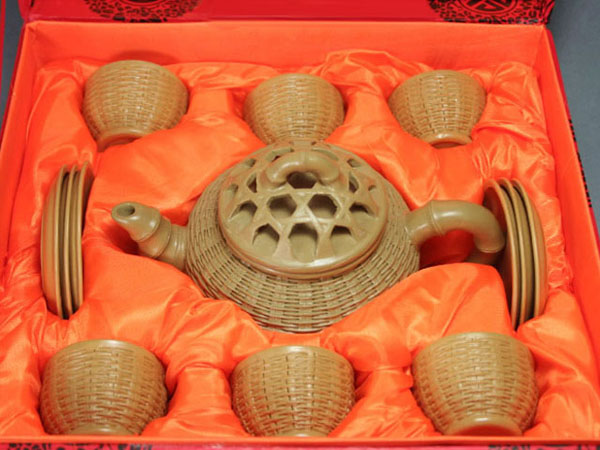
Ask whether the bamboo was hand-split and woven, whether the vessel is intended for food use and how it should be cleaned. Avoid soaking the bamboo, dishwashers and long exposure to steam unless the maker provides different care instructions.
Sichuan Liquor
Sichuan produces several major baijiu traditions, but brand lists and rankings are not proof of quality. Buy sealed bottles from established retailers, check alcohol percentage, volume, tax seal and packaging, and retain the receipt. The retained Wuliangye photograph illustrates one well-known product without making a health or investment claim.
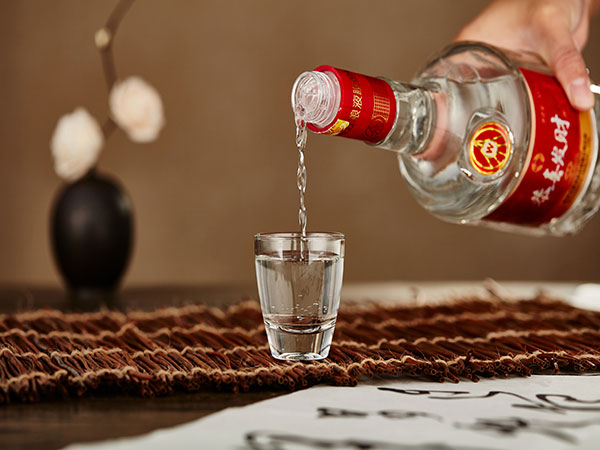
Airline, customs and destination-country alcohol allowances vary. Confirm checked-baggage rules and import limits before purchase; flammable alcohol above certain strengths may be restricted or prohibited.
Jasmine Tea
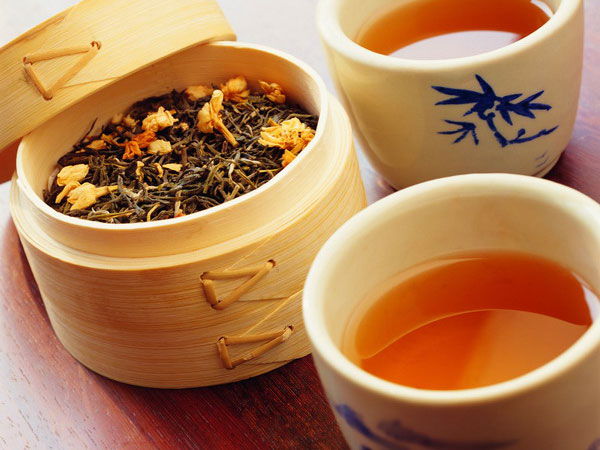
Chengdu teahouse culture makes tea a practical gift, but jasmine tea can be produced in many regions. Smell a sample for clean floral aroma rather than added perfume, inspect the leaf grade, and ask for harvest, scenting and packing information. The retained image remains with this section.
Pixian Douban
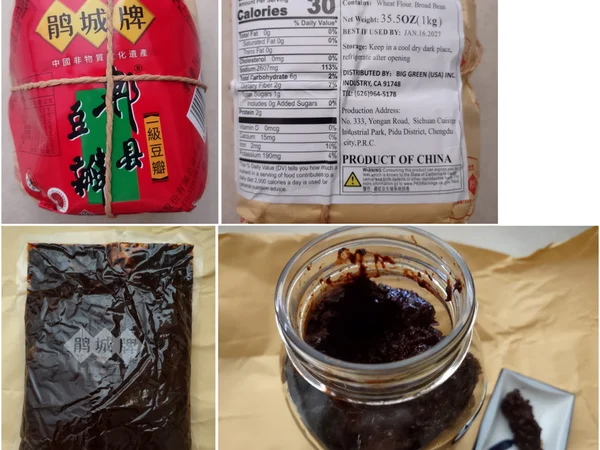
Pixian douban is a protected geographical-indication product associated with today's Pidu District. The replacement image is a real product-and-jar photograph, not a branded promotional banner. Check for a sealed package, producer details, production date, ingredient and allergen list, storage instructions and authorized geographical-indication marking. It is a fermented seasoning, not a ready-to-eat travel snack; keep it leakproof and confirm food-import rules for your destination. For a craft-and-food shopping walk, compare
Jinli Ancient Street; for a wider retail plan, use the
Chengdu shopping-streets guide.

 Ask a Question