Your China & Yunnan Travel Experts


A useful souvenir should connect to the place where it was made, survive the journey home and comply with Canadian and Chinese rules. This city guide focuses on craft context, food packaging, authenticity and transport practicality—not a generic shopping list. Ask for materials and origin, retain receipts for higher-value purchases and avoid wildlife products or objects presented as protected antiquities.
Cloisonné enamel
Small enamel pieces reflect a long Beijing craft tradition, but quality varies. Look for clean wirework, an even surface and a seller who can explain whether the item is handmade, workshop-produced or decorative mass merchandise.
Peking Opera design
Masks, figurines and textiles can represent specific character types. A museum or established arts shop offers more context than a generic souvenir stall, and a compact item is easier to protect in luggage.
Where to look
Panjiayuan is broad and requires careful judgment; museum shops and recognized craft retailers are easier for buyers who value provenance. Pack fragile enamel in hand luggage when airline rules allow.
Terracotta-warrior replicas
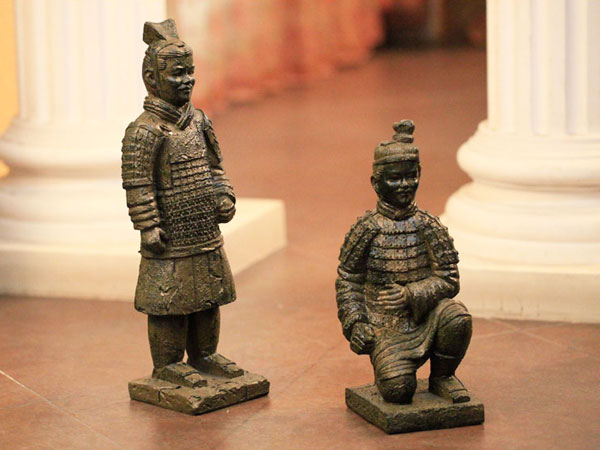
Choose a clearly modern replica rather than an object marketed with a vague archaeological story. Size, material and packaging matter more than artificial “aging,” and a receipt helps document an ordinary craft purchase.
Shaanxi shadow puppets
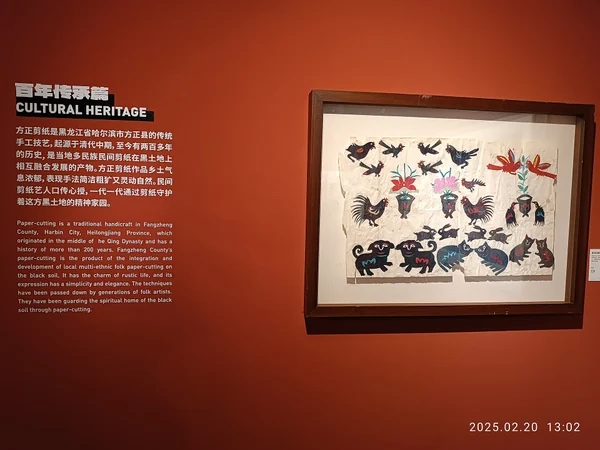
Traditional shadow figures use cut and colored material with articulated joints. Ask whether the piece is made for performance, display or tourism so the price and durability make sense.
Paper cutting and workshops
Shaanxi paper cutting is portable but delicate. Buy from a maker, workshop or cultural venue when possible, ask about the motif and protect the work between rigid sheets. This is a better cultural purchase than an unlabelled print.
Silk and textiles
Do not rely on a burn test or a salesperson's claim. Check fiber labels, stitching, return terms and the reputation of the retailer. Scarves and small textiles travel more safely than large framed work.
Shanghai-style food gifts
Packaged pastries or sweets should have intact factory sealing, ingredient information and a date that comfortably covers the return journey. Canadian food-import rules still apply.
Where to look
Museum shops, design stores and established food brands around central districts provide clearer labeling than anonymous market goods. Use the China destinations hub to connect shopping time with the actual city route.
Sichuan tea
Ask for the tea type, harvest information, storage advice and sealed packaging. A tasting is useful, but flavor preference matters more than the most expensive presentation box.
Sichuan opera and bamboo crafts
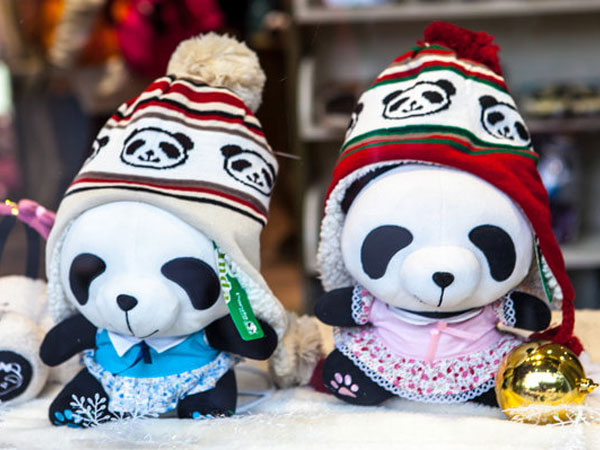
Small opera-themed objects or responsibly sourced bamboo products can be practical gifts. Avoid items using unidentified animal material and ask how painted or woven pieces should be protected.
Where to look
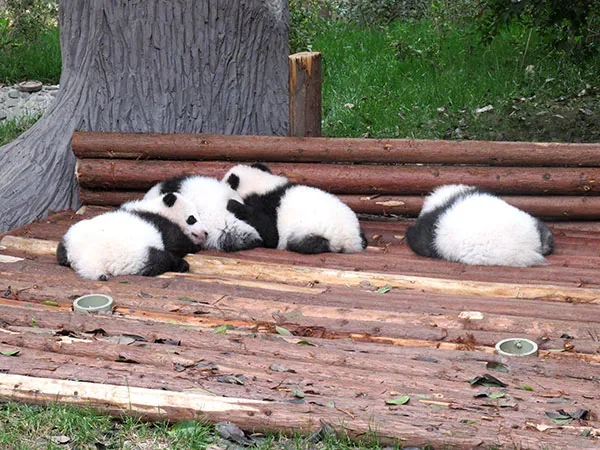
Tea houses with retail counters, museums and established craft shops provide context. A panda logo alone does not prove a product supports conservation.
Longjing tea
Longjing is associated with Hangzhou, but grade, origin and season affect the product. Buy from a reputable shop, request sealed packaging and be cautious of certainty claims about a precise village without documentation.
Silk umbrellas and fans
These objects combine function and decorative craft. Check the frame, opening mechanism, fabric tension and colorfastness, especially if the item will be used rather than displayed.
Where to look
Tea museums, recognized producers and craft streets can be combined with West Lake sightseeing. Allow time to compare rather than making a pressured purchase on a tour stop.
Osmanthus products
Osmanthus-flavored food and tea connect naturally to Guilin, whose name references fragrant osmanthus. Choose sealed, clearly labeled products and verify alcohol or food-entry restrictions before buying.
Zhuang and Yao textiles
Ask whether a textile is handmade, machine-woven or assembled from purchased fabric. Buy respectfully and avoid describing every colorful product as an “authentic minority artifact” without evidence.
Where to look
Established local-product shops and workshops in Guilin, Yangshuo or Longji can provide material and maker information. For regional craft planning, compare Yunnan Tours with a Guangxi route rather than merging distinct traditions.
Shopping Tips
Bargaining: Negotiate only where it is clearly part of the setting. Fixed-price shops, museums and chain stores are not the place for aggressive bargaining. A calm refusal is acceptable.
Authenticity and customs: Be skeptical of “ancient,” endangered-material or investment claims. Keep receipts, photograph labels, respect export controls and review Canadian import rules. The cultural etiquette guide explains respectful interaction with sellers and makers.

From $ 2498

From $ 23332100
From $ 22782050
Editorial accountability
Hu Lei, CEO. The named owner is responsible for travel-planning accuracy and escalation of time-sensitive checks.
Yuntian Travel (Yunnan) Group is identified in its corporate profile as a licensed professional inbound travel service provider based in Kunming, China. Registration and travel-service documents can be requested before booking.
Page-specific references where cited, official destination, transport and entry notices, YUNSKY route-planning records, and direct provider confirmation before a booking is finalized.
Content is reviewed when rules, transport, access, pricing or route conditions change. Final availability and operating details are reconfirmed for each traveler’s dates.
Quality review: Page updated: