Your China & Yunnan Travel Experts


“Chinese food” is not one flavor system. Regional cuisines reflect climate, agriculture, migration, preservation methods and local dining customs. This guide helps Canadian travelers choose representative dishes, understand spice and texture, communicate dietary needs and build food experiences into a route without treating one restaurant as proof of an entire region.
Sichuan cooking balances fragrance, heat, numbing peppercorn, fermented ingredients and contrasting textures; it is not simply the hottest food in China. Mapo tofu
Soft tofu, minced meat in many versions, fermented bean paste and Sichuan pepper create a layered dish. Vegetarians should confirm whether meat stock or mince is used.
Twice-cooked pork
Slices of pork are simmered, cut and stir-fried with fermented seasonings and vegetables. It is savory and rich rather than a neutral introduction.

Kung pao chicken
The Sichuan form balances chicken, peanuts, dried chili and sweet-sour notes. Peanut allergy must be communicated explicitly.
Order one cooling vegetable and plain rice beside stronger dishes. Explore regional context through the Chinese cuisine guide.
Cantonese food emphasizes ingredient quality, careful steaming, roasting and clear flavors, with Guangzhou and the Pearl River Delta offering deep dim sum traditions. Dim sum
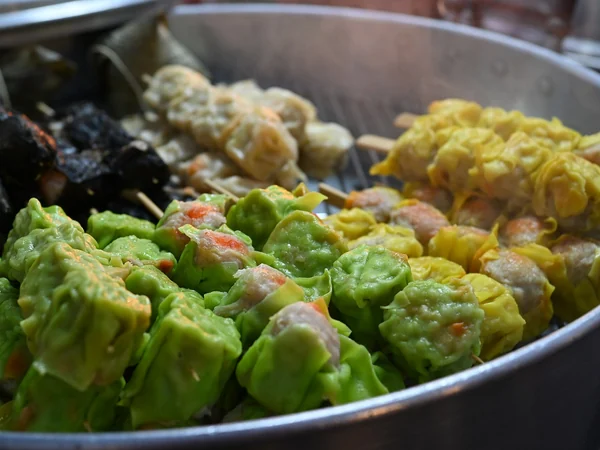
Small steamed, baked or fried dishes are shared with tea. Har gow, siu mai and rice rolls can contain shrimp, pork, wheat or sesame; ask instead of judging by appearance.
Roast meats
Char siu, roast goose and crisp pork are displayed and cut to order. Portion size and bones vary, so combine one plate with vegetables and rice.
Steamed fish
Whole fish may be priced by weight and served with ginger, scallion and soy. Confirm the weight and preparation before ordering.
Morning or lunch dim sum is often more natural than treating it as an all-day snack. The replacement photograph shows real dim sum rather than the former mooncake mismatch.
Hunan cuisine commonly uses fresh chili, pickled chili, smoking and bold aromatics. Its heat often feels direct and savory, differing from Sichuan's frequent numbing-peppercorn profile. Steamed fish head with chopped chili
A dramatic shared dish with strong chili and salt; it is not suitable for diners uncomfortable with bones or intense spice.
Chairman Mao's red-braised pork
Rich pork belly is slowly braised with sugar, soy and aromatics. Order a small portion as part of a shared meal.
Stir-fried preserved meats
Smoked or cured pork appears with vegetables and chili, expressing mountain preservation traditions but carrying substantial salt.
Use “less chili” as a request, not a guarantee of mildness. Ask for a non-spicy vegetable and soup as balance.
Jiangsu cooking includes refined banquet traditions and local styles from Nanjing, Suzhou, Yangzhou and the lower Yangtze, often valuing knife work, broth and seasonal balance. Yangzhou fried rice
A well-made version uses distinct grains with egg and finely cut ingredients. Recipes vary, so confirm pork, shrimp or other additions.
Nanjing salted duck
This cool-served specialty highlights curing and gentle aromatics. Expect bones and a firmer texture than roast poultry.
Lion's head meatballs
Large tender pork meatballs are braised or served in clear broth with vegetables. The name is figurative and does not describe the ingredient.
Jiangsu dishes can be subtle; taste before adding chili sauce or extra soy, especially at a restaurant focused on regional technique.
Zhejiang traditions around Hangzhou, Ningbo and Shaoxing favor seasonal produce, freshwater or seafood, gentle cooking and the aroma of local rice wine. Dongpo pork
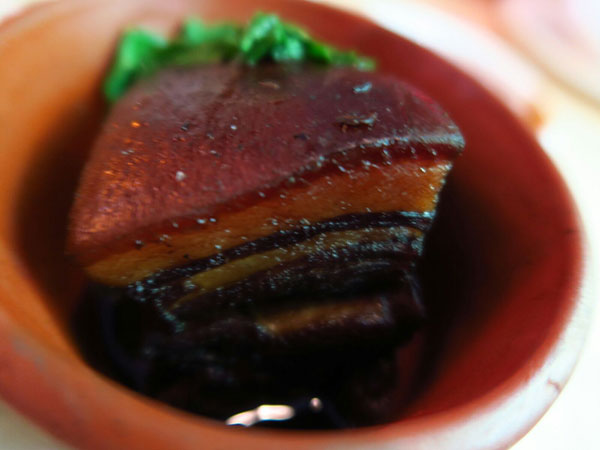
Slow-braised pork belly is glossy, sweet-savory and rich. A small portion is designed to be shared with lighter dishes.
West Lake fish in vinegar gravy
This Hangzhou specialty balances freshwater fish with a sweet-sour sauce; diners should expect bones.
Longjing shrimp
Tender shrimp are paired with Longjing tea leaves for fragrance rather than strong tea bitterness.
Connect food with place: tea villages and markets explain ingredients better than a list of “must-eat” dishes detached from Hangzhou.
Fujian's coastal and mountain geography supports seafood, mushrooms, fermented ingredients and carefully developed soups; Fuzhou, southern Fujian and western Fujian have distinct styles. Buddha Jumps Over the Wall
This elaborate banquet soup exists in many versions and may include numerous animal and seafood ingredients. It requires careful allergy and dietary checks.
Fuzhou fish balls
Elastic fish paste surrounds a filling in many traditional versions. Ask whether pork or another meat is inside.
Oyster omelet
Oysters, egg and starch create a soft, chewy texture familiar in Fujian and Taiwan-linked food traditions.
Seafood freshness, species and price should be confirmed before ordering. A display tank does not remove the need to ask the cooking method and weight.
Shandong cuisine has influenced northern banquet cooking through broths, seafood, wheat foods and strong savory techniques. Coastal Jiaodong and inland Jinan traditions differ. Braised sea cucumber
A luxury-textured seafood dish built around sauce and broth; it may be expensive and should be ordered only after confirming price and portion.
Sweet-and-sour Yellow River carp
The fish is scored, fried and sauced for a dramatic shared presentation. Expect bones and verify whether the named fish is available.
Scallion-braised dishes
Shandong scallions and aromatic oil can define meat or seafood preparations without relying on heavy chili.
Northern wheat staples—dumplings, buns and noodles—make a useful counterpoint to banquet dishes and may be a better everyday introduction.
Xinjiang food reflects Uyghur and other regional traditions, oasis agriculture, wheat, lamb, dairy, fruit and Central Asian connections. It should not be collapsed into one kebab stereotype. Lamb skewers
Cumin-seasoned lamb is grilled over heat; fat level and portion vary. Choose a busy, reputable stall and eat the meat fully cooked.
Laghman noodles
Hand-pulled noodles are served with a savory vegetable-and-meat topping. They demonstrate wheat culture and are usually substantial.
Polu
Rice cooked with lamb, carrot and oil is a communal staple in many settings. Vegetarian versions should be confirmed rather than assumed.
Respect halal practice where observed and ask before bringing outside food or alcohol. The China etiquette guide supports respectful dining, while China Tours can connect food regions into a workable route.

From $ 2498

From $ 23332100

From $ 22782050
Editorial accountability
Hu Lei, CEO. The named owner is responsible for travel-planning accuracy and escalation of time-sensitive checks.
Yuntian Travel (Yunnan) Group is identified in its corporate profile as a licensed professional inbound travel service provider based in Kunming, China. Registration and travel-service documents can be requested before booking.
Page-specific references where cited, official destination, transport and entry notices, YUNSKY route-planning records, and direct provider confirmation before a booking is finalized.
Content is reviewed when rules, transport, access, pricing or route conditions change. Final availability and operating details are reconfirmed for each traveler’s dates.
Quality review: Page updated: